


Amid the hubbub of people going about their daily lives in urban Portland neighborhoods these days, it’s tragically rare to not also notice people huddled in doorways, staggering across intersections or crumpled on the sidewalk in the throes of addiction.
A scourge that has always existed is now on display amid the city’s worsening homelessness crisis, and it has policymakers and everyday Portlanders scrambling to answer basic, deeply vexing questions: How did we get here and, truly, how can we help?
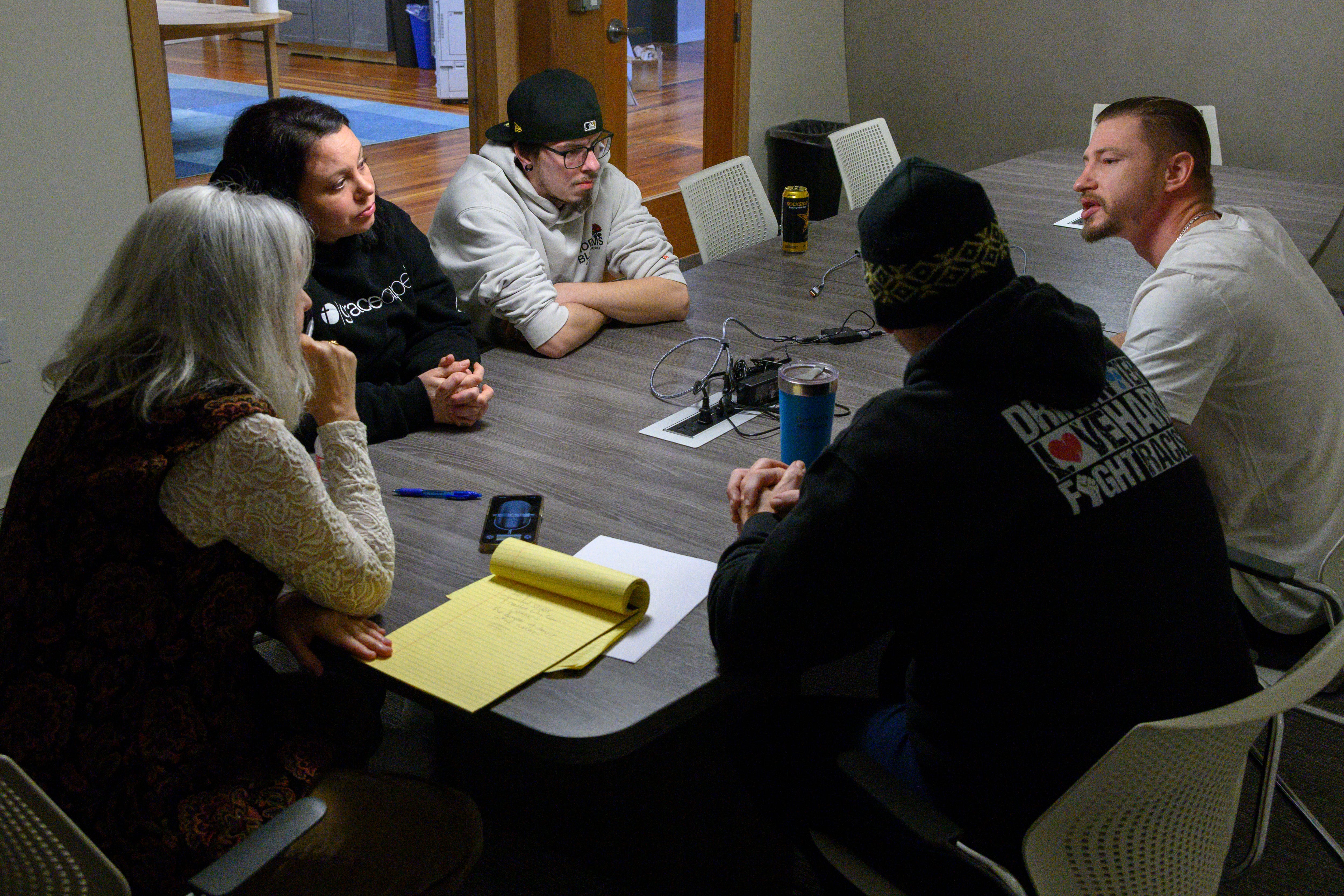
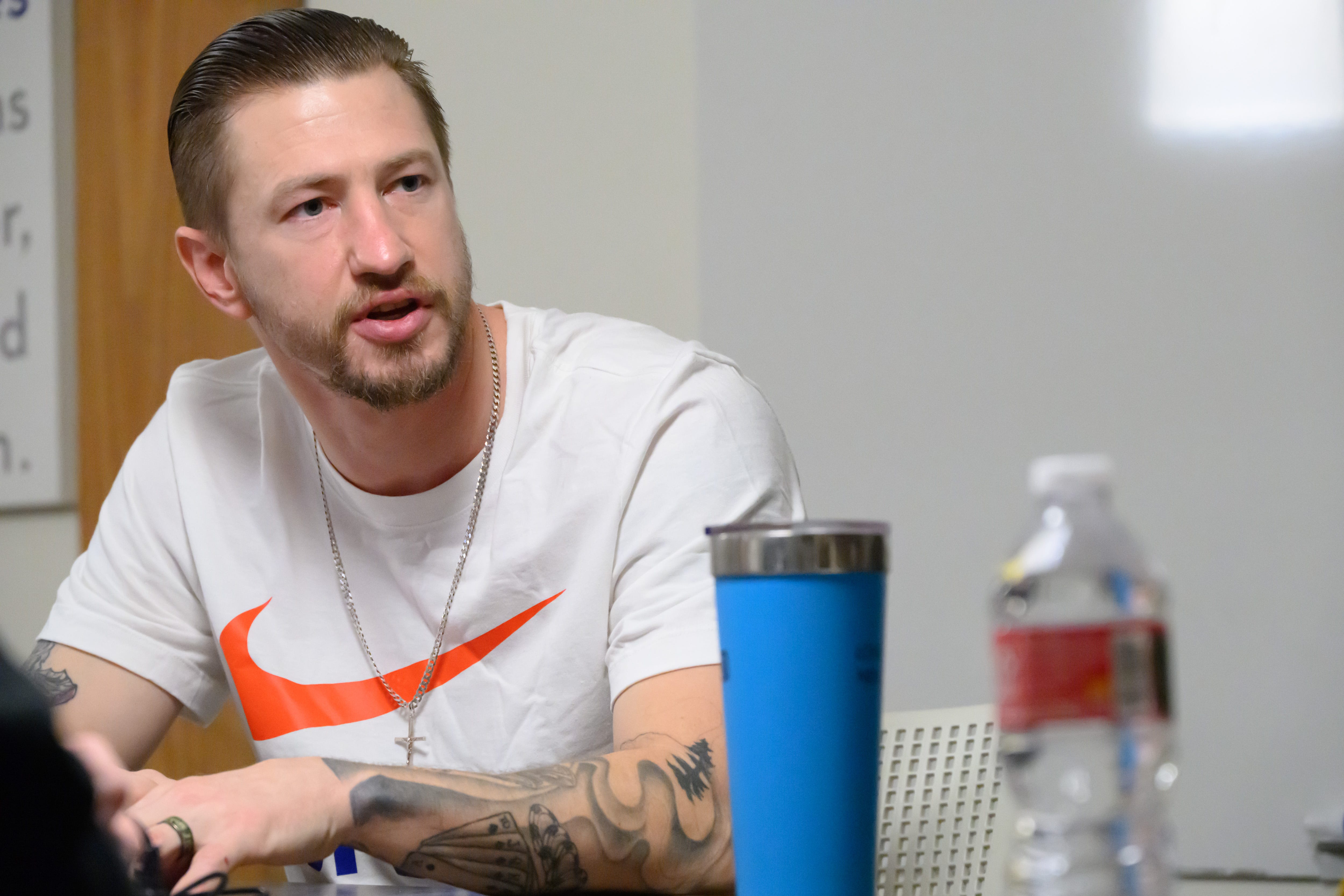
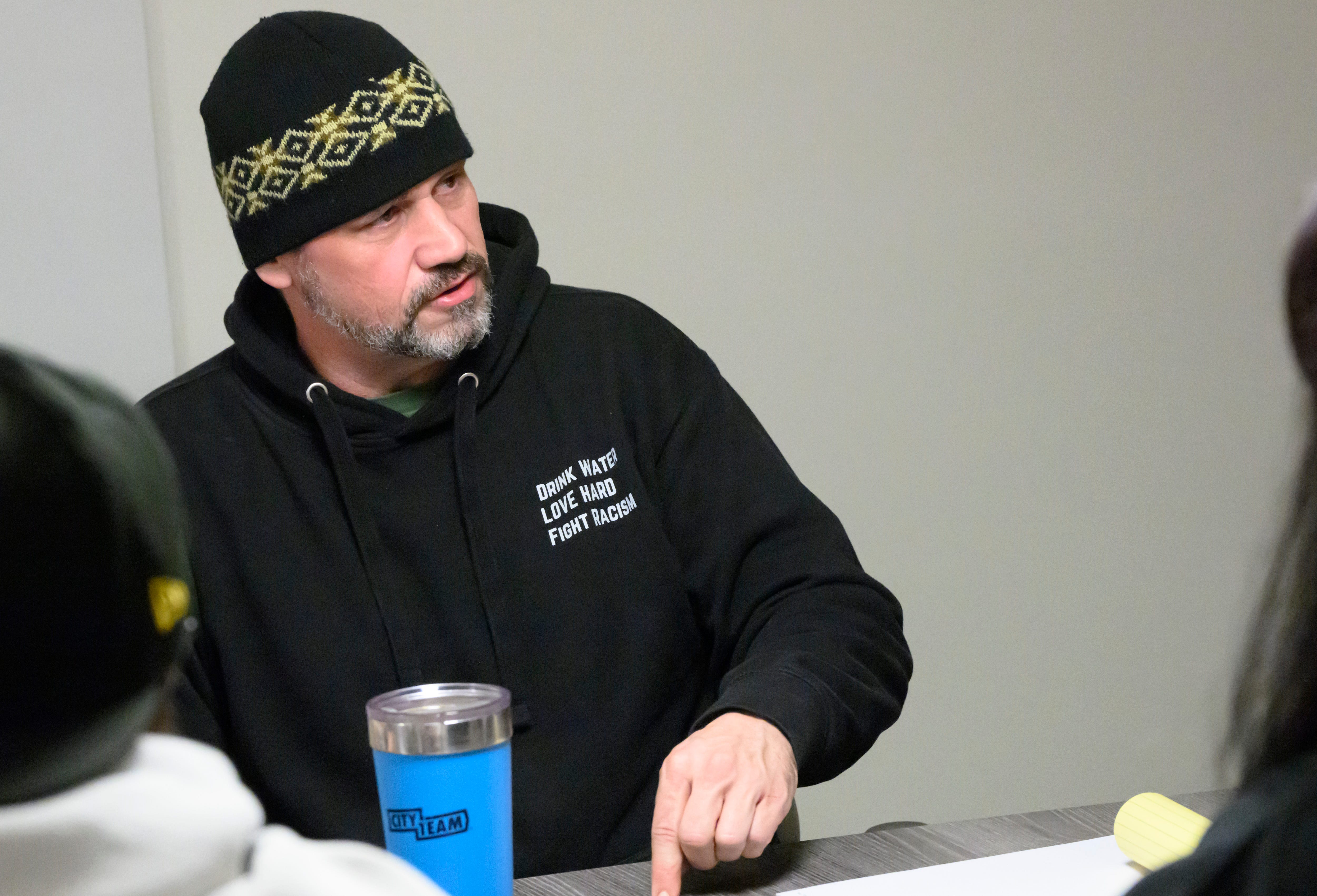
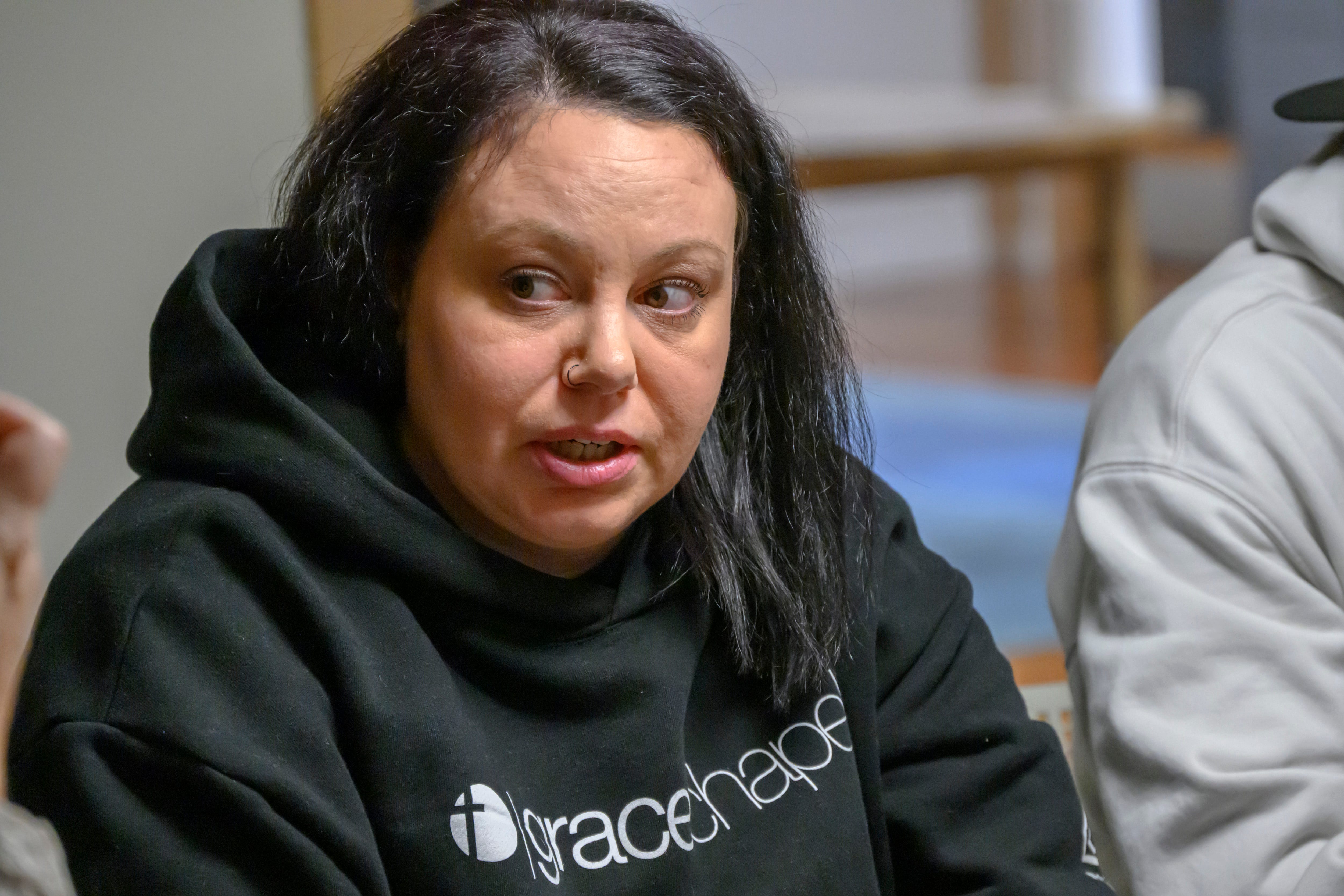
Shantelle Wood, 37, Randall Krueger, 27, James Kahoe, 36, and Donald “Wayne” Brown, 45, have some answers. All are clean and sober after devastating years abusing drugs and/or alcohol. The men live at CityTeam Portland, a residential treatment program in Old Town. Wood lives at CityTeam’s women’s program, Community of Hope in North Portland, and attends outpatient treatment.
In other words: they’re experts.
Invited by the NW Examiner to share their thoughts on how to turn the tide, they were all too willing.
“Even people that are as far gone as myself can change and get better and enter back into society as somebody who now can take what they have been through in their life to help other people,” James Kahoe said. “I’ll take any opportunity I get to share my story.”
The following ideas are culled from Shantelle, Randall, James and Wayne’s insights:
It starts at the beginning
Most people become addicted to escape painful experiences, past or present.
A more robust mental health system (integrated into schools, workplaces, community centers and places of worship for youth and adults and including affordable, easy to obtain insurance coverage) could help more people learn to cope without self-medicating.
“We have an entire broken system that’s what leads to the criminality of drug addiction and drug abuse.” –Wayne Brown
“All I ever wanted to do was mask or escape. … I didn’t know how to cope.” –James Kahoe
From complacency to possibility
Addicts often talk about having to hit bottom before they will seek treatment. It’s when the downsides finally outweigh the upsides. The key is to have options for treatment ready when the person is—easy-to-find and easy-to-navigate pathways that individuals themselves or their advocates or loved ones can readily access.
“I 100% had the mentality that I was perfectly OK if I died using drugs… I had just come to accept that living in a town, selling and using drugs was my life, and I was OK with that.” —Randall Krueger
“Some people’s bottom would be going to jail or losing their kids or their house. The bottom looks different for every single human being.” —Wayne Brown
Seize the moment
Jail stays need to be long enough for people to sober up and be ready to consider treatment, which is a challenge in a crowded jail like Multnomah County, where there’s pressure to free up space for people coming in.
Regardless, services need to be fully integrated into jails so that people have a clear path straight into treatment—not a referral that they have to follow up on after they get out. (Homeless shelters, hospitals, schools and workplaces should build similar funnels.)
“I finally spent a month and a half in jail (instead of just two weeks) ... and I was just like, ‘I’m ready,’” said Shantelle Wood, who did time in Wasco County Jail in The Dalles and experienced the benefits of being in jail in a smaller community. “The fact that they actually brought resources into the jail and sat with us Monday, Wednesdays and Fridays, through groups and relapse prevention planning. … There’s a lot more resources in Portland, but you have to know how to use them and you have to want to use them.”
“Jail can be a great motivator (for treatment). It was my motivator. But at the same time, it can’t be the sole purpose of motivation to get out of your trouble. Everything is ground to start, and then it’s what’s poured into them.” —Wayne Brown
A clear choice
Depending on the severity of the crime, treatment in lieu of jail or other punishment should always be an option.
“The gentleman that ran the rehab back in Kentucky, he told me that if I stayed there and did what I was supposed to do, he would keep me out of jail … so I stayed there.” —Wayne Brown
“But even when they come in from a legal standpoint (requiring treatment to avoid punishment), the door (at the treatment program) isn’t locked from the inside. You’re able to leave whenever you want—so if you want what is offered to you, you stay, and then it’s the staff being really good at their jobs. They leave the space and the opportunity for the brotherhood and the sisterhood, the community of hope to be the driving force to bring that change ... “because this is a disease that is centered upon self.” —Wayne Brown
The right help
When offering treatment, advocates or providers need to lead with respect, compassion and understanding, provide clear information about what’s involved and what to expect in the program, and make a case for why it’s worth it.
“It’s scary for people when they first want to get clean and sober. It’s like they don’t know who to ask and they don’t know what to do. We need more people wanting to help us — not judging us.” —Shantelle Wood
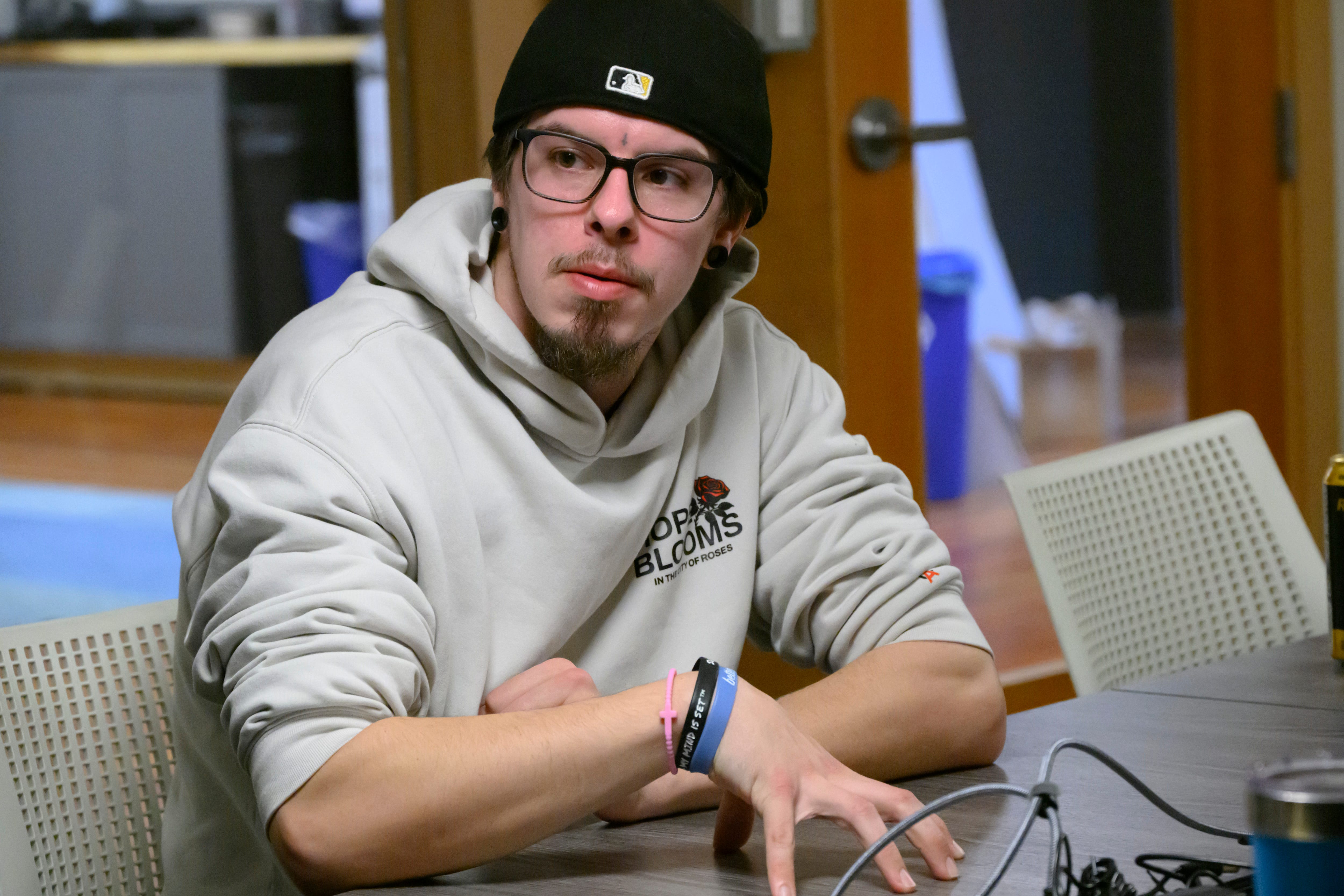
“It’s when a man climbed into that pit with me and said, ‘Let’s get out together,’ that I was able to … step out of it.” —Wayne Brown
Peer support
For addicts trying to get clean, there is nothing more credible or convincing than treatment staff who are themselves recovering addicts.
“April is my program manager at Community of Hope. Knowing that she came from being an addict too and just seeing, like, hey, I want what she’s got.” —Shantelle Wood
The power of acceptance
The best treatment programs are also strong and welcoming communities.
“For me, I’ve longed to be accepted by people and the only way I felt accepted was if I sold drugs for you or if I robbed for you. Coming to this place, they meet you with open arms. You start feeling loved.” —Randall Krueger
“CityTeam and Community of Hope, 100% make you feel loved everyday.” — Shantelle Wood
Doing it with friends
It’s not always possible for couples or friends to enter treatment at the same time, but it can certainly help.
“I was stressed and worried about what (my girlfriend) was doing out there while I was clean, but once she went and got clean, it was easier for me.” —Randall Krueger
Residential vs. outpatient — long stays vs. short
Recovery often requires separating entirely from the environment that’s intertwined with one’s addiction.
James Kahoe said he graduated from nine outpatient treatment programs through parole and probation; he just knew how to fake it until he made it through and then kept using. James, Wayne and Randall said the residential men’s program at CityTeam was what they needed to get clean. Shantelle said that being in sober, transitional housing at the Community of Hope and having direct access to outpatient treatment is working for her.
“The length of time in the program is what gives someone the best fighting chance.” —Wayne Brown
“Hands down, there’s no outpatient treatment out there that’s going to give you what inpatient treatment will give you.” —James Kahoe
A sense of purpose
CityTeam and many other programs connect participants with jobs, providing a sense of purpose, direction, income and fulfillment.
“I wouldn’t quit my day job. I work for a company that does tiny homes for the homeless community.” —Randall Krueger
Holistic services
Recovery isn’t just about detoxing and learning to live without drugs or alcohol. It’s about restoring relationships, and it’s about getting your license back, sorting out your debts, clearing your criminal record. Everyone from the DMV to credit agencies needs to partner with treatment programs to help people straighten out their lives so that the stress of the mess doesn’t send them back to using.
“Before I was even 18, I was using drugs, spiraling harder and harder, in and out of jail, on probation my entire life. Thanks to this program, I’m finally off paper.” —James Kahoe
“Recovery is about three things: mind, body and spirit.” —Wayne Brown
How to be an ally
Sometimes it takes tough love—friends and family distancing themselves (or even the state taking a person’s kids away)—to get them into treatment. But when they’re ready for help, stepping back in with love and support can be essential.
“My mom just dropped me off at rehab and left. I felt like a kid at daycare. Like I was an issue. … So, five months later, I left rehab, went out and started getting high again,” said Randall Krueger, who rejoined rehab at CityTeam because he realized the love he felt there, and he wanted it back. “I called my mom from jail and I said, ‘I want to go home.’ She said, ‘You can’t come live here.’ And I said, ‘No, I want to go back to CityTeam.’”
“When everything falls apart, it’s someone being able to say, ‘Hey, I’m still here for you. I know of a program… why don’t you just come in.” —James Kahoe
Accountability with forgiveness
A key component of successful treatment programs is helping people learn to be accountable for their actions without being ashamed.
“As addicts, we need to hold ourselves accountable, but we also need to understand that our past does not define us.” —Shantelle Wood
Ending with encouragement
“If we just get the necessary tools in our belts, we can work through it. It’s going to be rough for the first year … and I’m still dealing with a lot of pain, but I know that every day is getting better.” —Shantelle Wood
This is a very good article focused on the experiences of those suffering from addiction and ways that they found recovery.
Did Ms. Barnett ask: how much did it cost to save these people? Who paid the bill? How many full-time jobs were necessary to house, feed, counsel, and support these people? And have any of these people given back any compensation to the state or nonprofits who helped them? Are they currently employed; do they pay taxes?
Be nice to know.