


The streetcar that rumbles and clanks its way through Northwest Portland is run by a man of deep faith, love and strength. He operates the roughly 33-ton Portland streetcar, but his real superpower is his capacity for forgiveness.
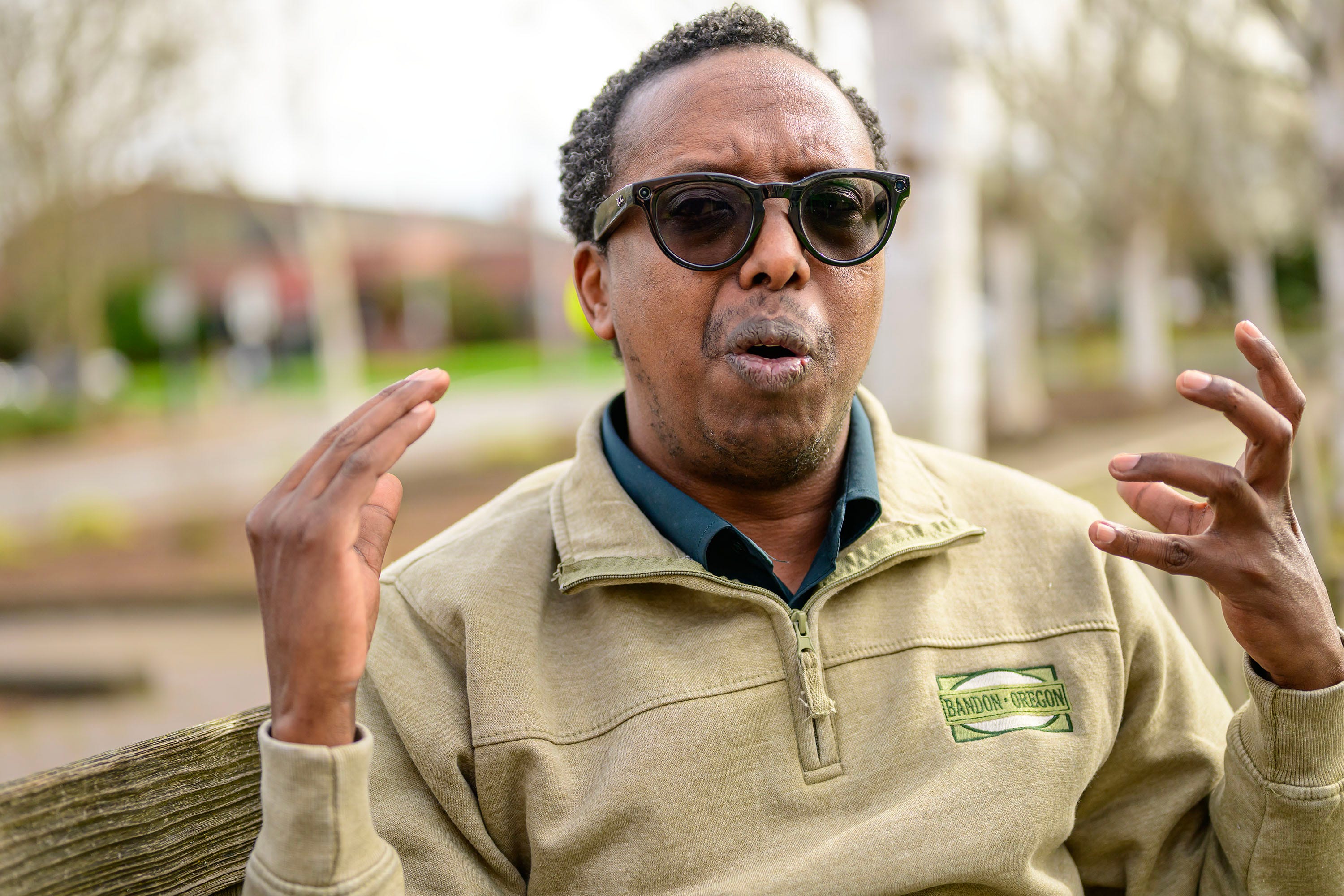
His name is Emmanuel Turaturanye. He is a refugee from Rwanda, and the atrocities he lived through there are unspeakable. Turaturanye is one of only three people in his family to survive the 1994 Rwandan genocide. More than 100 members of his family were killed.
I met Turaturanye in Beaverton, where he now lives. He emigrated to Oregon 11 years ago and is now a U.S. citizen.
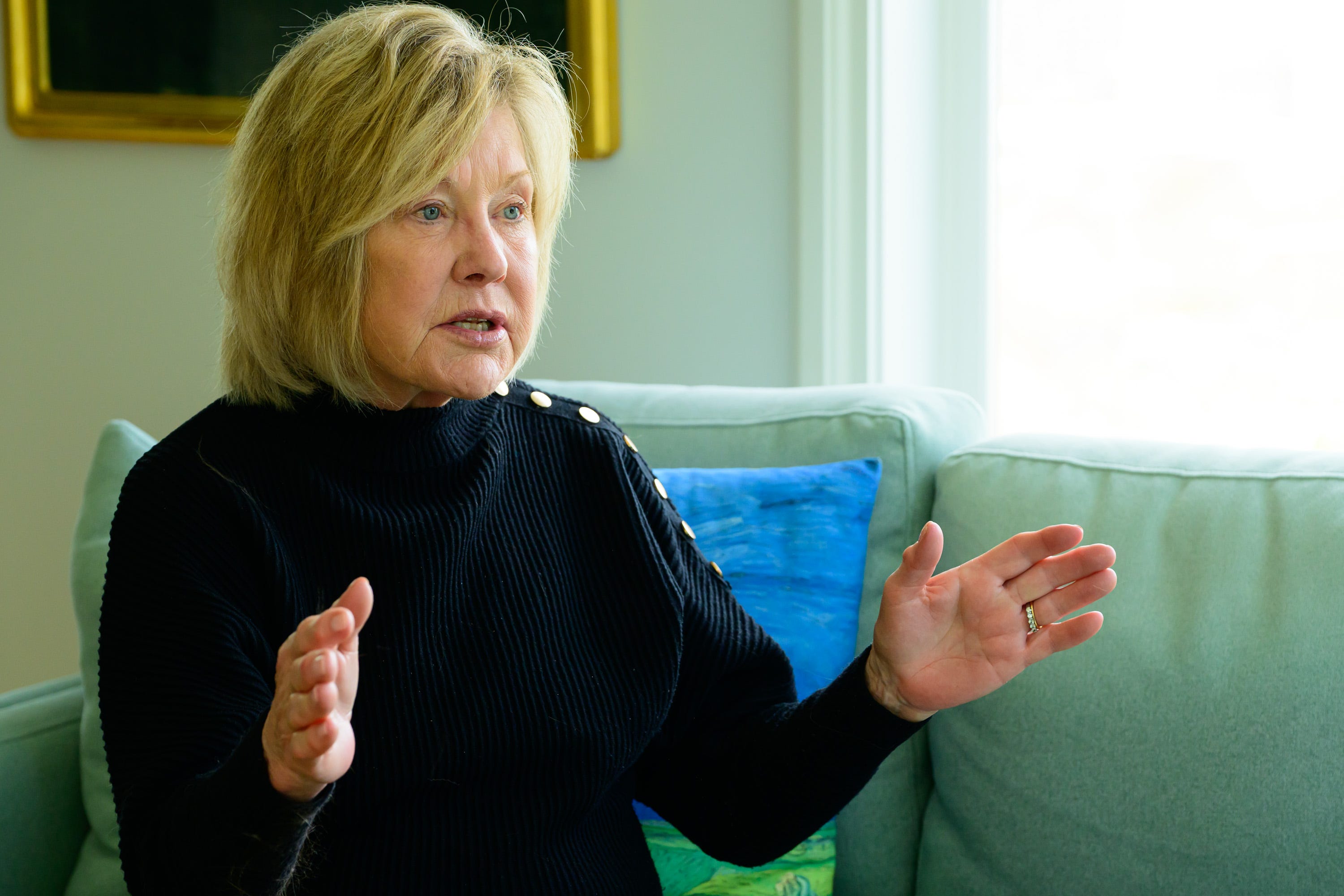
I learned about Turaturanye while reading a remarkable book called “I Lived To Tell The World,” by Northwest Portland author Elizabeth Mehren. The award-winning journalist for The Washington Post and L.A. Times interviewed Turaturanye and 14 other refugees who now call Oregon home. They are survivors of some of the 20th and 21st centuries’ worst examples of man’s inhumanity to man.
The title of the book actually comes from Turaturanye himself, who struggled to understand why he survived and his family and friends were butchered and burned alive. “I lived to tell the world,” he told Mehren.
Mehren talked to Oregon immigrants who survived the Holocaust, the Killing Fields, Saddam Hussein and other tyrants or forms of oppression. They came from Hungary, Vietnam, Cambodia, Bosnia, Sarajevo, Rwanda, Iraq, Syria, South Sudan, Myanmar and Gaza. Each place name belies the phrase “never again.” Unfortunately, history has repeated itself.

Mehren did not set out to write this book. She set out only to interview these men and women for a Portland-based nonprofit called The Immigrant Story, which documents the stories of immigrants in Oregon.
It was the stories of those who escaped brutality in their homelands that compelled Mehren to write “I Lived To Tell The World.” As she says, the book found her: “I was so impressed with the clear-eyed nature of their experiences, the way they described their experiences. There was no anger, there was no bitterness, there was no poor me, self-pity, nothing. And they were telling the story because the story needed to be told.”
Mehren discovered something else. Despite the unthinkable horrors that the subjects of her book survived, including forced labor, torture and imprisonment, they all managed to live productive and purposeful lives in Oregon. Emigrating to a new country, speaking a new language, fitting into a new culture, going to an American school or launching a new career, setting down roots and raising a family was fraught with hardships, sacrifices and perils.
They did not forget their pasts, Mehren said, but they did not let their pasts define the rest of their lives either. She is amazed by their accomplishments and optimism. Perhaps because — after all they’d been through — what could get worse?
Mehren puts the horrors in context.
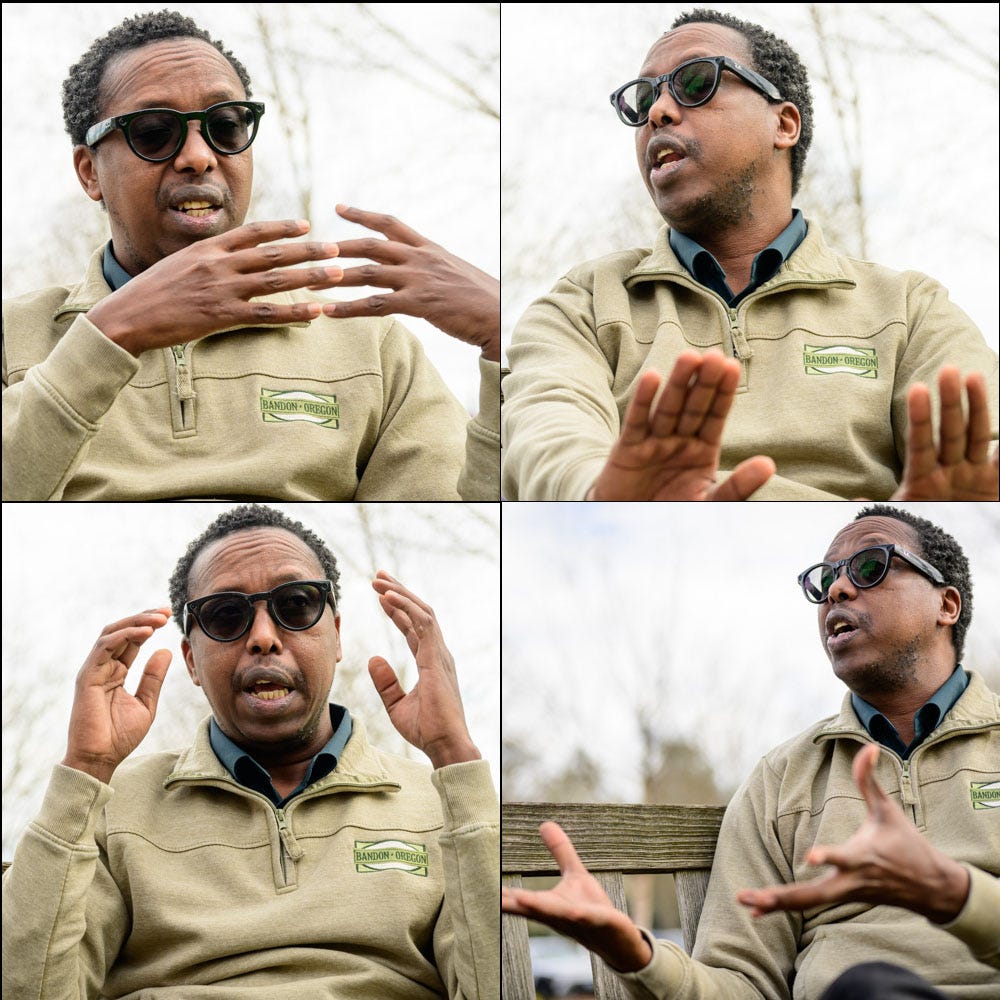
Turaturanye was 15 when the Hutu tribal members massacred his Tutsi family and friends. An estimated 500,000 - 800,000 Tutsis were killed during the 100-day Rwandan genocide, a murder rate even faster than the Nazis during World War II.
“Going through that really destroyed me, destroyed everything,” Turaturanye said. “I went through a lot of trauma. I did a lot of trauma therapy and all that kind of stuff because it was really hard.
“I remember spending years without sleeping. Just go to bed and then you can’t even sleep because as soon as you close your eyes, you just see people chasing you with machetes. So I had to find help because I almost took my own life because I thought, why? What’s the reason of my even living? What’s the reason of my existing?”
Trauma counseling helped. So did his deep Christian faith. His late father’s lessons of respect, caring and forgiveness also helped him recover. Turatanye worked to forgive, so much so that when he married in his village, he invited not only his Tutsi neighbors but his Hutu neighbors as well, even though some could have been involved in the genocide.
Turaturanye wanted to be part of Mehren’s book to educate his fellow Oregonians about the Rwandan genocide, and “not just look at it, because silence means complicity … Every human deserves to be loved, respected and honored,” he said. “No matter where they come from, no matter language, religious, belief, whatever that, it’s just — treat someone as a human.”
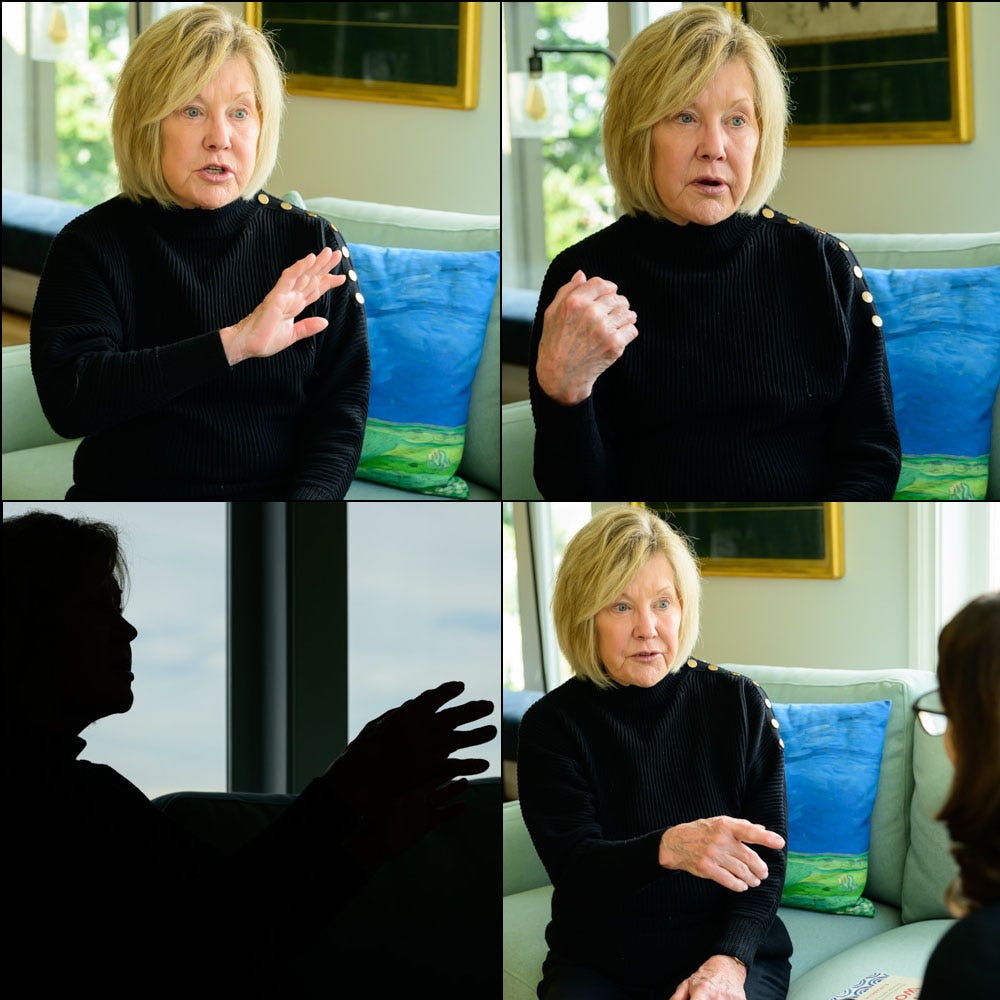
And in reporting stories that tell the worst of mankind, Mehren also finds the best — the kindness of neighbors and strangers. A Hutu family, at great risk to themselves, hid Turaturanye. A Portland school teacher helped a refugee from the Khmer Rouge learn a new profession. A farmer guided Hungarian refugees to safety.
Mehren is inspired by what she has learned from these refugees about the human spirit: fortitude, faith, fearlessness, perspective and resilience. And gratitude. These men and women now pay it forward in their Oregon communities. She writes that it might help us all to think about these refugees as we wrestle with our own struggles.
“I Lived To Tell The World” was published two years ago, but the book keeps gaining new readers. Mehren believes it’s due to the backlash against President Donald Trump’s slurs toward immigrants and his administration’s mass deportations.
In Kinyarwanda (Turaturanye’s native language), the word “turaturanye” means neighbor. In telling stories of refugees living in Oregon, Mehren hopes readers recognize their neighbors — like the man who operates the streetcar you ride, who is so much more than he seems.
“I Lived To Tell The World” is available at Powell’s bookstore.

Very inspiring to hear about people surviving and thriving despite witnessing and experiencing such unfathomable brutality! I'm not sure I could have done that.