


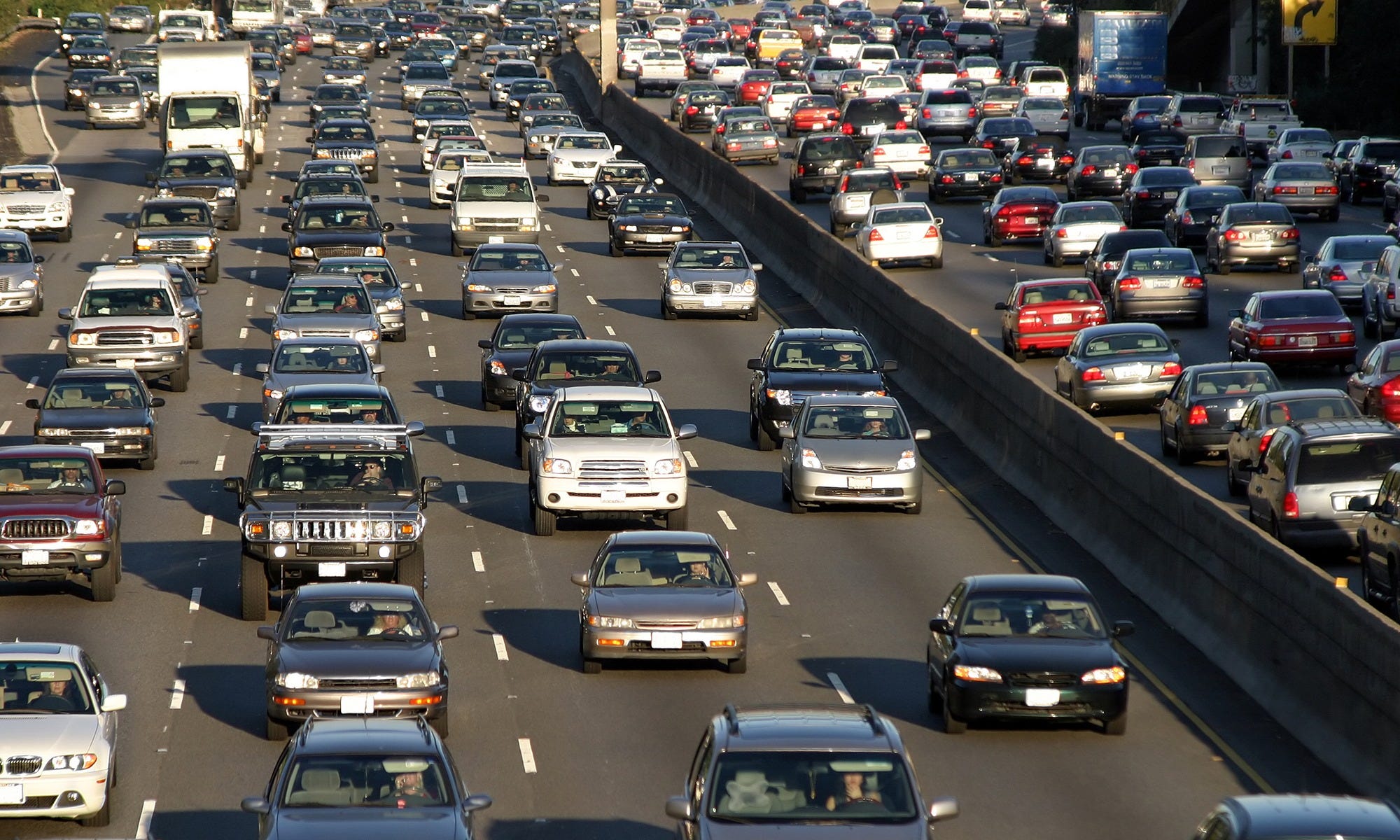
Sooner than most cities, Portland grasped the transportation paradox known as induced demand, sometimes stated as, “You can’t build your way out of traffic congestion.”
Road-building zealot Robert Moses defied all limits in erecting bridges and running parkways through New York City in the mid-20th century, yet every massive project just bred more traffic and congestion. For decades, the press and public accepted his diagnosis that the solution lay in constructing the next grand bridge or throughway.
Moses was a true believer in this approach, which uncoincidentally expanded his political power and financial hold over the city. He controlled public authorities that collected tolls from every driver, and those authorities could not be retired as long as he issued more bonds for additional infrastructure.
By the 1960s, transportation scholars caught up with the game and demonstrated why new roadways compounded the problem they were intended to relieve: They caused more people to drive. New Yorkers filled the new lanes like water running downhill.
It didn’t help that Moses pooh-poohed every alternative to automobiles. He let the subways and mass transit decline and become so unreliable and uncomfortable that most commuters were forced to drive.
Moses visited Portland in 1943 and imparted this vision on the Rose City—an auto-centric plan that included Interstate 405, the Harbor Drive Expressway and the Mount Hood Freeway. We built the first, installed and later removed the second, and rejected the third. More importantly, we developed comprehensive plans that emphasized alternative transportation and preserving livability. Avoiding auto trips became our north star.
We can argue about whether we’ve struck the right balance, but our plans now account for the reality of induced demand.
How long will it take us to recognize that induced demand also pertains to the “freeway” of social services for addicts, mental illness sufferers and others unable to live independently in our city? Provide the path of least resistance to those incapable of acting in their best long-term interests, and they will flow toward it.
Like Robert Moses, advocates of expanding social services to all in need will see evidence that increasing the supply is the only answer. Also like Robert Moses, this path paves their personal security and that of the institutions they represent, not to mention their political hold over their party. Their pitch for public donations and government dollars is buttressed by data on the ever-expanding consumption of their services. Meals served, tents distributed and supplies handed out have been the metric to measure accomplishment.
Eventually, Moses lost political standing as the horrific growth of New York City auto trips overwhelmed the assurances he had been making since the 1930s. In 2018, the same city became the first in America to limit private auto access to its downtown.
When will Portland realize that the spiraling demand for addiction, mental health and homeless services has something to do with how we supply it?
We may be inducing that demand by no-questions-asked provision of the things this population seeks. What became of a social contract to provide immediate services to those in need, in return for their enrollment in a program of recovery and independence? Without such a figurative contract, an overwhelming share of recipients take what they can get at the moment and opt out of further engagement.
How will we know if we have been inducing demand and compounding the problem we seek to solve? Studies asking where aid recipients came from abound; most of them superficial and few persuasive because they have reflected the assumptions of the parties commissioning them.
The test is on the streets. Is our city becoming cleaner and safer?
The impending closure of the Northrup Street Shelter and the River District Navigation Center will eliminate about 300 shelter beds in the Pearl District later this year. If we do not see a corresponding increase in the number of people living outdoors, that suggests our past practices have induced demand. If the number actually goes down, I would take that as more than a suggestion.
My wife and I love birds. We have a treed lot and they fly happily amongst them. Two plus years ago, I bought her a large bird feeder for Christmas. Boy did the birds come. We noticed intense competition for the feeder, birds fighting for position on the feeder. And fighting themselves. And bird strikes happening on our picture windows, which never happened before.
Taking care of the feeder was work, the birds make quite a mess. Then we started getting rats and mice in our garage, which before had never happened. A pest control specialist clearly stated it was the feeder. We removed the feeder and it took approx six months for the problems to abate. Now the birds happily fly in our trees, grabbing insects themselves off of the moss and lichen. Sometimes the solution causes the problem.
A middle way has merit, and I support shelter, food, but also mandatory abstinence in secure facilities for 45 days for those who have near death overdoses, jail time for those who violate public laws ie camping on the street, public intoxication, drug possession, and drug use in public. I think punishment for crimes such as those, and then civil commitment for up to six weeks in local psych units associate with hospitals. You can ignore severe mental health, but it comes back on the community which is what Portland is experiencing. And for all our sakes, let's stop distributing needles to people with addictions. It facilitates their drug use and leads to more death. It also normalizes the drug culture.