


Fifteen years ago, Portland’s development agency fumbled a prime opportunity to redevelop the five-acre Centennial Mills site. Nothing as promising ever arose again.
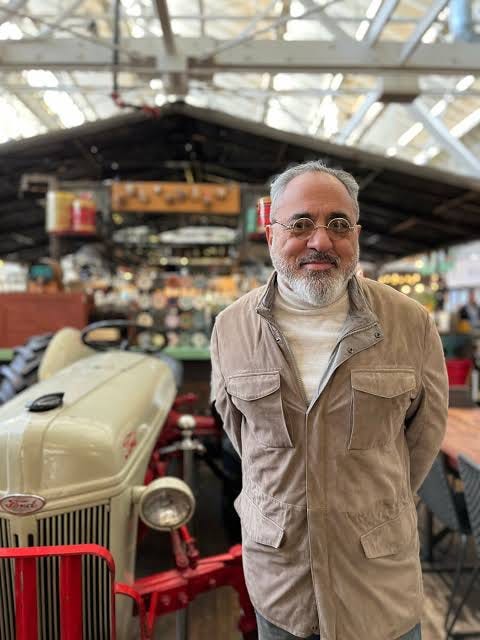
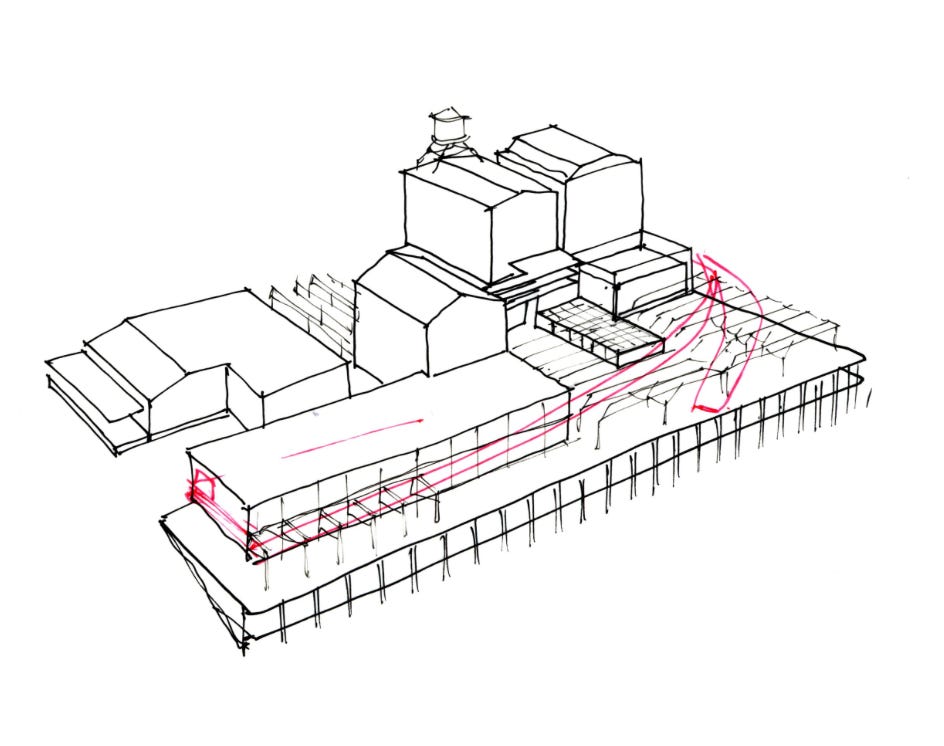
The vision of California-based developer Shaheen Sadeghi and his LAB Holding LLC was called SEED, for social entrepreneurship, engagement and development. It was selected over two other out-of-state contenders in 2008 and was moving toward a final development agreement.
His team included the architect behind Minneapolis’ Mill City Museum, the ruins of a 19th-century mill in the heart of the city that became the magnet for a wider urban renaissance.
“Our winning design was not crafted in isolation; it evolved through an extensive series of community and neighborhood meetings,” Sadeghi said.
The Pearl District Neighborhood Association was fully on board.
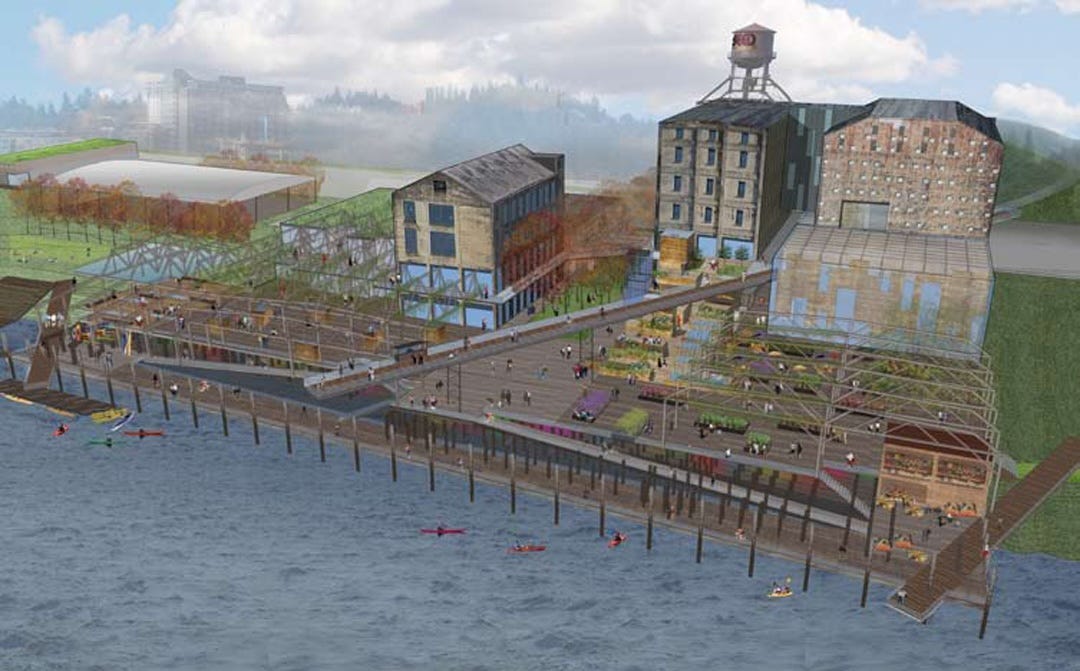
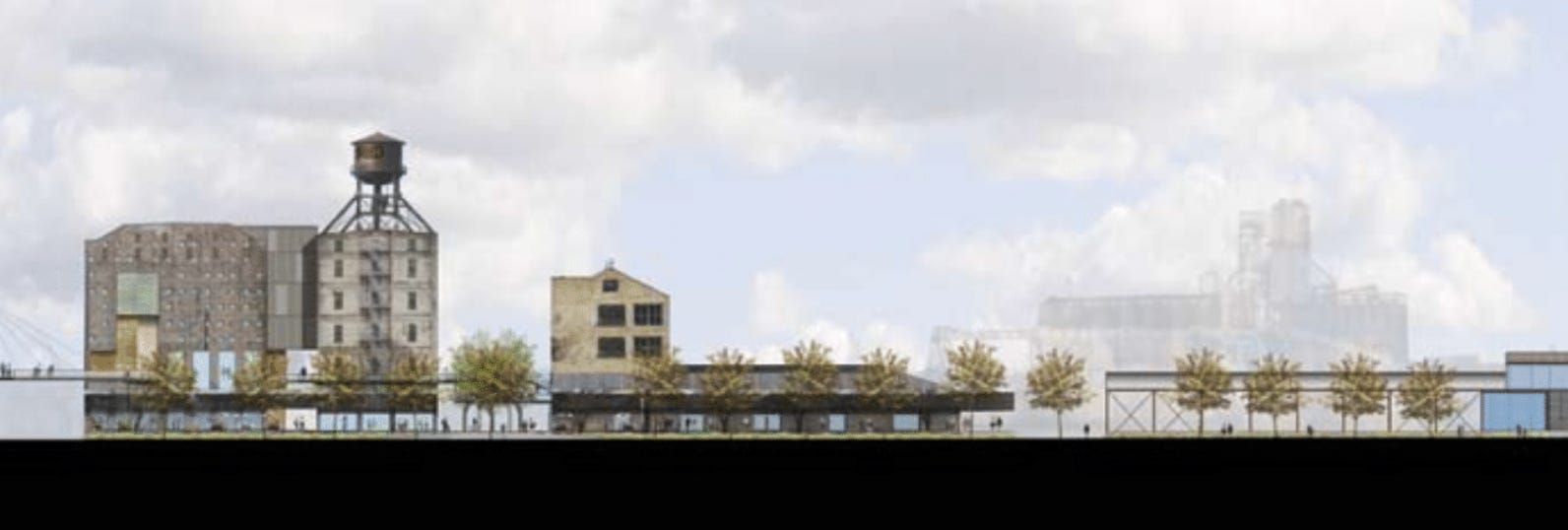
But Prosper Portland, then known as the Portland Development Commission, drastically changed the terms on Sadeghi at the eleventh hour. Instead of a winning design preserving the array of historic mill structures amid local food vendors and wide public spaces, the agency wanted office buildings and major companies.
Prosper Portland Executive Director Patrick Quinton said the proposal was too local, lacking in “regionally traded sector” industries.
“Why don’t you turn it into offices with a couple of food stalls at the bottom?” Sadeghi recalls Quinton suggesting.
Sadeghi was stunned. Four years devoted to a unique vision attuned to the time and place meant nothing. “I was so flabbergasted I walked out,” he said.
“The selection panel had chosen our concept, reflecting the progressive vision of the city leadership at that time, before the direction shifted.”
Sadeghi eventually extracted a settlement from Prosper Portland and took what he had learned to his home in Orange County, where they helped establish a city identity. His team created the Anaheim Packing District, anchored by the restored 1919 Sunkist Orange packing warehouse—which had sat vacant for three decades—and the adjacent 1920s Packard automotive showroom.
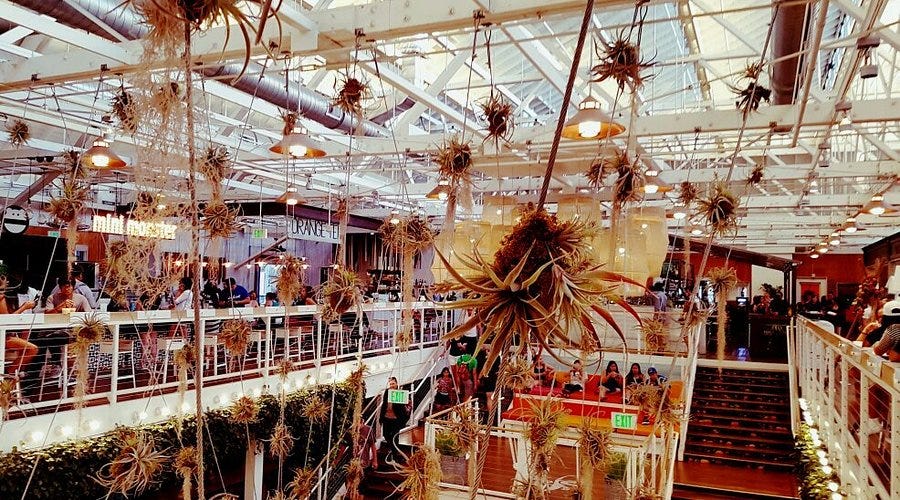
The parallels to Centennial Mills were inescapable. A private park was developed on a site formerly used to stable police horses, which also happens to be the last activity on the Portland site. Two high-end restaurants face the park. A historic 1917 MAKE building now houses local craft breweries, a distillery and artisan wineries.
The Packing House project received five prestigious Gold Nugget Awards (the leading residential design competition in the nation), earned Developer of the Year honors and was selected as the top preservation project in California. It is protected from demolition by listing on the National Register of Historic Places, which was Sadeghi’s intent for Centennial Mills.
LAB Holding LLC has developed about 50 projects throughout Orange County. Ten of them are in Anaheim. All are centered on local food artisans, makers, craft breweries, distilleries and wineries—the essence of its Centennial Mills vision. None of the approximately 50 restaurants are chains, the core philosophy behind the Portland project.
Portland shut out
What did Portland get? A series of demolitions of the 12-building mill complex, beginning in 2015 and estimated to have cost about $19 million, not counting the elaborate takedown of the last Centennial Mills structure this month.
“The step-by-step destruction of the Centennial Mills complex is a tragic loss for preservation, riverfront open space and innovative commerce,” Thomas Meyer told the NW Examiner in the aftermath of the Aug. 2 fire. Now retired, Meyer was a principal founder of MS&R Architects of Minneapolis and part of Sadeghi’s Centennial Mills SEED project.
“The vision of the SEED project would have been a national landmark,” Meyer said.
National, perhaps, but in a very local way. LAB launched in the 1990s as a break from shopping mall conformity, built around independent shops drawing a younger crowd. LAB is an acronym for Little American Business.
A shadow of the SEED plan endures, on paper at least, in the James Beard Market, planned to begin reconstruction next year in the heart of downtown. The market was included in Sadeghi’s plan, but was then pulled into a proposed Morrison Bridgehead project that never came to be.
The market may have been a pawn of Melvin Park Companies, the developer of the bridgehead project and of Scott Andrews, who chaired Prosper Portland’s board at the time. Andrews was simultaneously president of Melvin Mark Properties, a division of MMC.
A 2012 NW Examiner story speculated that Andrews and his company did not want their venture to face competition from another major food-focused attraction less than a mile away. Andrews did not comment on that story.
Modest start
Prosper Portland bought the Centennial Mills property in 2000 with modest intentions to clear the land for a park. But Patty Gardner, a leader in the Pearl District Neighborhood Association for more than a decade, advanced the idea of saving and restoring the Centennial Mills complex as a public attraction, an idea that gained steam at City Hall. The 2008 design competition involving three national developers and a comprehensive community engagement process was poised to make the dream tangible.
“The whole thing to me is completely tragic on many levels,” Gardner told the Examiner. “Tragic does not even begin to describe it. … To say I’m bitter is fair.”
She blames leaders for pitting the SEED proposal against the James Beard Market and for lack of political vision.
“They decided you can only have one thing,” she said. “We could have had both.”
Portland also lost a visionary whose empire could just as well have been planted in the Rose City. Sadeghi had worked for Jantzen swimwear in its Northeast Sandy Boulevard office for 10 years.
“There was a quiet revolution with talented younger people going on in America. It was about localization and personalization. I thought Portland was in the forefront of that movement,” he said.
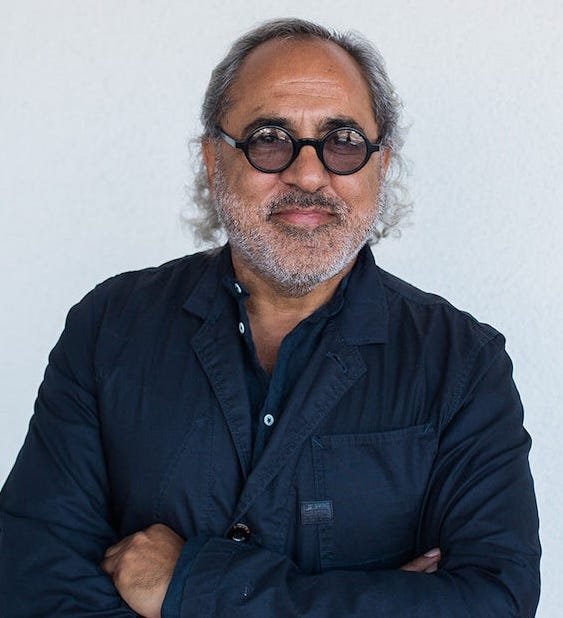
Portland’s loss was Anaheim’s gain.
“Shaheen’s a great developer, and what he’s done [in California] is terrific,” Gardner said. “He had so much energy.”
Prosper Portland turned down interview requests to summarize its history with Centennial Mills. Instead, it issued this statement:
“Prosper Portland engaged in serious conversations to sell the property to private developers on at least six separate occasions. In each instance, a combination of the existing conditions including site contamination and physical limitations, shifting leadership priorities, federal/state/utility/local site obligations and requests for significant additional public investments led to the decision by the developer to not purchase the property or for the agency to decline to move forward with the proposal.”
If the way Portland behaves now is any indicator, I'm not surprized that Portland wanted to court the shiniest of objects instead of the easiest, most logical, most relevant. What a waste and a shame.
So the question is whether City elected and appointed officials have learned anything constructive from this governance fiasco in terms of seeing the site developed in a responsible manner? And what is the culpability of former City officials in spending countless millions of dollars that we taxpayers dutifully paid from our earnings? Do they just walk off into the sunset free of any accountability?