


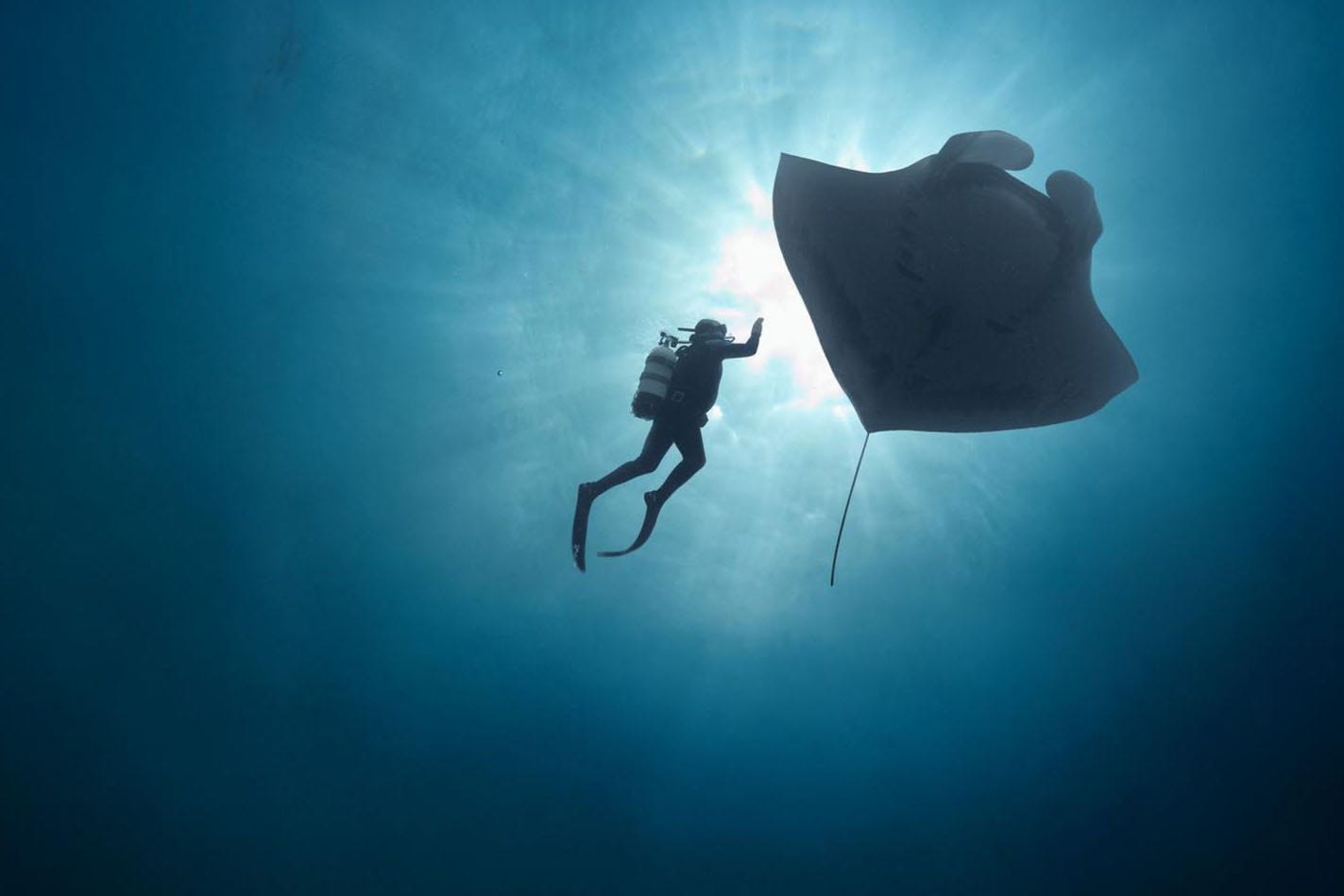
You will not be able to take your eyes away from the entrancing beauty of the watery world of manta rays that Oregon-based film director Cody Sheehy takes you to in “The Last Dive.”
You will also not be able to take your mind off the human subject of this film, Terry Kennedy. When a man tells you the best thing that ever happened to him was meeting a manta ray he named Willy, you wonder about that man, but you also want to meet him and the manta.
The film will be shown at Cinema 21 on Wednesday, Sept. 23, at 7 p.m. Following the screening, award-winning director Cody Sheehy will discuss the making of “The Last Dive.”
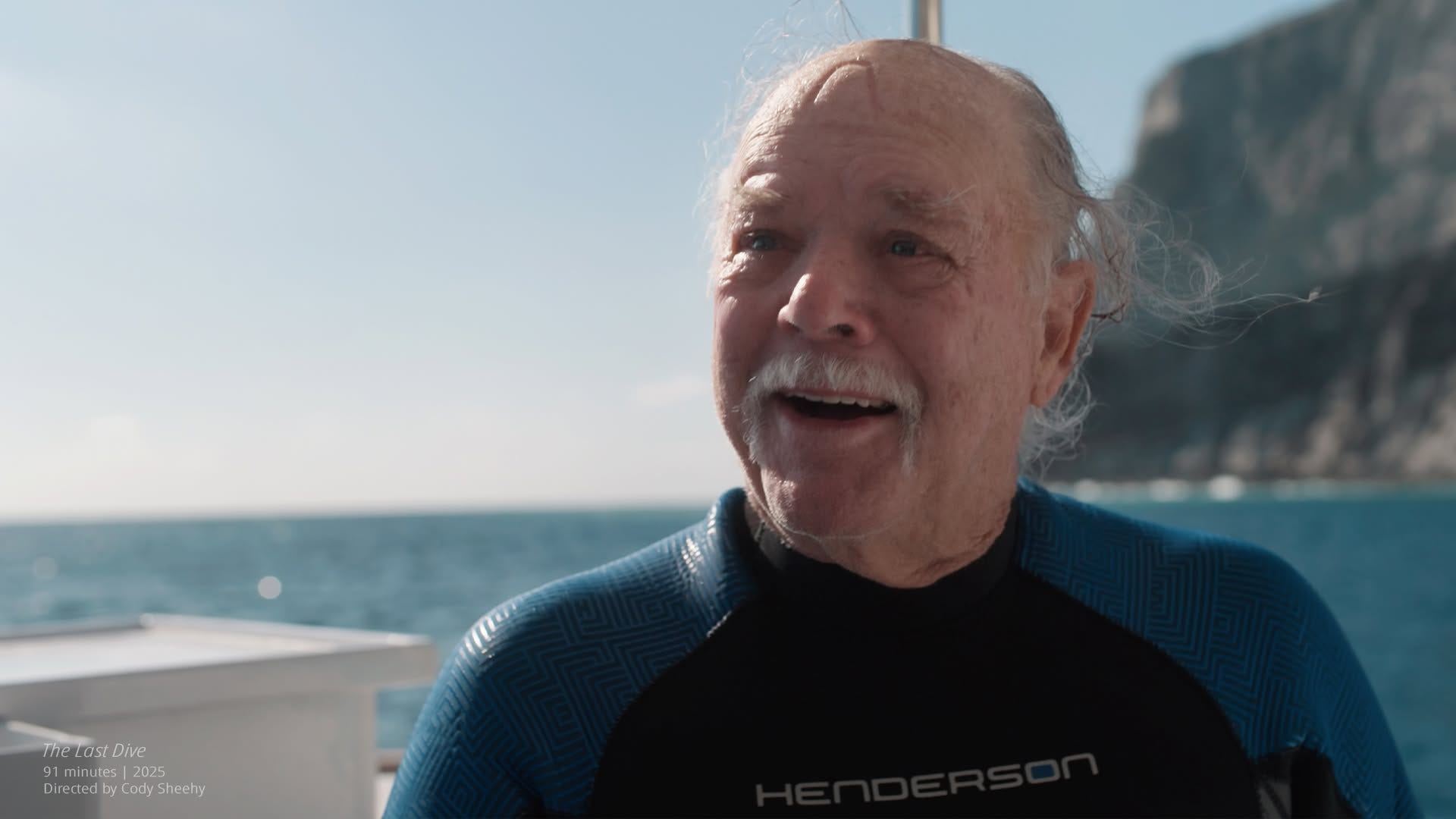
Terry Kennedy
He was a hell-raiser from the start. Growing up, Kennedy was in and out of juvenile detention. He joined the U.S. Navy and went to Vietnam. He was there in 1964 during the Gulf of Tonkin incident when the U.S. and the North Vietnamese naval forces first exchanged gunfire. That led to America’s hellish eight-year-long war in Vietnam.
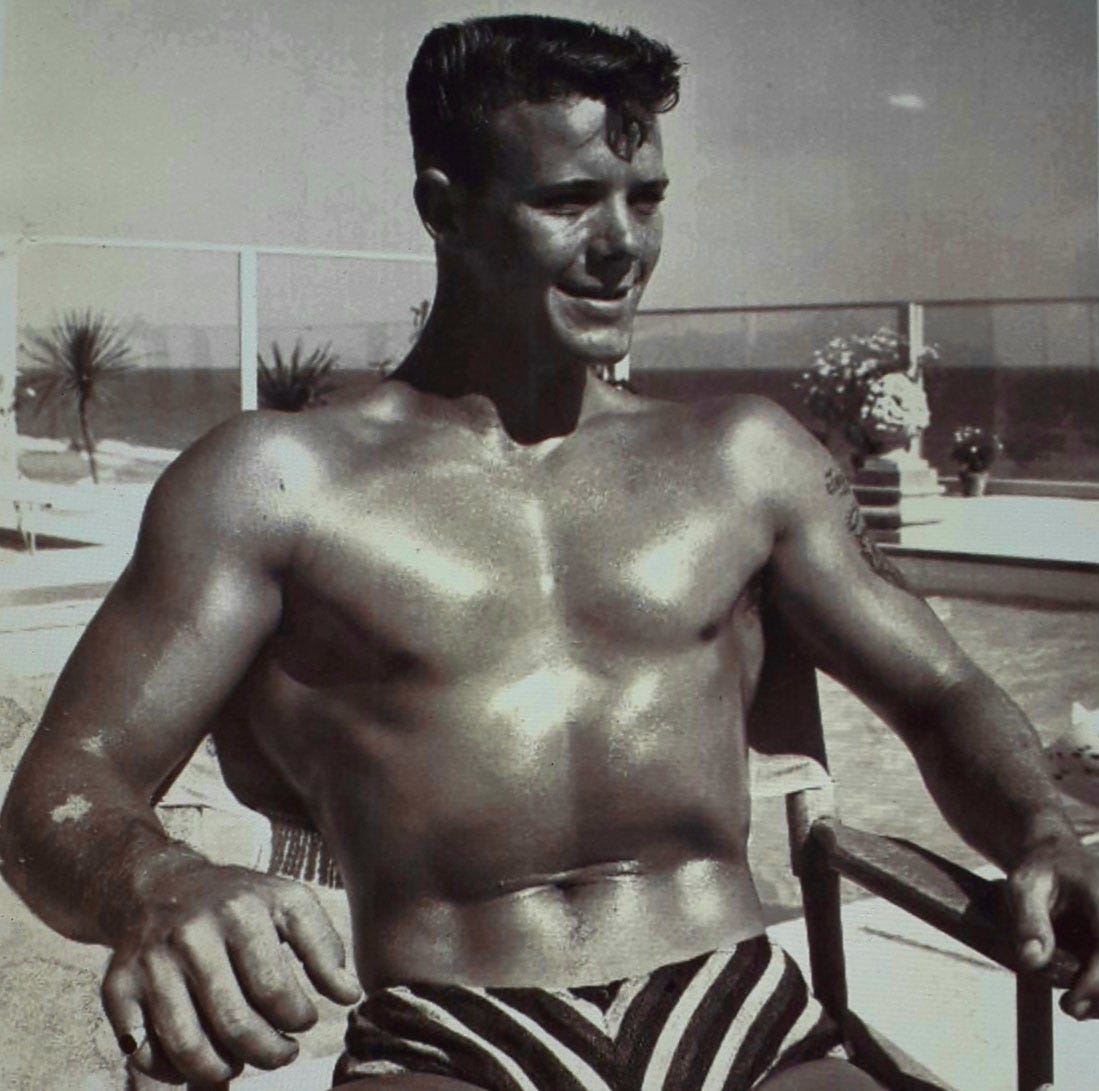
Coming home from Vietnam, Kennedy rode with the Hell’s Angels, ran a bar and night club in Santa Monica. One night, someone set off some explosives in the bar. Kennedy and another bartender ran after the rabble-rousers, shooting their pistols into the night air to stop them. One of the bullets killed a marine. It was accidental, and Kennedy says ballistics tests showed the deadly bullet did not come from his gun. Still, he served three months in prison.
Kennedy finished his sentence and in 1981 sailed down to Mexico and lived for the next 50 years in the Sea of Cortez aboard a 48-foot-long trimaran he christened “Erotica.” What does that tell you about the man? The stories are endless.
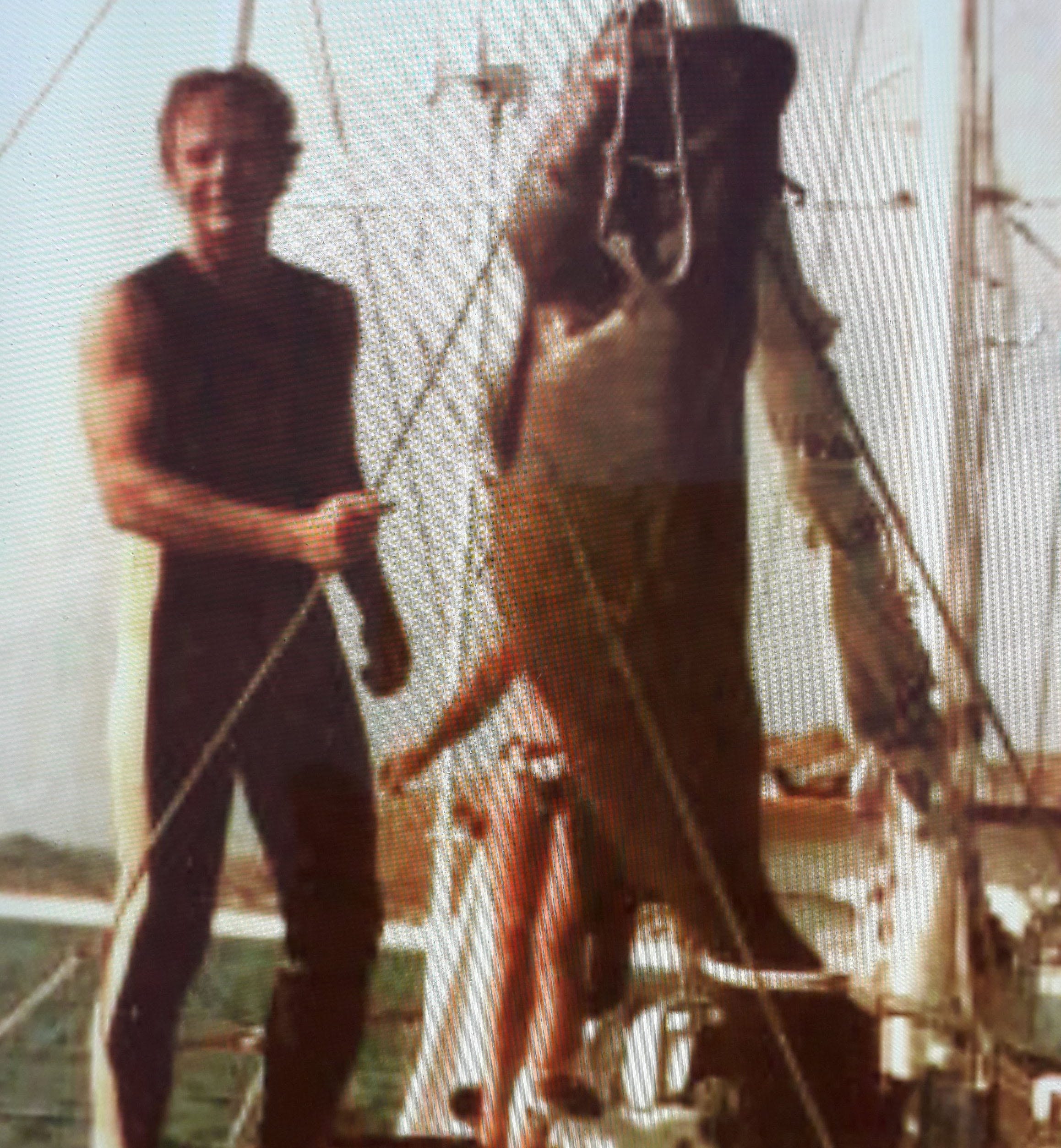
This ride-hard-die-hard guy made his living as a diver and big game spear-fisherman. His biggest kill was a nearly 10-foot tall, 384-pound rock sea bass. Back then, Kennedy was a man who relished the fight between man and beast.
Kennedy lived a rowdy, unruly life, but he found serenity in the deep blue sea. In his lifetime, he has completed 14,000 dives and plunged to depths of more than 200 feet. He says that the underwater world became his saving grace.
When Terry met Willie
One day in 1988, while on the “Erotica” off San Benedicto Island, a manta ray surfaced and slapped its wing on the hull of Kennedy’s boat. It was quite a shock and quite the bang! But Kennedy, who does not panic easily, dove right into the ocean.
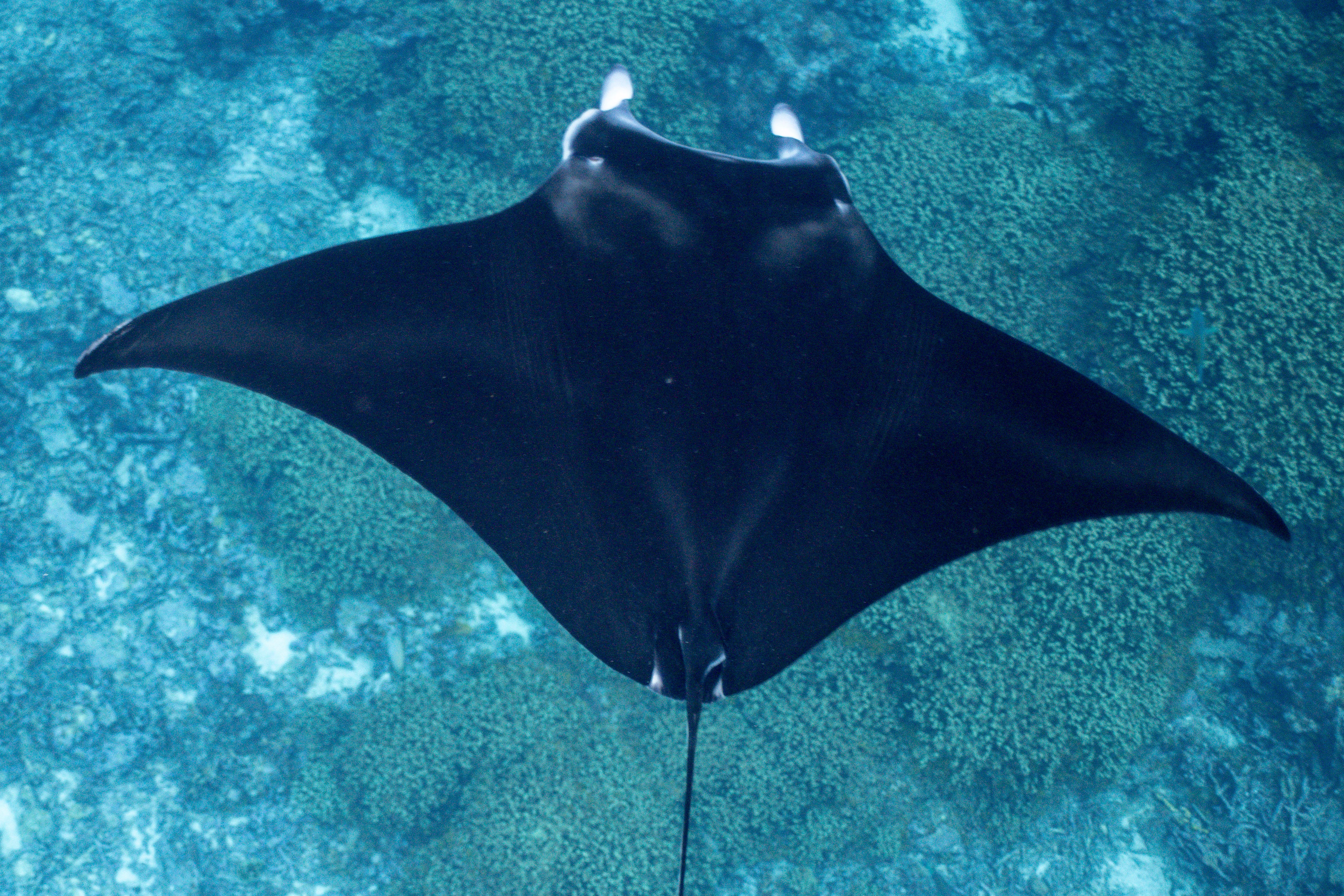
By the time Kennedy got into the ocean, the 2-ton, 20-foot-long, 22-foot-wide manta ray was about 4 feet below him. Kennedy says it came straight up to him, allowing Kennedy to sprawl on its back. Then the friendly manta ray took Kennedy on a ride like no other. Kennedy figures his first manta ride lasted about 15 minutes, and says it was like flying on the wings of a 747. The manta ray ended the ride by returning Kennedy to his boat.
That was the first time. He and this manta ray hooked up repeatedly over the next 19 years. Kennedy named it Willy and then added the last name, Wow, because Willie was just wow! Willy Wow blew his mind.
Kennedy says Willy recognized the bottom of his boat and would always slap his wing against the hull to get Kennedy’s attention. That’s just how he came knocking. And it was definitely the same manta ray every time. Each manta ray has its own distinct markings, like fingerprints, so divers can tell one manta from another.
Manta rays are smart. They have the largest brain-to-body ratio of any fish. Scientists say they are self-aware, master navigators and highly social.
The bond
Kennedy now lives on land, still in Mexico. close to the Sea of Cortez. I spoke to him recently via WhatsApp.
He said Willy had an effect on him almost immediately, “After Willy, my urge to kill fish went away. And I started realizing I am not just on the back of an animal; I’m on the back of someone who has the same intelligence as me.”
Kennedy says this revelation and his connection with Willy helped him find redemption—his future no longer defined solely by the earlier turmoil in his life and all the bad things he’d seen.
If you are skeptical that a man and a manta can be friends, well, it was all caught on camera. Stirred into the documentary of “The Last Dive” are home videos of Kennedy and Willy over their 19-year friendship.
Kennedy last saw Willy in 2007. He went looking for him again, but Willy was no longer around. Kennedy didn’t know if Willy was still alive or had simply gone elsewhere, as mantas sometimes do.
Meantime, Kennedy was getting too old to sail the rough seas on his own.
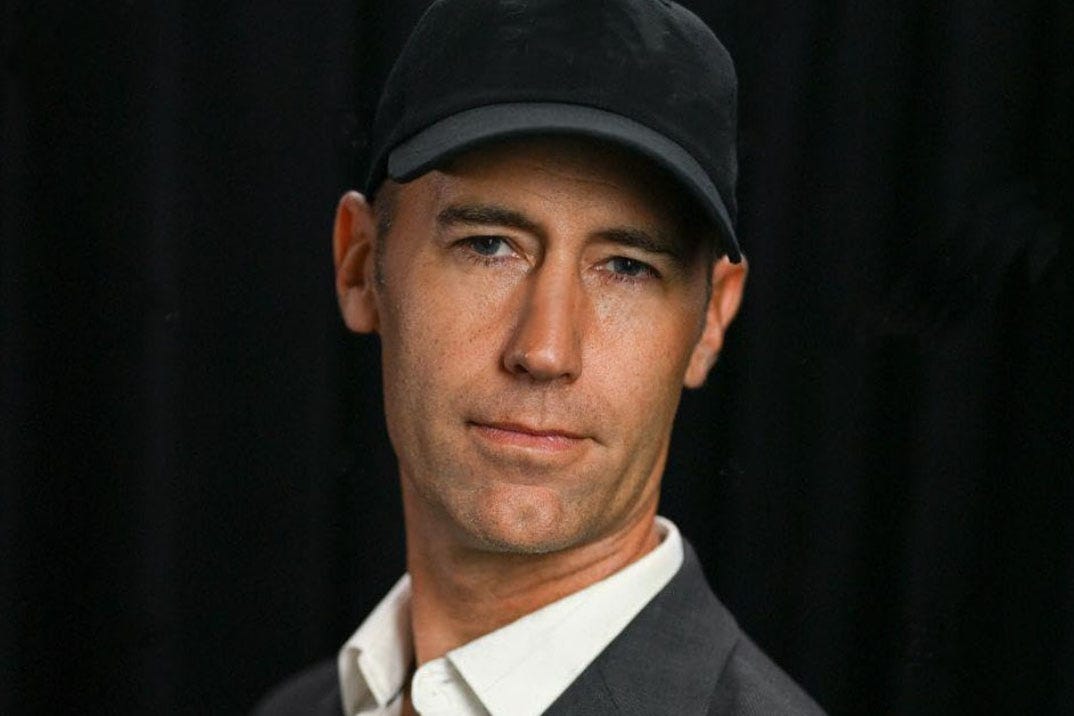
Director Cody Sheehy
Sheehy is also a diver and spends five months a year living on a boat off the coast of Mexico. That’s how he got to know the larger-than-life Kennedy.
Kennedy showed Sheehy hundreds of hours of underwater footage of him and Willy. Sheehy went through it all, frame by frame. He couldn’t get over what he was seeing on those home videos, especially the way Kennedy and Willy seemed to intuitively understand one another, “You could just see when Terry was in the water, Willy would just come right to him and start playing with him. It was such a joyful relationship. It’s like a puppy and an owner or something.”
Sheehy dived with Kennedy and saw for himself what happens when manta rays show up:
“It’s just like this energy comes with them and the ocean goes silent and they just have your complete attention. It almost feels like you’re just mesmerized or you’re in this weird zone, and it’s just an incredible experience. It’s like nothing I’ve ever experienced before.”
Kennedy’s rare and striking footage documented not just his friendship with Willy, but also manta ray behavior. No one had done anything like this before. Scientists say these videos and Kennedy’s knowledge have contributed immeasurably to our understanding of these fascinating sea creatures.
After seeing the footage, Sheehy and Kennedy started talking about making a documentary and trying to find Willy one more time. Last year, a couple of divers thought they had spotted Willy. So, with a crew of mariners and filmmakers, Kennedy set out in search of Willy.
That journey may be the film’s plot, but the film is also a plea to save the world’s endangered manta rays.
Mission
Kennedy says Willy turned him into an uncompromising conservationist. Clearly, his trajectory from big game spear fisherman to environmentalist was not a straight line.
In 1994, Kennedy made headlines after he videotaped Mexican fishermen brutally killing manta rays. That video went as viral as video could go before the explosion of the internet. The so-called “manta massacre” or “St. Valentine’s Day massacre” convinced the Mexican government to enact laws protecting manta rays, creating North America’s largest protected marine reserve.
It was Willy who led Kennedy to the underwater nets that fishermen were using to capture the mantas. Fisherman would haul the nets up and then slaughter the giant mantas to use as shark-bait. Kennedy believes Willy wanted him to see the nets because the manta knew Kennedy would stop the killing.
“The Last Dive”
The documentary is about much more than the journey to find Willy. It’s also about friendship and redemption, and what to some will seem like a logic-defying human-animal bond.
You may leave the theater not knowing what to do first, join efforts to save manta rays or take scuba diving lessons in hopes of visiting their world.
Since Kennedy’s long-ago voyages under the sea to meet Willy, it is now illegal under U.S. federal law and the International Endangered Species Convention to touch, ride or harass mantas. In other words, Kennedy’s experiences should never be repeated.
But back then, we humans really didn’t know much about the giant mantas. Thanks to Terry Kennedy and Cody Sheehy’s “The Last Dive,” now we do.