


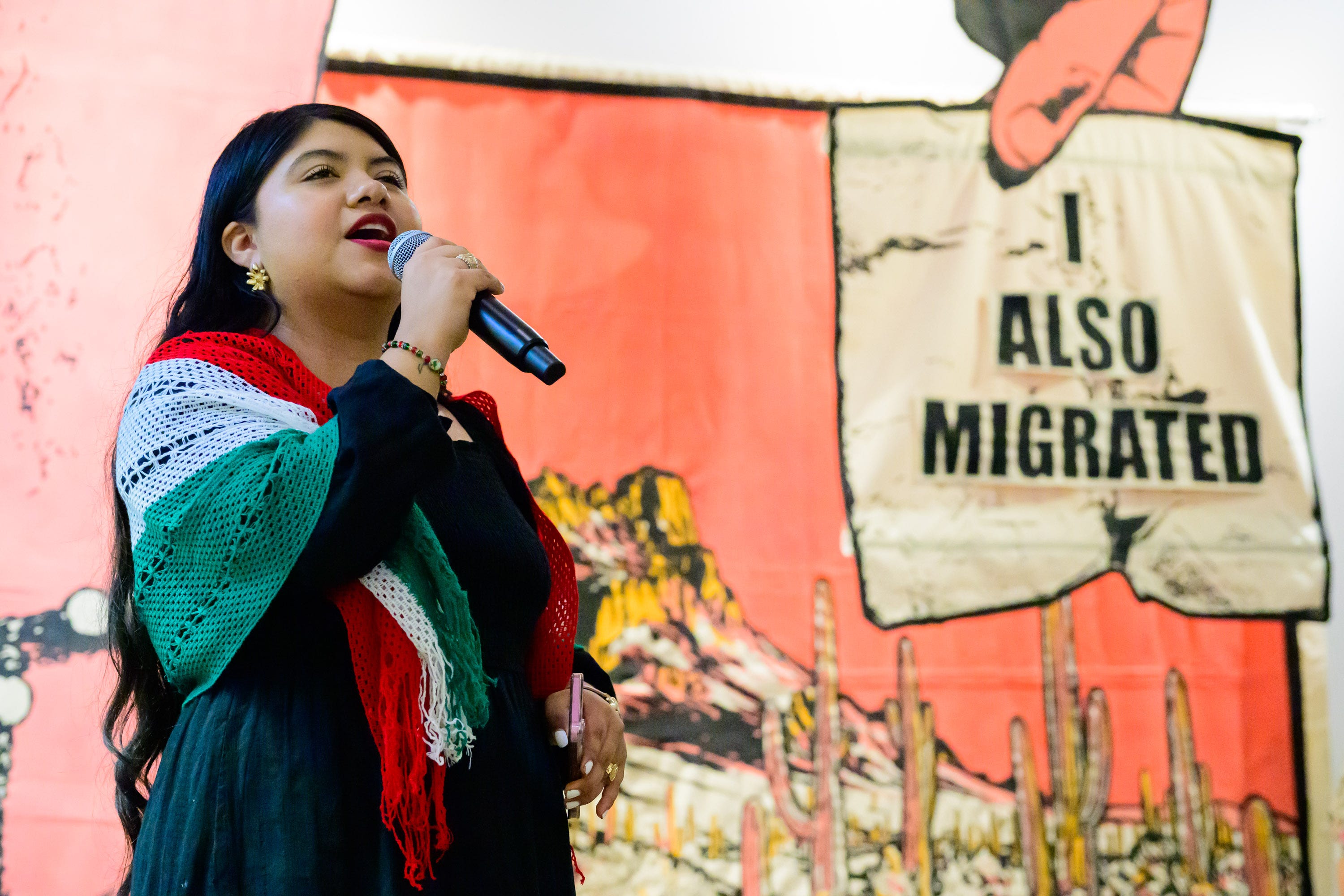
“Dreams Deferred.” That’s the title and the focus of an exhibit now at a gallery called Place in Northwest Portland. The dreams deferred are the dreams of undocumented immigrants.
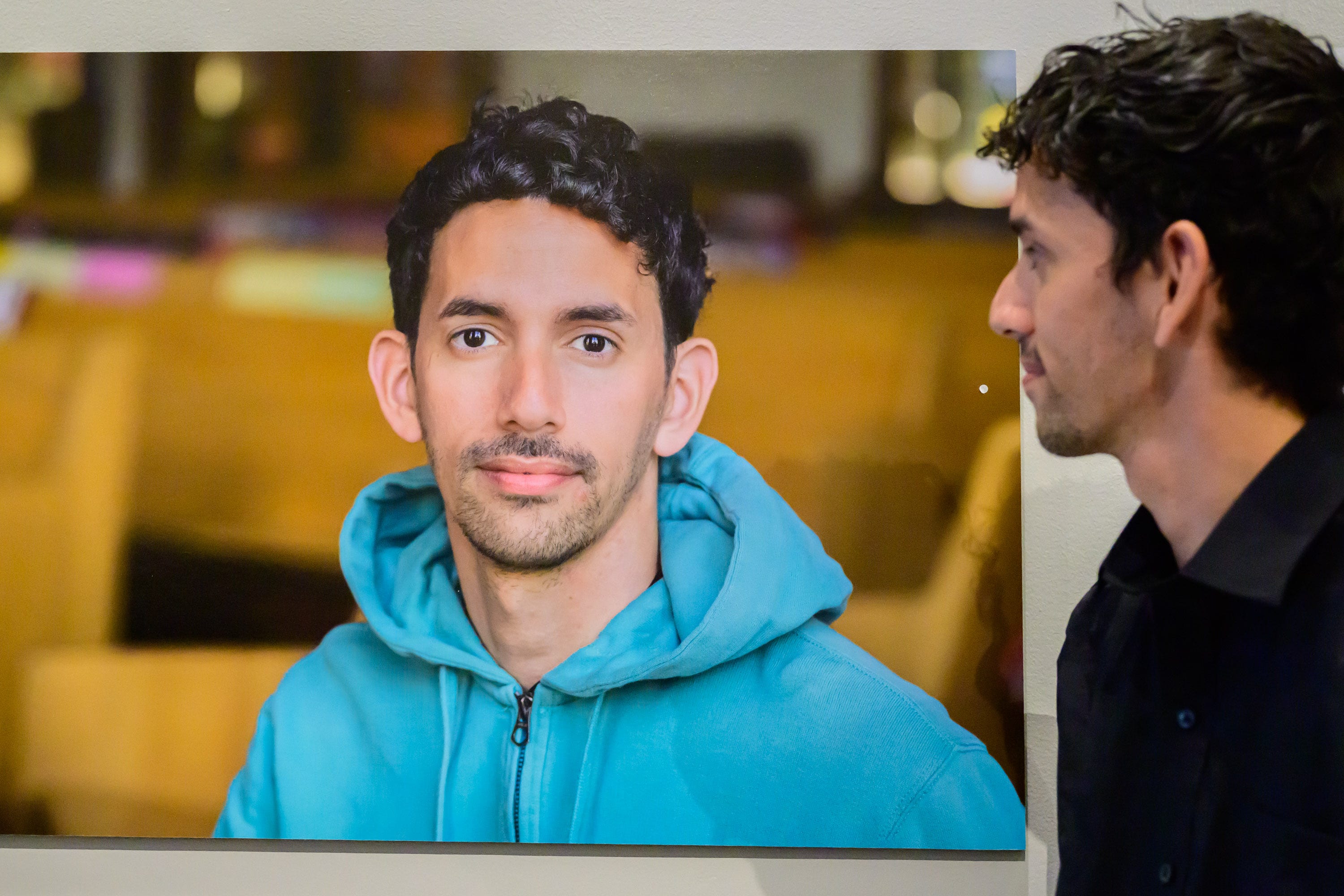
Through photographs and narratives, five Oregonians tell stories of their migration to Oregon.
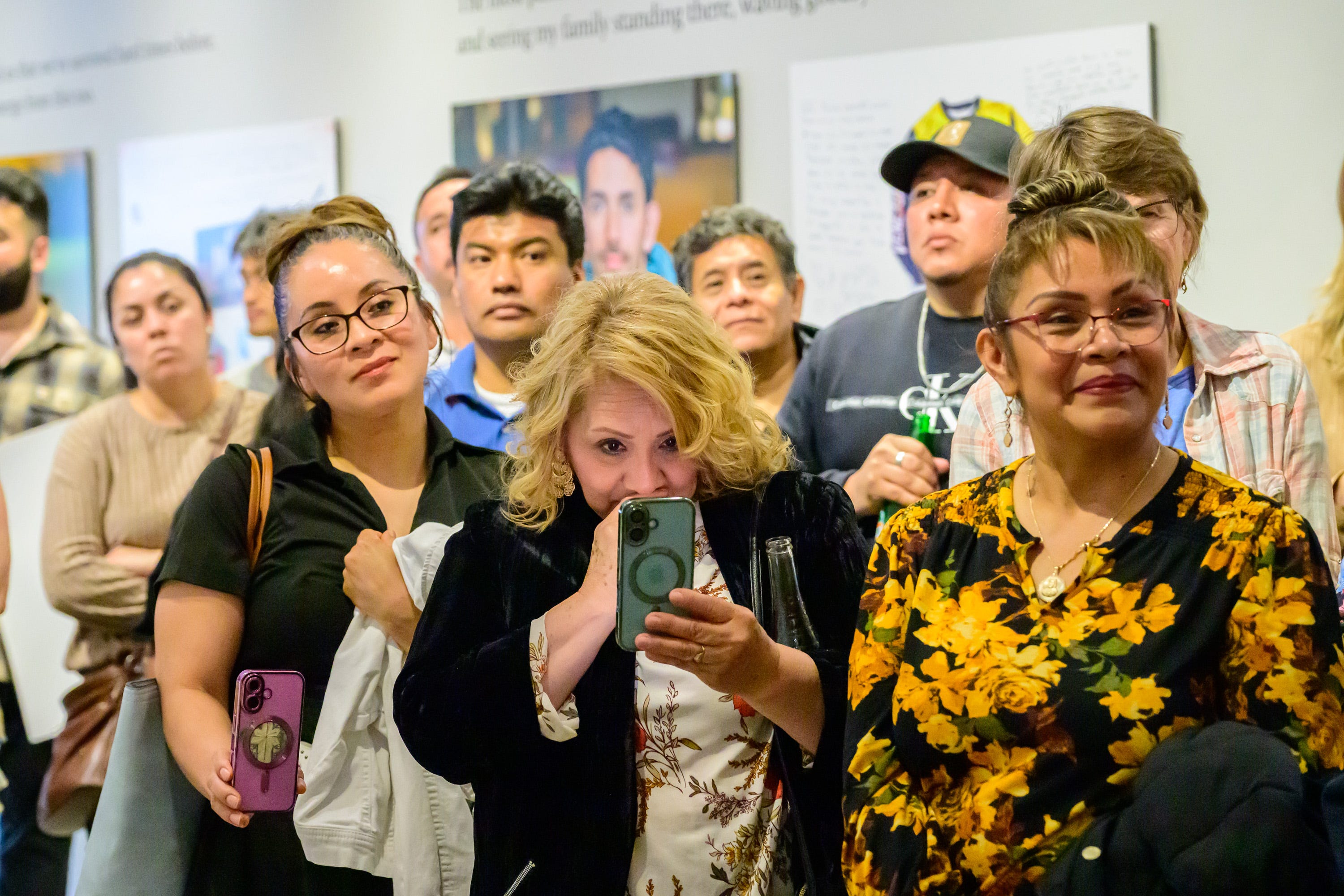
“Dreams Deferred” is a sympathetic look at the immigrants’ plight, the risks they took to get here and the risks they have taken, often over many years, to stay here.
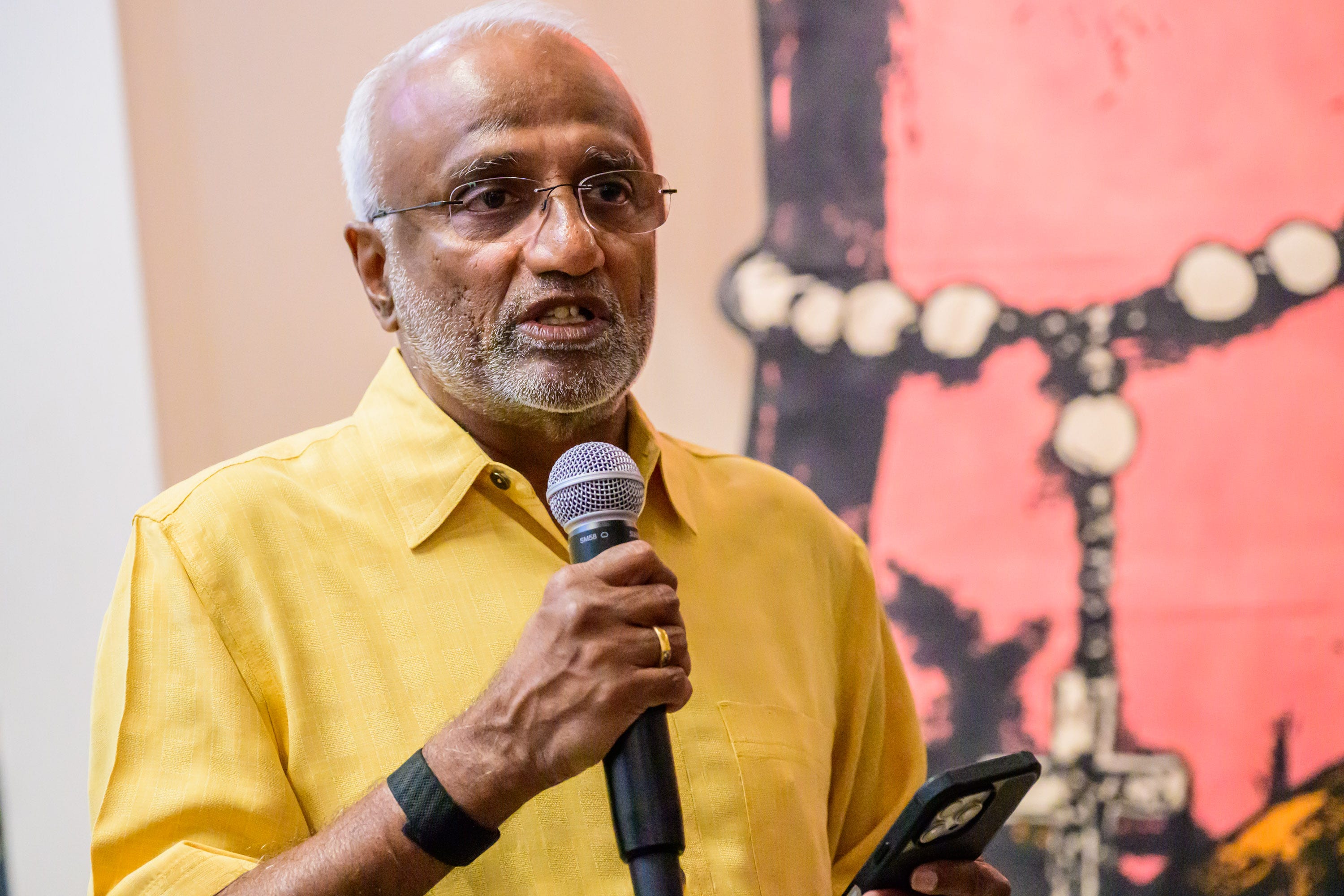
Sankar Raman curated the “Dreams Deferred” exhibit. He told me he repeatedly asked the men and women profiled in the exhibit if they felt comfortable speaking out. One of them replied, “If I don’t speak up, then it is as if I never existed.”
The narratives will not answer all questions about who these Oregonians are. Still, what they say—and what they don’t say—reveals more than most of us know about these neighbors. Some may be hiding in plain sight. Others may be hiding as best they can.
The Pew Research Center estimates as many as 120,000 undocumented immigrants live in Oregon. The five men and women all tell harrowing stories of their journeys to the United States.
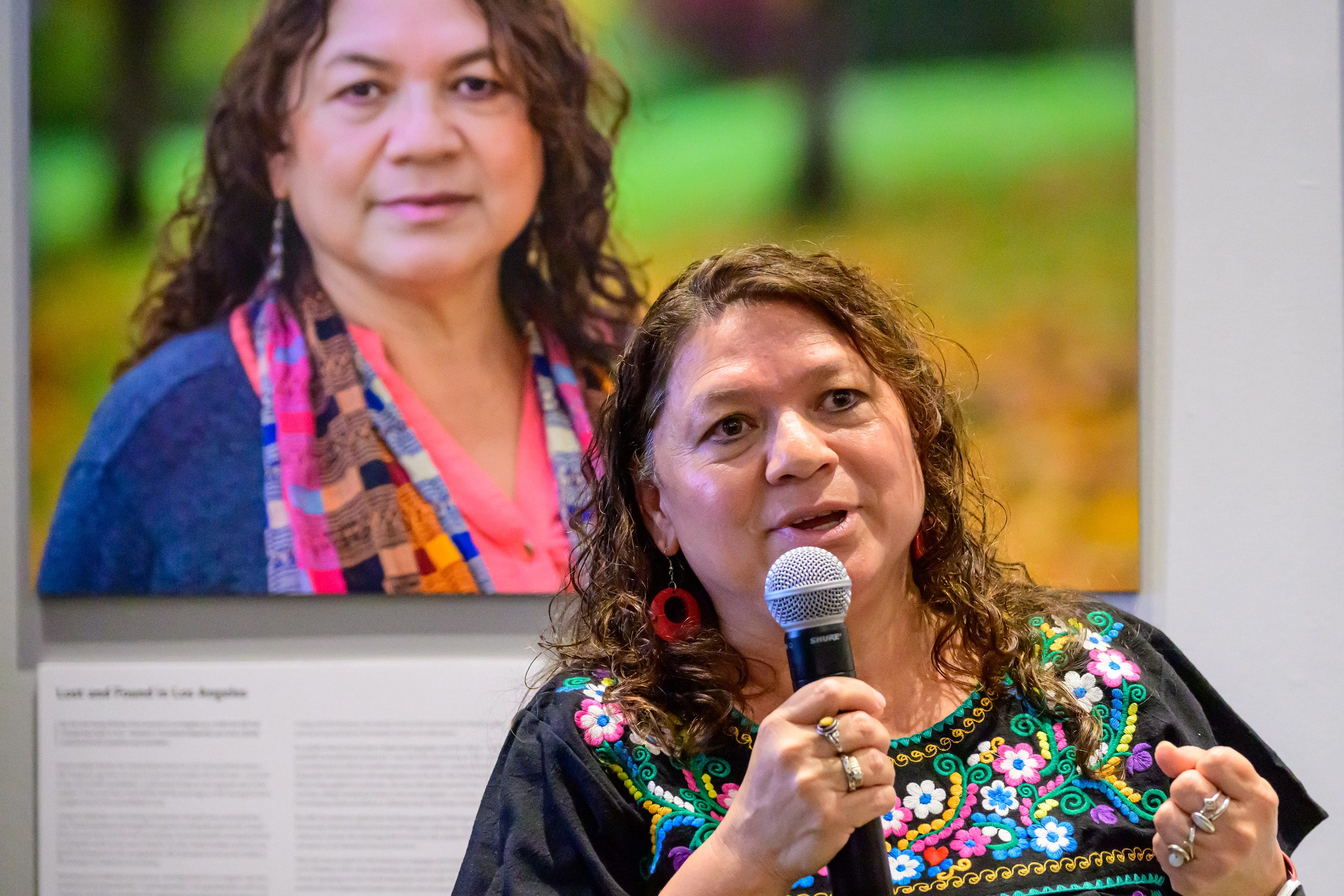
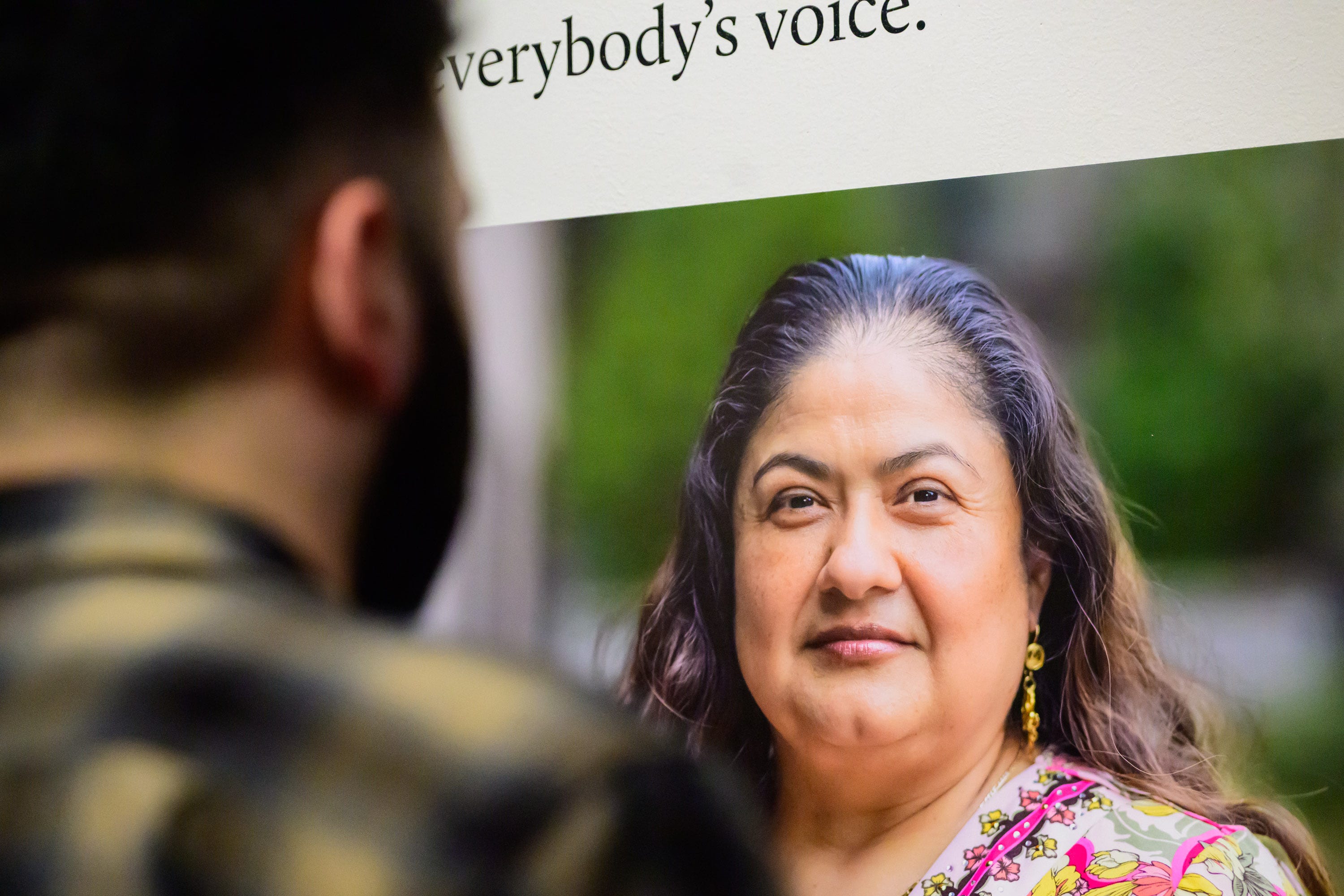
Claudia’s father had a work visa, but the U.S. rejected Claudia’s first two visa applications. She then hired a smuggler to help her cross the border. She was caught on her first attempt but eventually made it to Oregon.
Claudia is now the trusted voice of a Spanish-language radio station in Oregon, reporting the news. Lately, much of the news she reports is about immigration enforcement and ICE activity in the state.
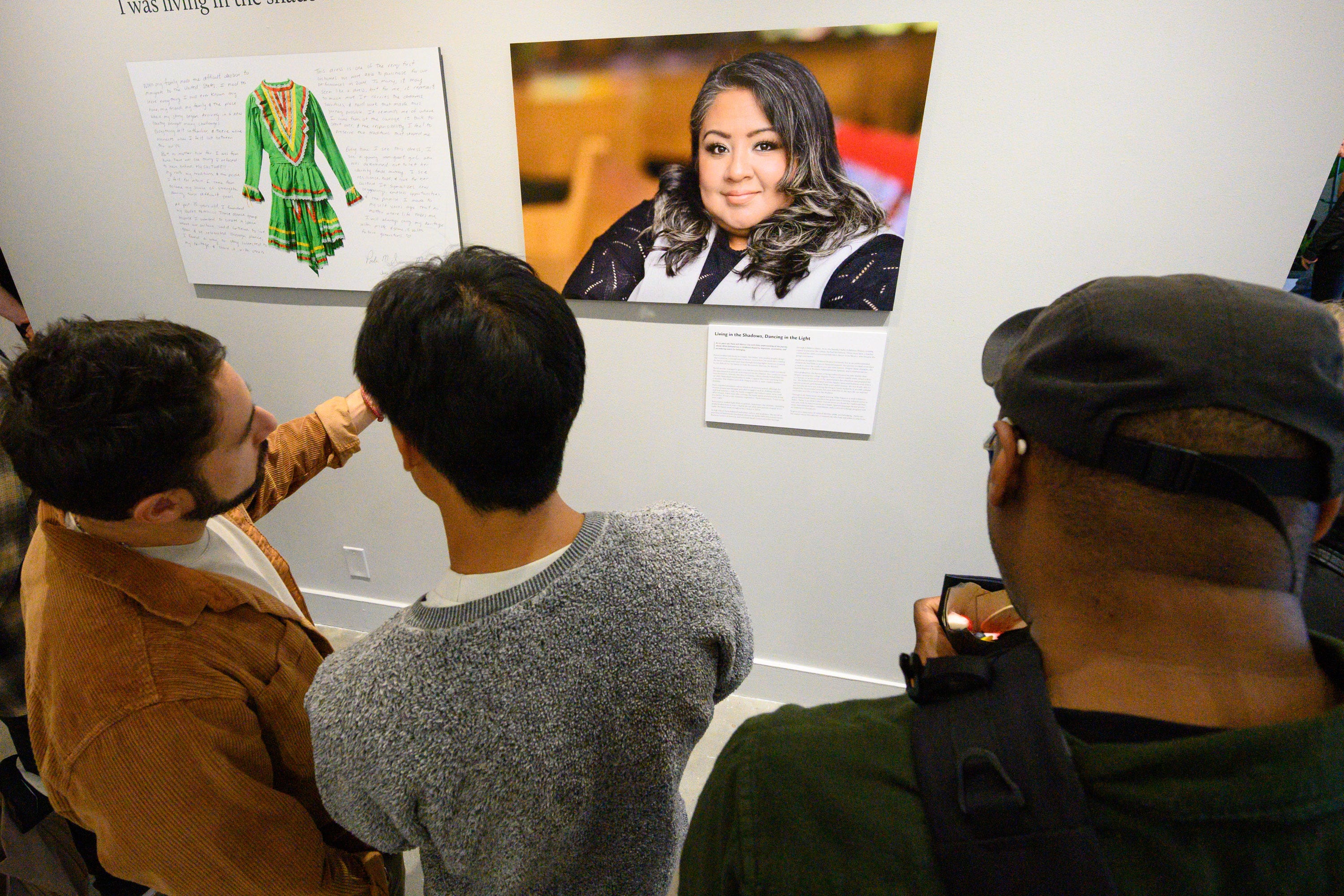
Paola often slept in a car with her brothers and sisters while her parents worked seven days a week as night janitors to pay her college tuition.
Paola earned two degrees, but because she was undocumented, she could not work or drive. Instead, she picked fruit in the fields and “lived in the shadows.”
In 2012, the U.S. DACA program (Deferred Action for Childhood Arrivals) made it possible for Paola to get a work permit. She now works for the Oregon Youth Authority, helping incarcerated youth.
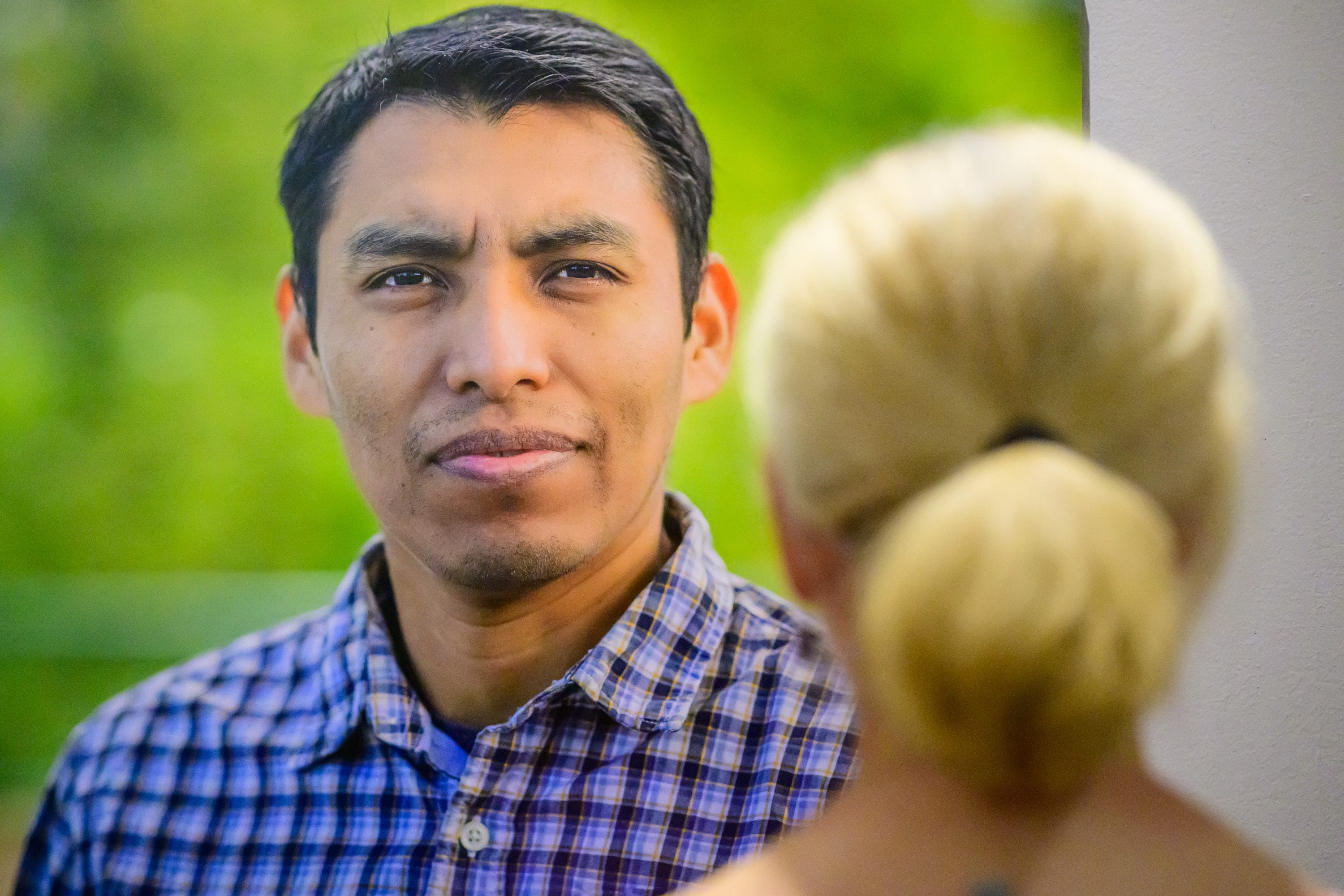
Roberto was stopped at checkpoints in Mexico and questioned because he had no identification. It took him 10 days to cross the desert into Arizona.
As soon as he got to Oregon, Roberto enrolled in a local high school. He now spends summers fighting wildfires and winters working in construction.
Roberto says he feels vulnerable every time he leaves his home. He prays he will be safe and that he won’t get caught by immigration authorities.
To be sure, “Dreams Deferred” does not tell the Trump administration’s view of immigration. Visitors are asked to “consider the human consequences of harsh immigration policies” through the lived experiences of those navigating an “increasingly uncertain and hostile political climate.”
The exhibit can be seen at Place, 735 NW 18th Ave., weekdays through Aug. 6 from 10 a.m.-6 p.m.
“Dreams Deferred” moves to the Oregon Historical Society, 1200 SW Park Ave., on Sept 25.
This invitation is appreciated. These immigrants are productive citizens of the world.
They, and millions of others, left violent countries managed by tyrants. Many tried to immigrate using our legal system while others violated our borders. Many have taken advantage of our services.
Every illegal entrant stole a place in our country from those desiring to be here legally.
We are a rich country and house generous citizens. However, we do not have enough resources to accept all entrants.
Our country will survive as a beacon of hope only if we abide by the rule of law.
Any illegal entrant owes not only his life but also his fortune to be shared in part.
How do we reconcile any aspect of these stories that diminishes our country?