


By the early 20th century, Portland Public Schools was in a race to modernize, replacing wooden structures with fireproof, multiple-egress masonry buildings. The original Couch School, built in 1882 at Northwest 17th and Kearney, was a wooden structure with a tainted reputation after a smallpox outbreak among students—an illness blamed largely on the unsanitary state of the building.
In 1914, the district moved to replace these aging wooden firetraps. The new Couch School at Northwest 20th and Glisan was a flagship of this movement. Its construction required an excavation deep enough to house a state-of-the-art basement swimming pool—or as it was referred to then—”swim tank.” (Similar pools were installed at Shattuck and Buckman schools.)
The “Sanitary” Standard
By 1917, the pool was a centerpiece of student life. According to a report in The Oregonian, the standards for cleanliness were rigorous for the time:
The double shower: Instructor Harold Shadle enforced a double shower policy—once without a suit and once with it on.
The cycle: Water was changed three times a week and drained every Saturday night to “air out” on Sundays.
Filtration: A “modern” system filtered water at 60 gallons per minute, maintaining a balmy 78-degree water temperature.
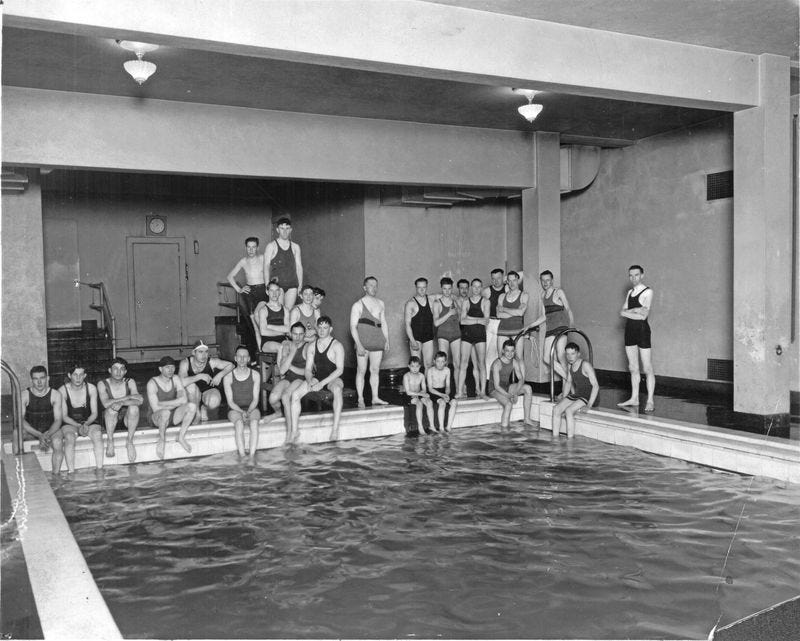
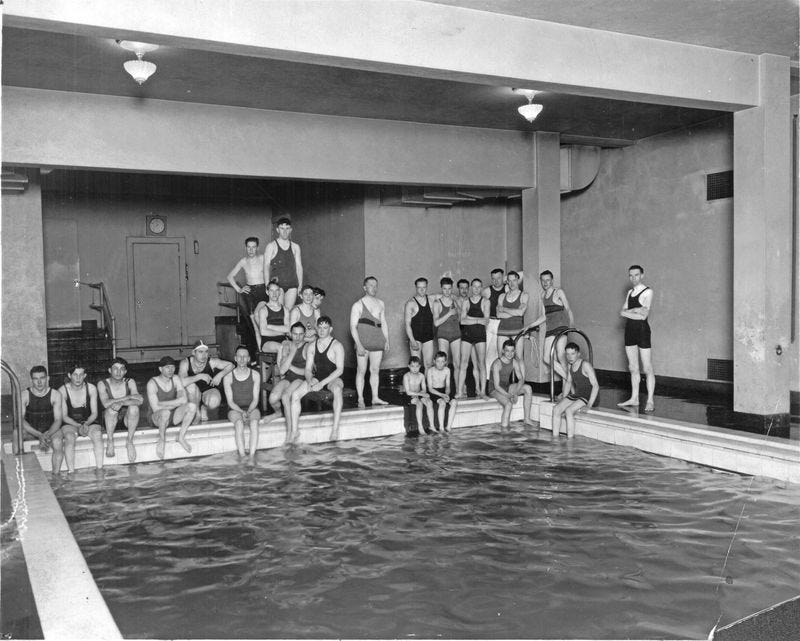
Students of what was then Couch School took classes in the “swim tank.”
A pool for all
During World War II, the Couch Pool served the influx of residents living in local war housing. Unlike commercial pools at Jantzen Beach and Seaside, the Couch School pool did not discriminate by race.
This inclusivity was a stark departure from the era’s norms; many Portland hotels, movie theaters and roller rinks remained segregated until the passage of Oregon’s Public Accommodations Act in 1953. This landmark civil rights law, which banned discrimination based on race, religion or national origin in public spaces, was the result of intense local advocacy led by the Portland chapter of the National Association for the Advancement of Colored People.
Cost of decay
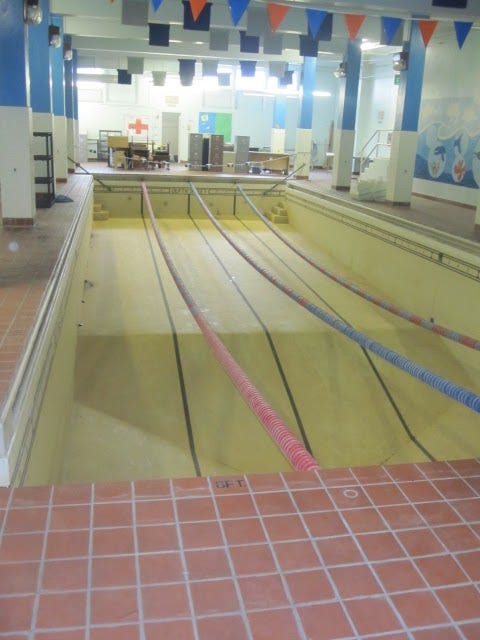
For decades, the pool served the school, which was renamed the Metropolitan Learning Center 1974, and the surrounding community. However, by 2011, the facility reached a breaking point. The pool was drained for inspection and determined to be no longer restorable.
Logistics of making repairs posed a nightmare. Because the school lacked an on-site construction staging area, any renovation would have required the use of streets and sidewalks, driving the restoration estimate to $2 million. This was double the cost of similar projects, like the Buckman pool.
Slabtown alternative
Ultimately, Portland Parks & Recreation shifted toward ground level pools. Rather than sinking millions into a century-old basement facility, the city promised a modern pool in the Conway or Slabtown area.
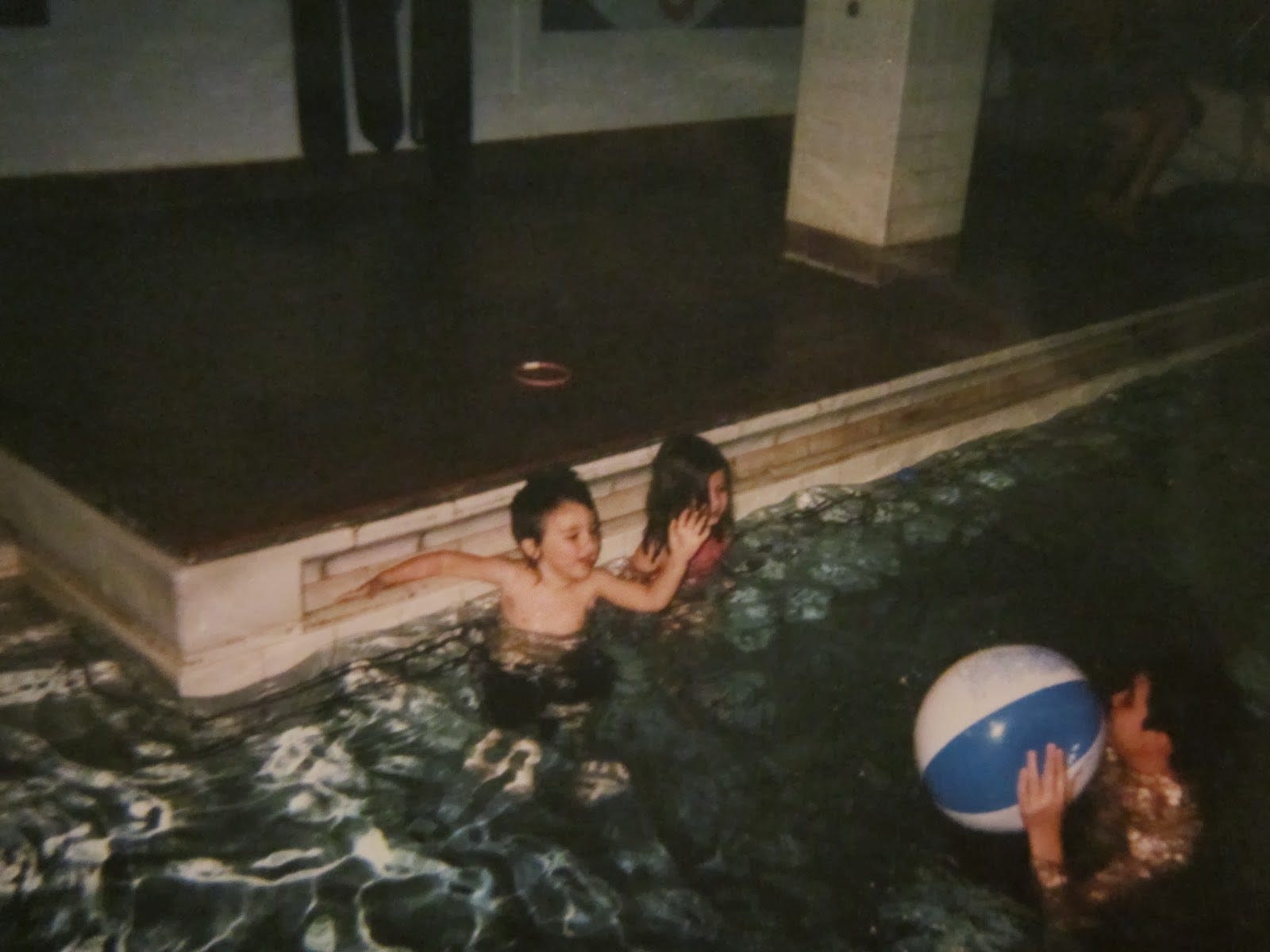
Tanya Lyn March chairs the Northwest District Association Parks Committee.

And we’re still waiting for that pool….
What about a public-private partnership to raise $2 million?