


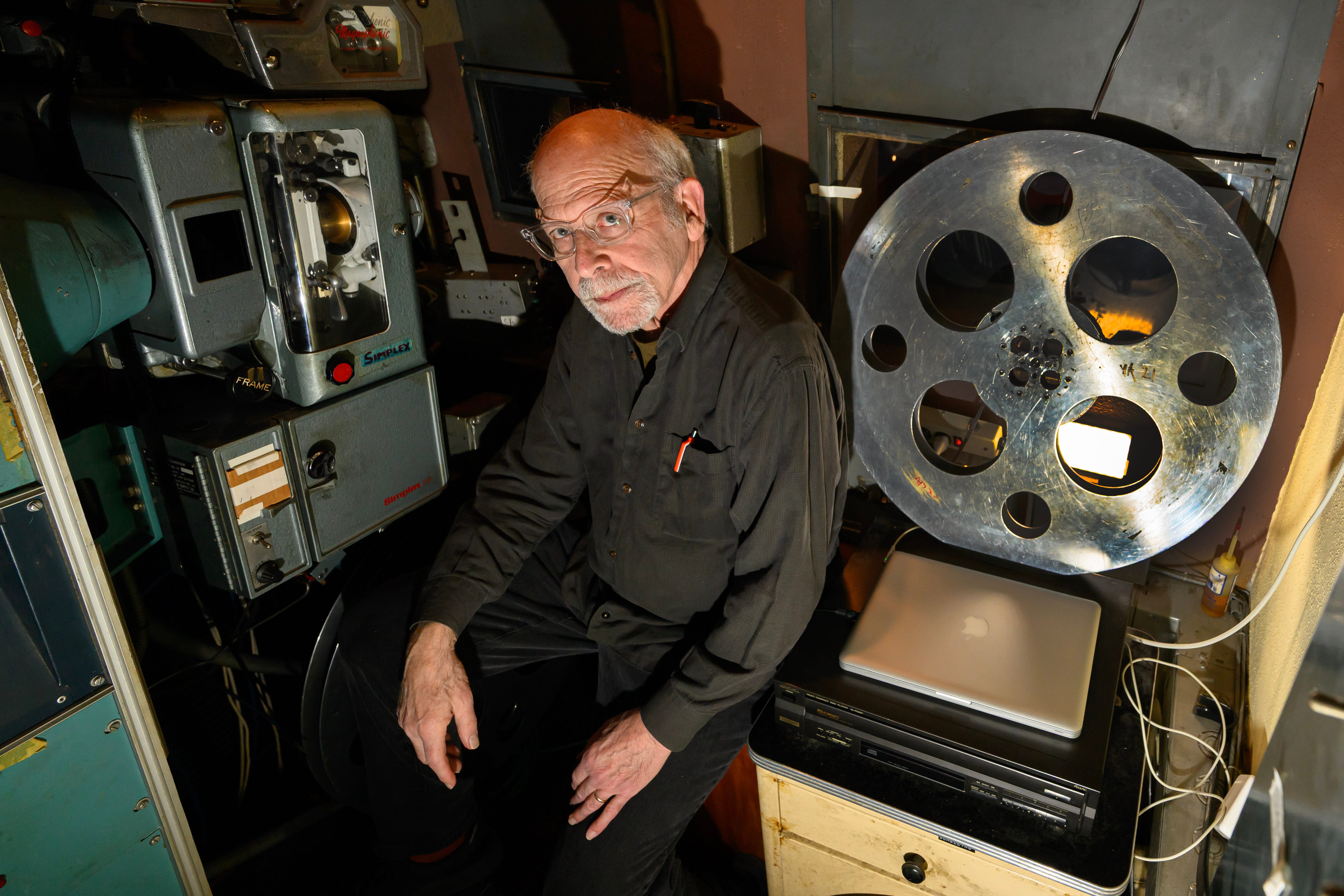
This begins a monthly series on coming attractions for Cinema 21’s Saturday Morning Classics. Film programmer Elliot Lavine selects a theme every month, and we will let you know what’s coming to the big screen at our iconic neighborhood theater at 616 NW 21st Ave.
To purchase advance tickets for the Saturday Morning Film Classics series, visit Cinema 21. All showings in the Saturday Morning series are at 11 a.m.
Lavine designated April “The Swingin’ Sixties,” two words that have become inexorably linked. It was the decade when the young questioned authority, and a decade that allowed for free expression.
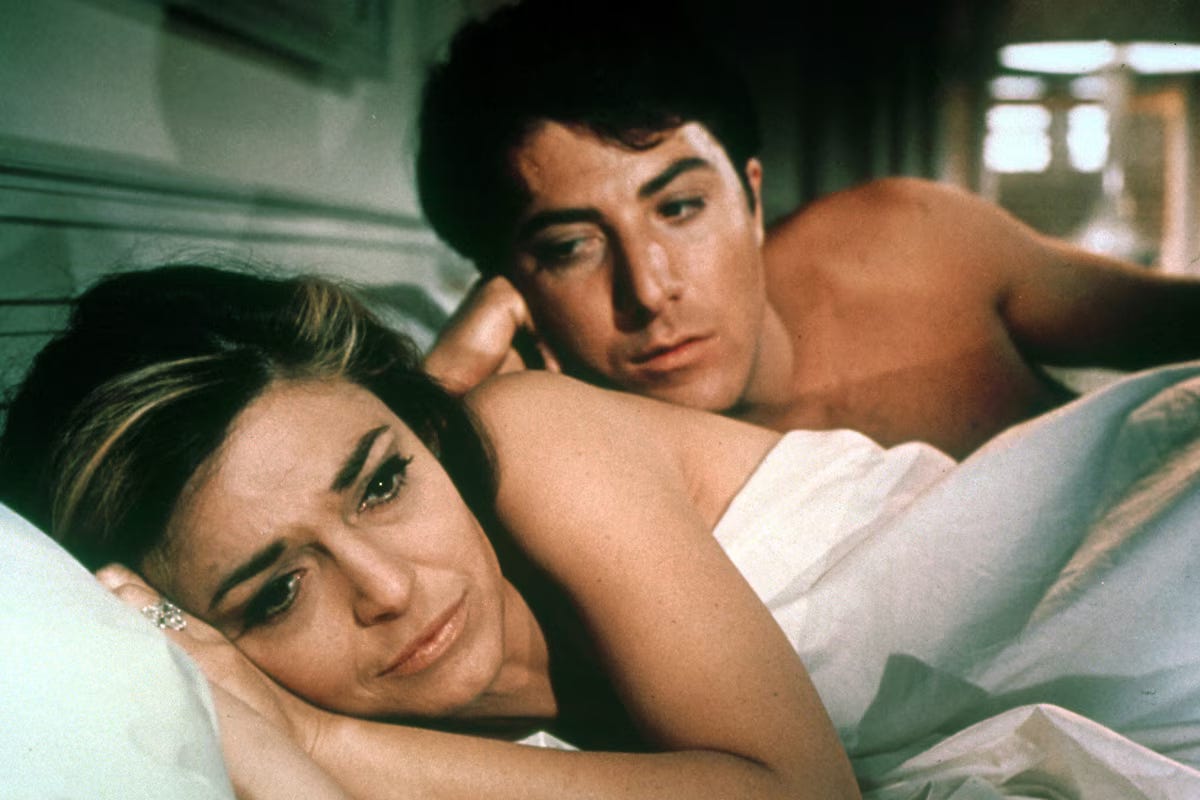
“The Graduate” touched a nerve when it premiered in 1967. Dustin Hoffman, playing the newly-minted college graduate, bored and uncertain about his future, has an affair with a married woman (Mrs. Robinson) and then falls in love with her daughter. What could go wrong? In a way, Lavine says, “The Graduate” was “an awkward sex comedy.” Who can forget Anne Bancroft flexing her gams and rolling up her stockings?
More important, this was a time when draft-aged young men faced the possibility of fighting and dying in Vietnam. Lavine saw the film when it first came out. He was a 19-year-old college student “with a growing feeling of discontent with the status quo.”
And if you are too young to remember this film, or somehow never heard of it, and you are puzzled by the alienation of young people in the 1960s (and think that disillusionment is only something that belongs to Gen Z ), just come for the dialogue: “Mrs. Robinson, you’re trying to seduce me!” followed by, “Would you like me to seduce you?”
The soundtrack by Simon and Garfunkel is note-perfect. “Here’s to you, Mrs. Robinson!”
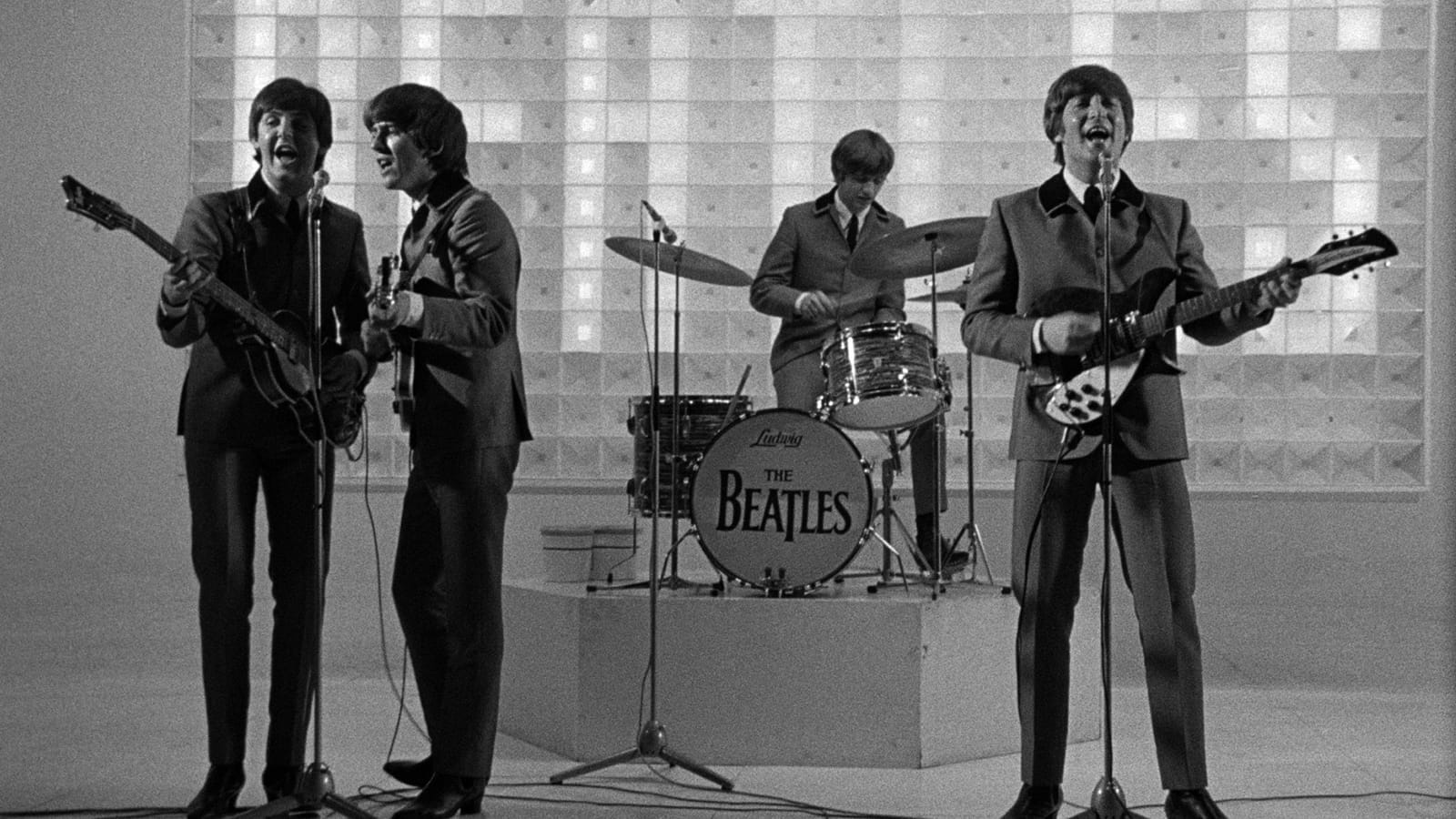
Speaking of soundtracks—in one sense, this film is like one long music video before there were music videos. The film is a satire on Beatlemania, and it really doesn’t matter what this film is about because in 1964, there was nothing bigger than the Beatles. (For some boomers, there still isn’t.) And these guys don’t just make great music, they are a hoot! The film might have been a success even if it wasn’t great filmmaking.
But “A Hard Day’s Night” shot in black and white documentary style, has been called a forerunner to modern editing. Back then, jump cuts were not something you saw every day. The film’s a bit anarchic, reflecting the Beatles’ early 60s fame. There are hand-held camera shots and run-and-gun snatches of interviews. It’s all modern filmmaking now, but it was revolutionary then. Just like the Beatles, who don’t seem to lose their relevance. If you haven’t seen it—or you don’t like the Beatles (perish the thought)—go for the filmmaking. I for one will scream and faint every time Ringo flashes by on screen.
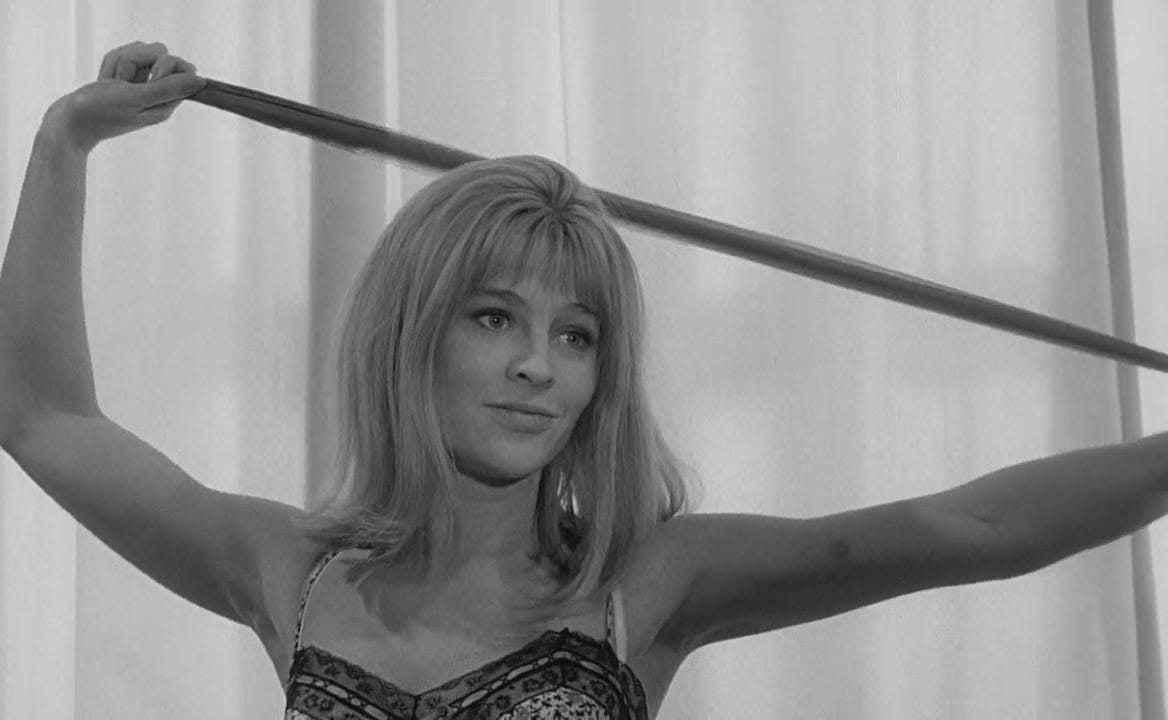
“Darling” is definitely “Swingin’ Sixties” in London, 1965. This was where “mod” was born. This film is also a satirical look at fame. Lavine says the film, starring Julie Christie (did anyone look better in the 60s?) documents “a specific sliver” in time. Christie won the Best Actress Oscar for her role as a beautiful, amoral model.
Lavine praises her “rambunctious and vivid and very much alive” performance. Lavine says it’s unfortunate that this film is rarely revived, which is one reason why he wants us to see it. It’s classic “swingin’ sixties”—wild parties and easy sex. London is artsy and fashionable. There are jet-setters and cross-dressers.
Even though it’s the era of the Beatles, the Rolling Stones and a host of other bands known as “the British invasion,” the soundtrack is jazzy and orchestral—by composer Sir John Dankworth. Lavine says, “Darling swings in a world entirely of its own!”
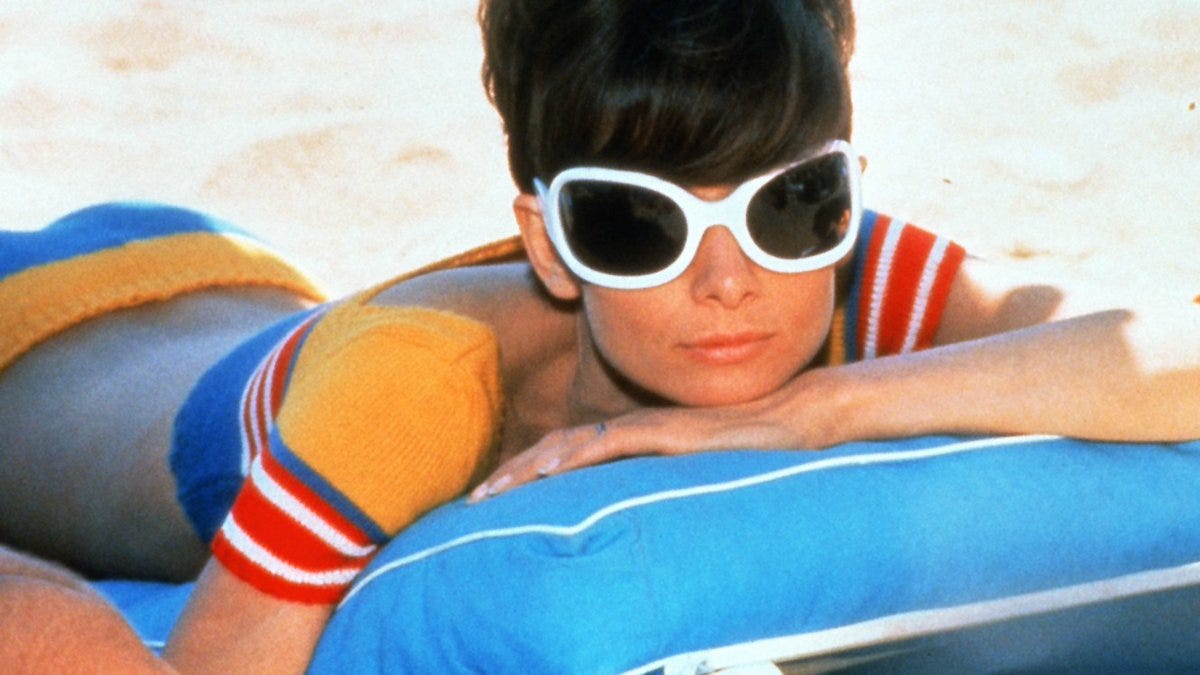
When it came out in 1967, “Two For The Road” was seen as a hip romantic comedy with some “sadder shadings.” Lavine, however, says this film was never really a comedy.
Albert Finney and Audrey Hepburn play a husband and wife whose marriage appears to be collapsing. They take a road trip to the French Riviera—a trip they’ve taken several times before. The film jumps back and forth between the different road trips, and we see the couple in different stages of their 12-year relationship. Those juxtaposed scenes provide an analysis of their marriage. “Two For The Road” combines the style of French New Wave with a traditional Hollywood romance.
Lavine is curious to see how the audience reacts to the film. He says “modern audiences might find it contrary to the way they look at marital relationships these days.” Still, Lavine says it is a beautiful film, “full of images that really do promote free thinking…”
And as Lavine says, “Once Audrey Hepburn dons those amazing sunglasses, you just know you’re in for a swingin’ time.”
Also, another great soundtrack by Henry Mancini.
