


It seems like there’s been a lot of hating on crows in the Pearl lately. There have even been efforts to deploy lasers (yes) to get these birds to roost, well, elsewhere. But regardless of whether you happen to be anti-crow or pro-crow, there’s a ton of great wildlife in our hood that does not screech at all hours or poop in volume.
With this in mind, what follows is a selection of Pearl District wildlife I’ve photographed recently. To photograph wildlife, you can certainly drag yourself off to exotic foreign lands or even Sauvie Island or Oaks Bottom. But you really don’t need to go even that far. I took all these photos within walking distance of my place in the Pearl. The only critter I don’t share here? You got it. That’s my quid pro crow.
Click on any photo to view larger.
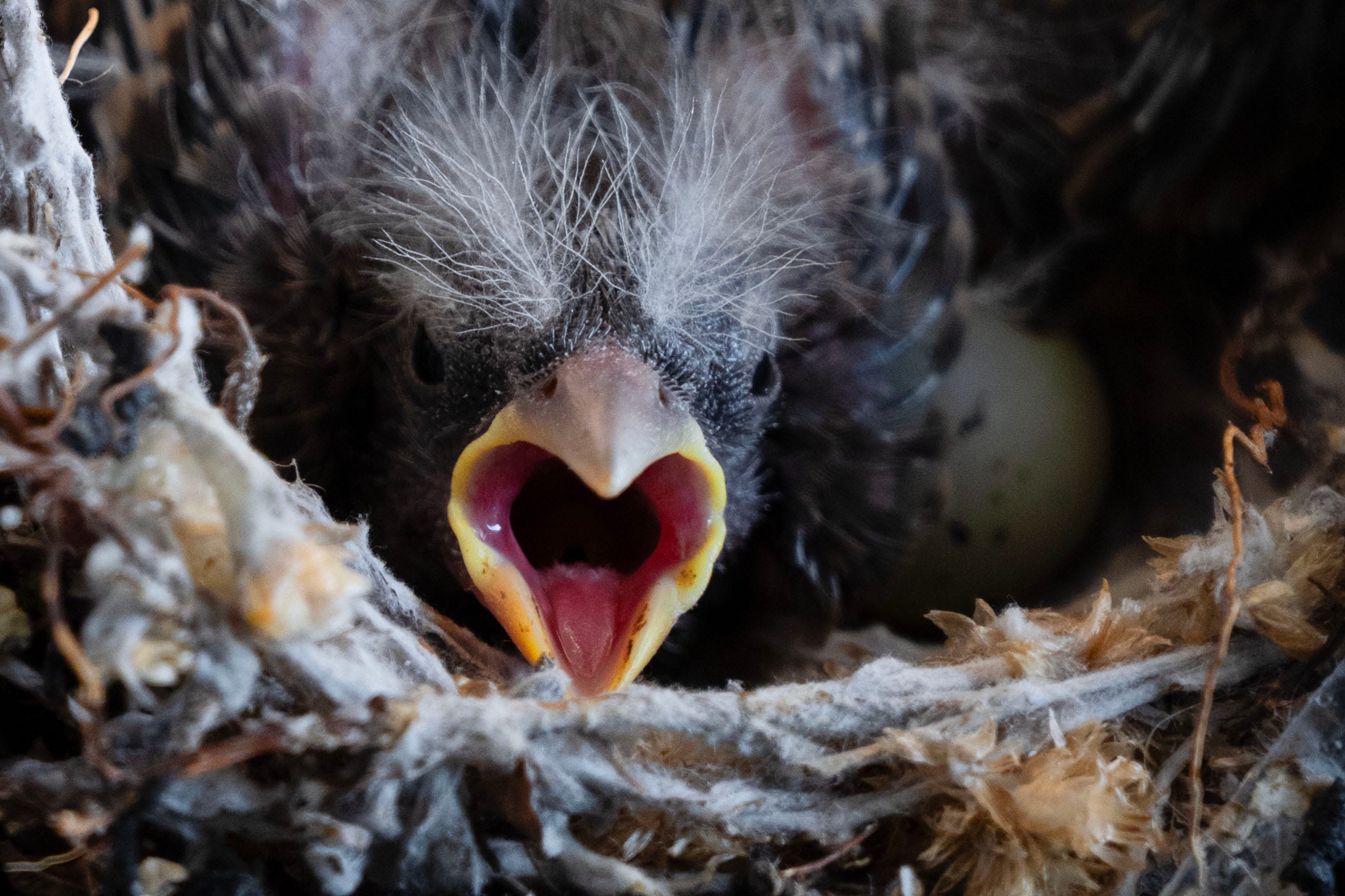
I photographed this just-hatched house finch in its nest up on the side of a building at Northwest 10th and Everett. The little guy is waiting for a refill. I watched its two apparent-parents flitting back and forth to feed the brood. You can see one still-unhatched spotted egg at the bottom of the nest. The house finch was native to Mexico and the southwestern U.S., but it was introduced to the East Coast in the 1940s as a novelty and subsequently spread across the continent. Today there are an estimated 40 million house finches in North America. (Geek stuff: 66mm / f5 / 200th / ISO 640)
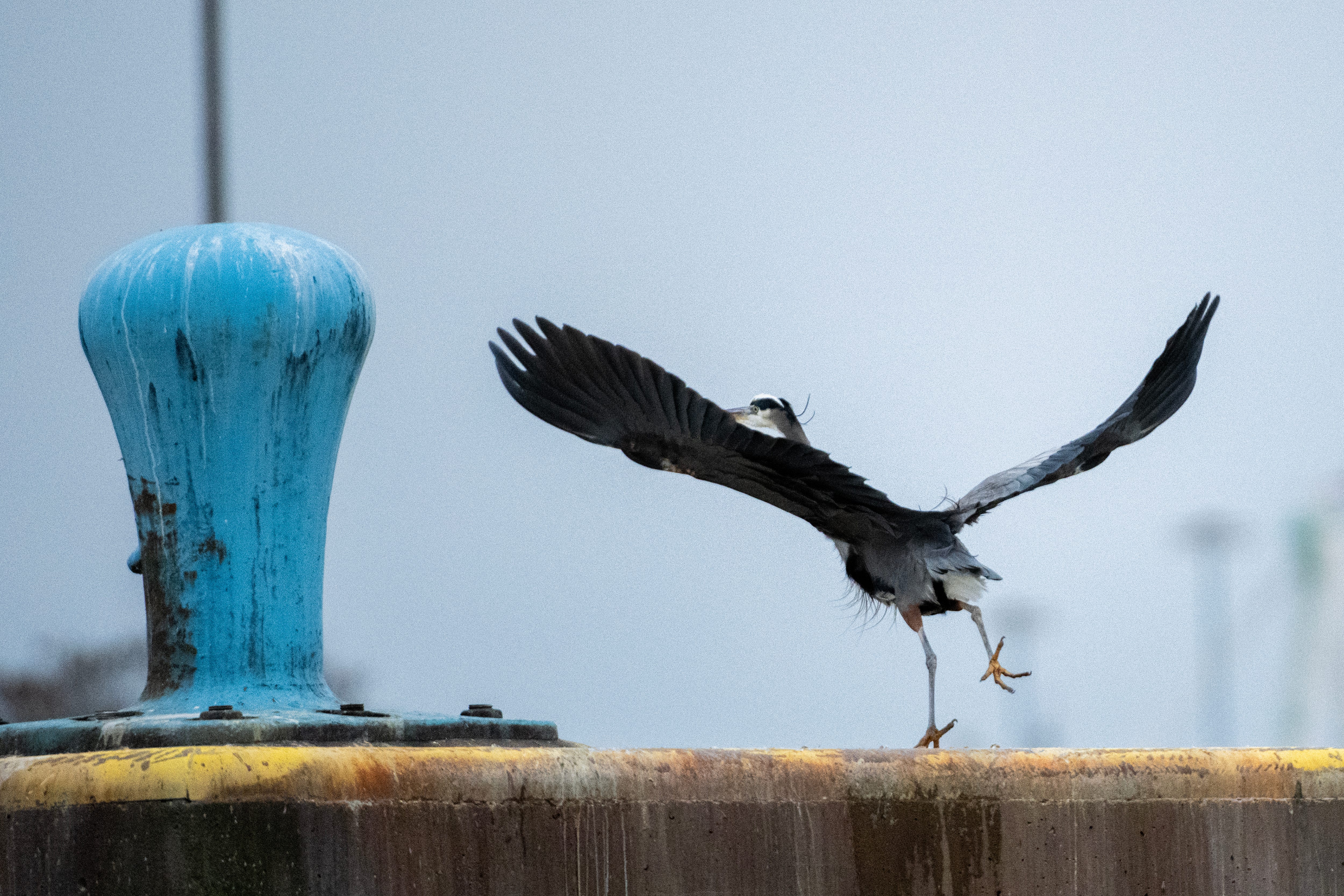
I’d like to claim I planned it this way. A great blue heron about to take flight right beside a (matching) blue ship’s bollard in the Willamette River near Northwest 19th and Front Avenue. The great blue heron is a spectacular bird with a wingspan that can approach 7 feet. If you watch one of these birds long enough, you may be treated to its voracious table manners: swallowing an entire fish or even a wriggling snake in a single gulp. (Geek stuff: 400mm / f4.5 / 2500th / ISO12800)
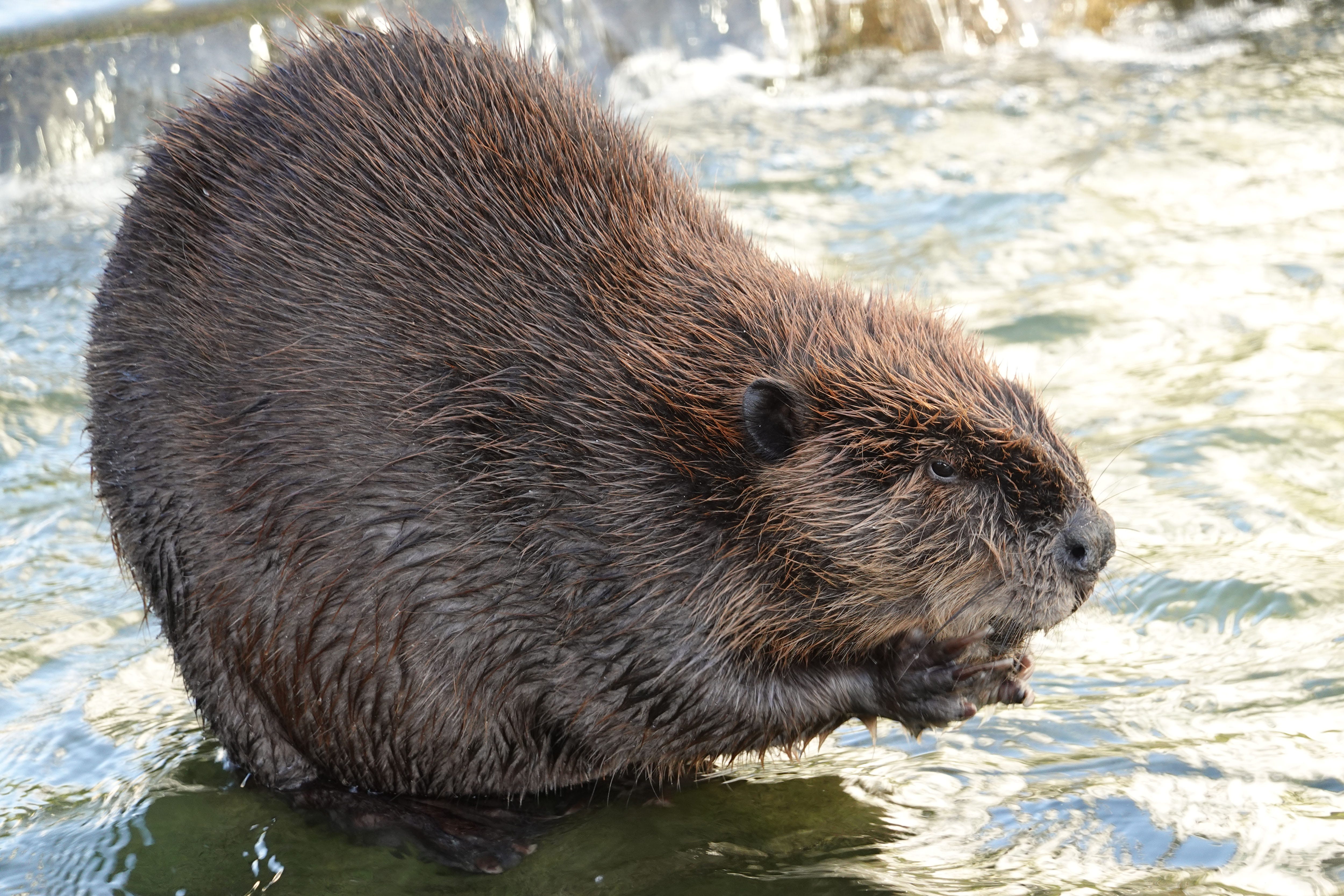
I photographed this North American beaver washing its paws in the recirculating pond just east of the Waterfront Pearl condos on Northwest Naito Parkway. This is not a super-long-lens photo. My not-so-secret sauce to shooting wildlife of all kinds is to move slowly, keep talking quietly to the animal you want to photograph and keep photographing as you gradually draw closer. Many wild animals, once they discover you don’t plan to kill them, are just as curious about you as you are about them. After being hunted nearly to extinction in the 17th and 18th centuries (beaver-fur hat anyone?) the beaver has made a remarkable comeback. Today the industrious beaver is the national animal of Canada. (Geek stuff: 169mm / f4.5 / 80th / ISO250)
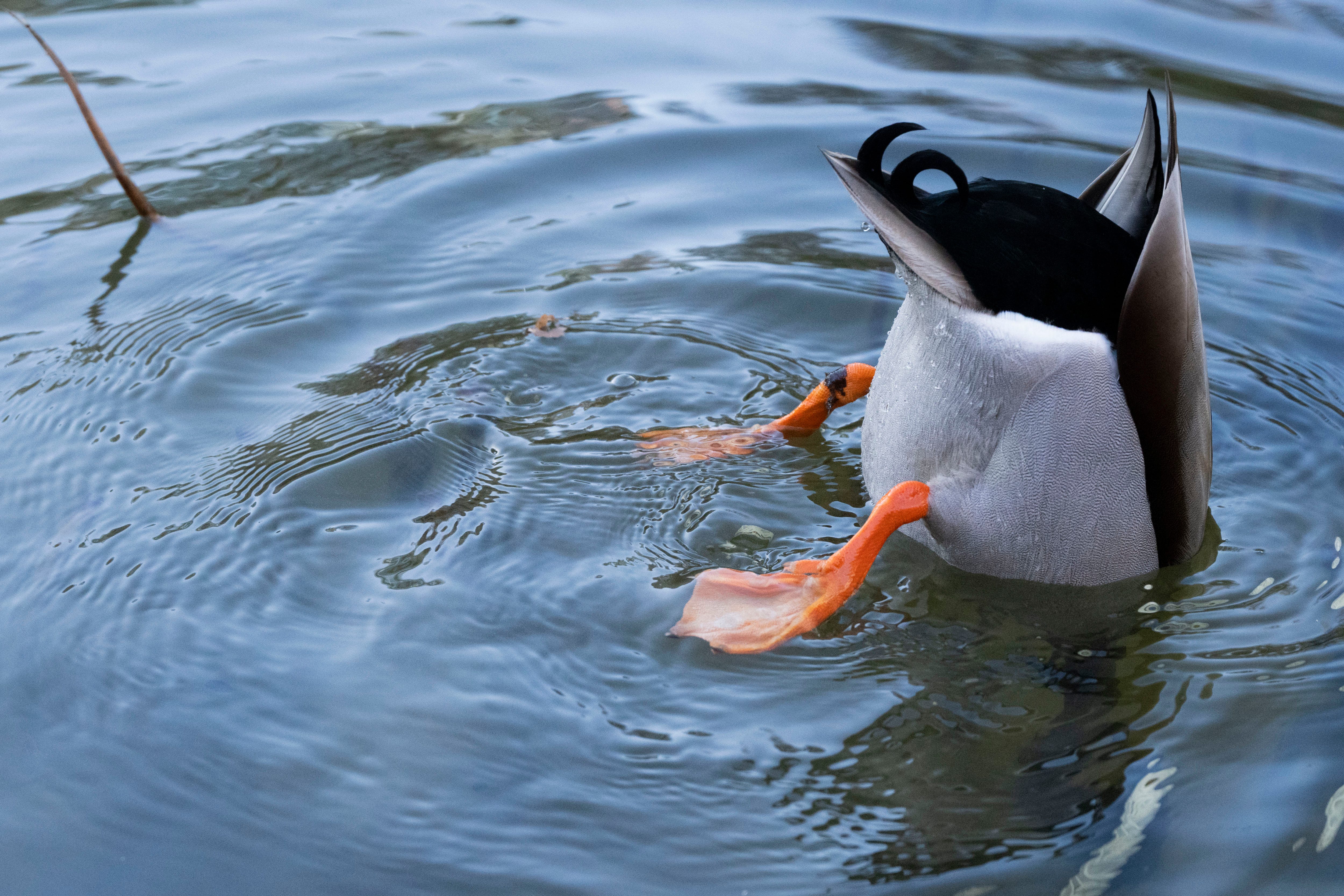
I thought an under-the-hood view of this mallard feeding in Tanner Springs Park was its most eye-catching. But what’s with the bright orange feet? First of all, it’s a sign of good health that our friend’s feet are indeed bright orange. It signals that the bird is eating plenty of plant material with the pigment xanthophylls. Does the orange do any actual good? Yep. Both male and female mallards have an eye for orange — it’s a green light to prospective mates. (Geek stuff: 91mm / f6.3 / 800th / ISO3200)
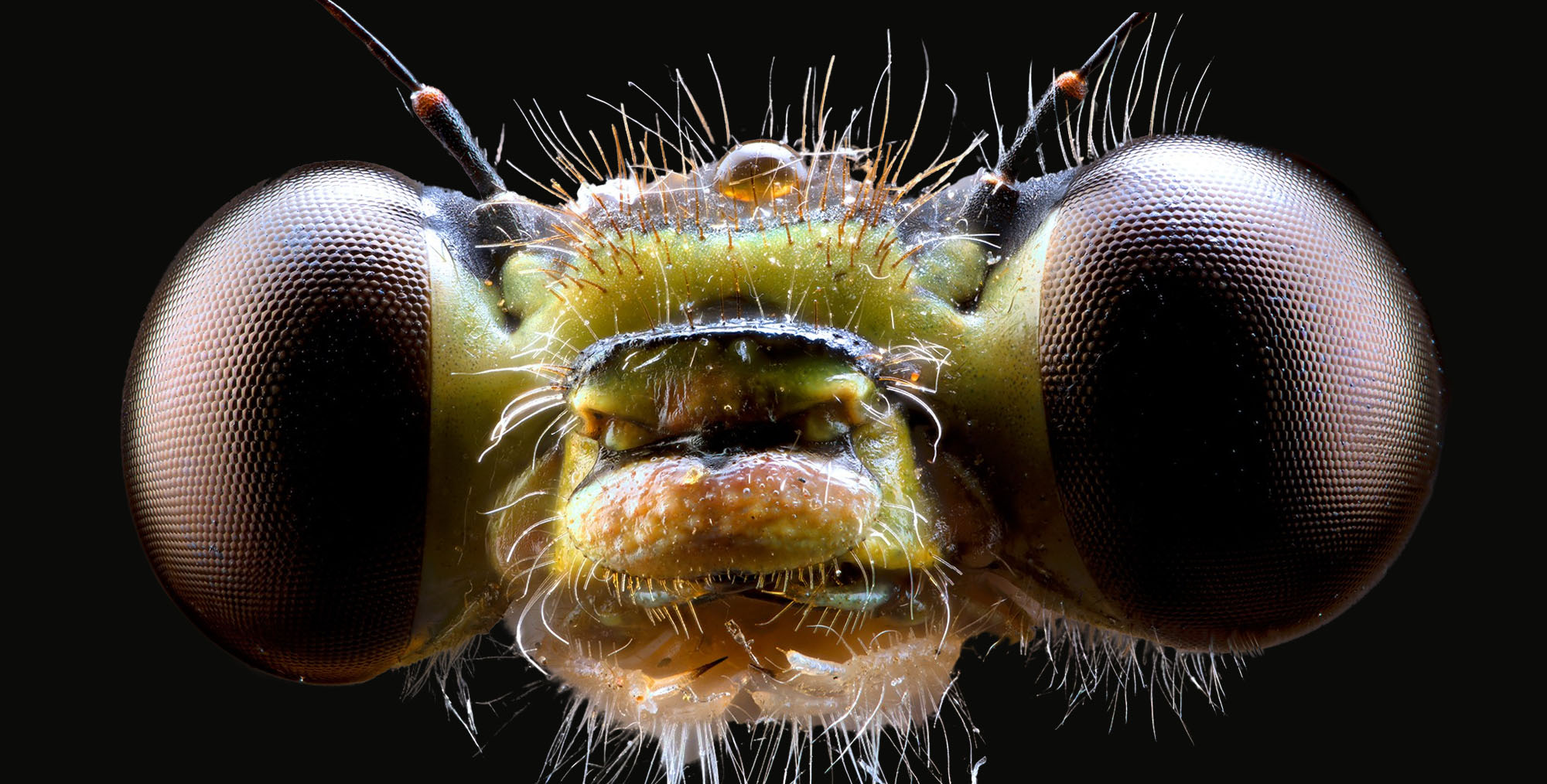
This is not AI or a shot from a horror movie. It is an extremely tight photo of the face of a damselfly that I found in Tanner Springs Park. Those two big ovals are its compound eyes. The damselfly had died on a reed by the water so I carefully took it back to my macrophotography lab for its posthumous portrait. That orange-ish oval dome thing atop its head? That’s a feature common to many flying insects. It’s called an ocellus — and helps an insect navigate, stay stable and avoid predators. (Geek stuff: 420 image stack / 6 micron steps / 5th / ISO200)
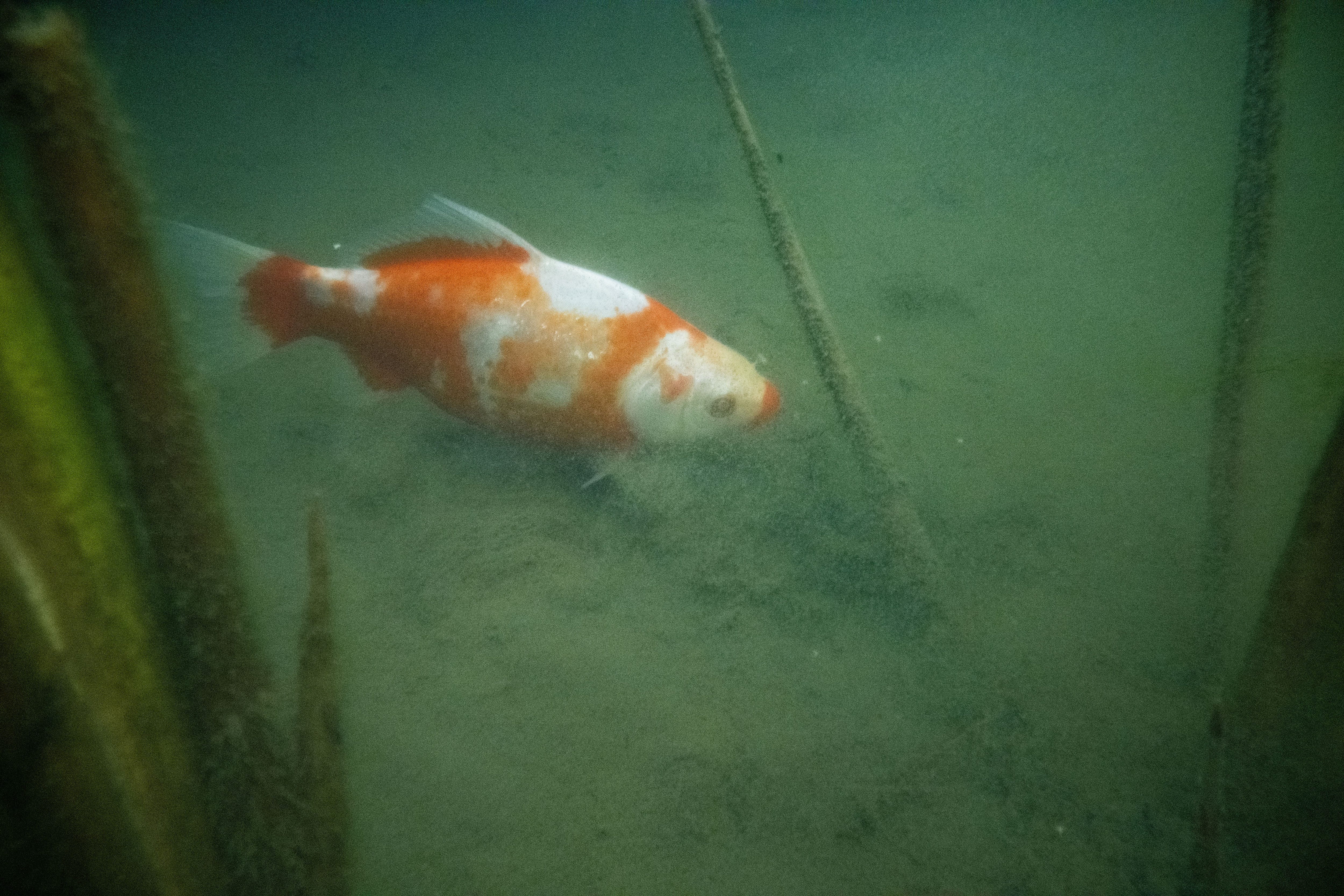
The Portland Parks Bureau has a plea to parents whose kids tire of their goldfish: Please don’t dump them in a city pond, dust your hands and walk away. They multiply like crazy and take over. I believe this is a Sarasa Comet variety of goldfish that I photographed in the murky algae-thick water of Tanner Springs Park. The li’l fella was willing to hold off on its bottom feeding long enough for me to stick my underwater lens down and catch a photo. Wildlife? It is now, I suppose. Native? Definitely not. (Geek stuff: 24mm / f14 / 200th / ISO9000)
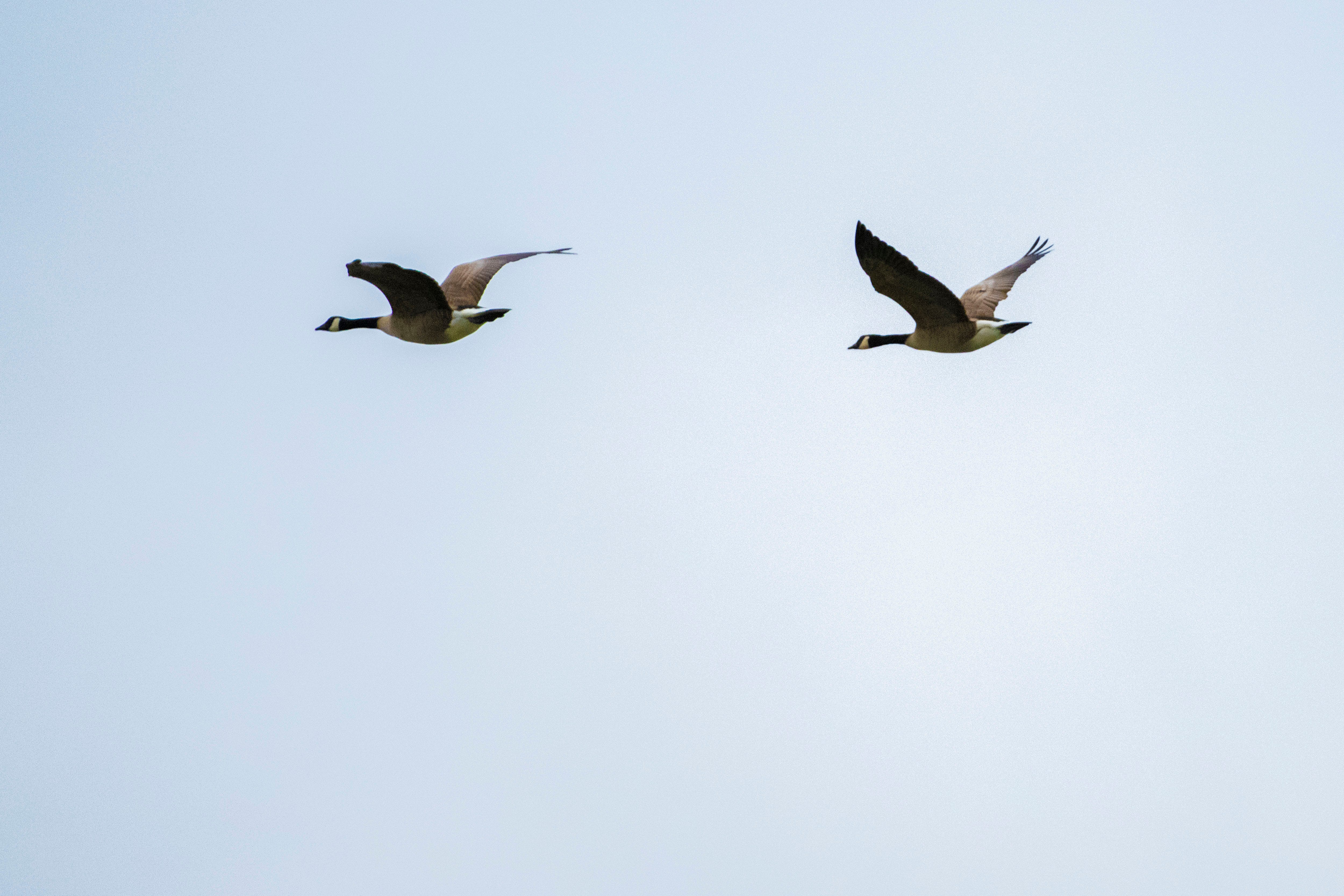
Confession: I never tire of watching Canada geese en route. Down on the ground, it’s a different deal. (See crows, Pearl District.) I photographed these two geese just north of the Albers Mill building flying northwest over the Willamette River. Friendly human-caused conditions on the ground—such as milder weather, golf courses and parks with plentiful year-ground grass—have led some flocks of Canada geese to abandon their historical migration routes and remain in the Pacific Northwest. But those that migrate can cover vast distances — as much 3,000 miles each way, often flying in distinctive V-formations for aerodynamic efficiency. Studies have shown a bird flying in formation this way can use 15% less energy. (Geek stuff: 400mm / f4.5 / 3200th / ISO7200)
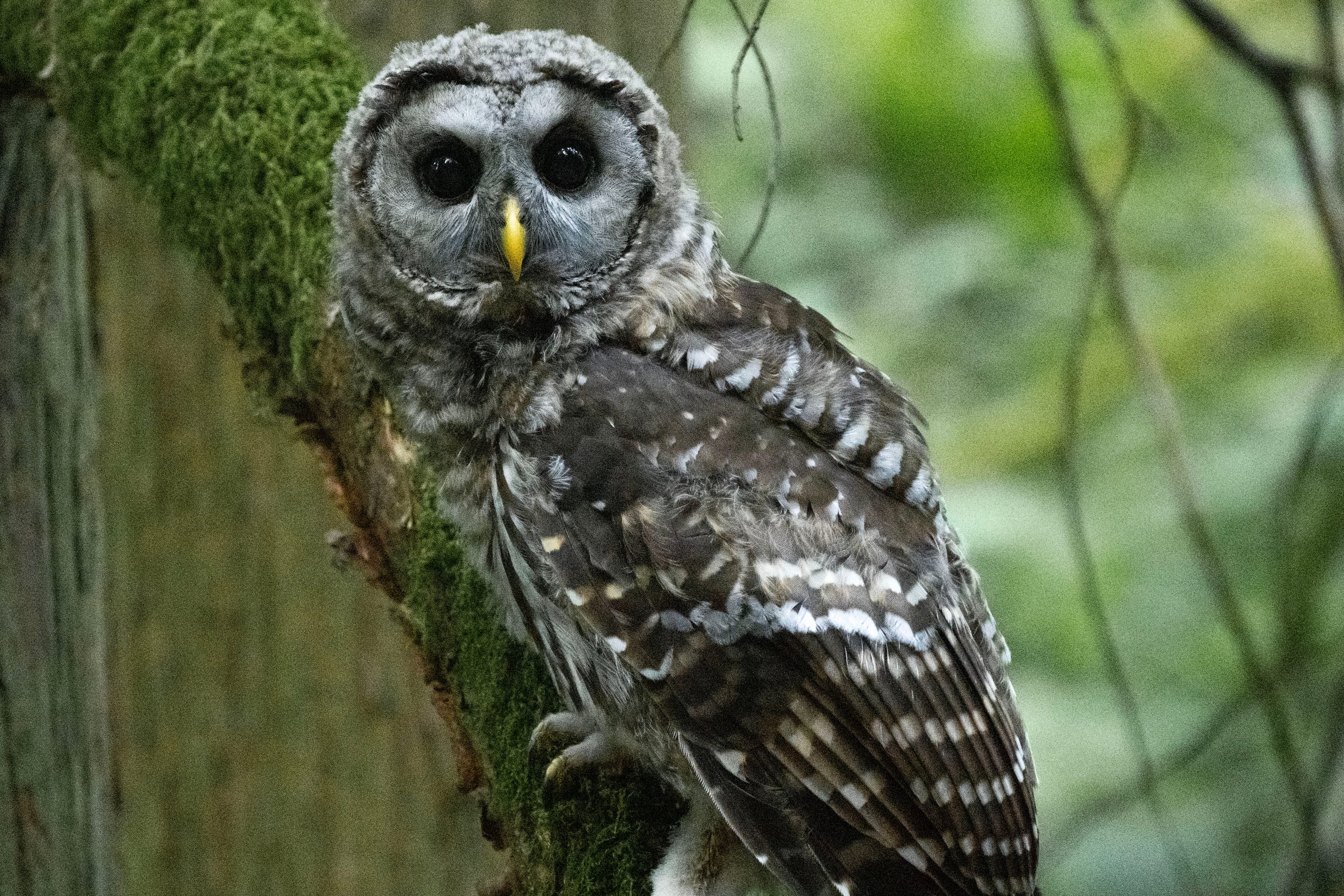
I photographed this especially handsome barred owl in Macleay Park, just a short distance downhill from the Hoyt Arboretum Visitor Center. A moment after I took this photo, the owl swooped down past me, grabbed in its talons a hapless small bird from the forest floor and returned to its perch to tear apart and enjoy its fresh meal, eventually spitting out a pair of yellowish feet.
For related photographs, feel free to visit the “Natural World” and other sections at www.waldenkirsch.com
Your photos are AMAZING. Holy moly! What a treat!!!
Great photos. Thanks for reminding me that we are just one of many millions of species calling this planet home. We kinda muscle in and take over, but it is nice to see the visible wildlife surviving around us. The crows may be commenting on our conservation methods. Thanks Walden. You brighten my day.