


Introduction
In my years as a part-time theater artist, I have had the fortune of juggling careers in banking, commercial real estate management and development, commercial leasing and residential home sales. It’s an odd juxtaposition of skills and experiences, ranging from music composition, arrangement, production and film scoring to double entry bookkeeping, analyzing financial statements, ad-copy writing, telemarketing and direct sales.
I occasionally draw opinions about the failing health of the local performing arts industry. With the city proposing a new public theater on the Portland State University campus, there is a need for honest assessment of the existing market and how the city manages its current venues. Over a series of commentaries, I will offer a sober look at the local business realties of this changing industry.
Part I —The Keller Auditorium
My earliest interest in this subject was the city’s urban renewal changes of the Civic Auditorium in the late ‘60s and continued following the city acquisition of the old Paramount Theater, its conversion into the Schnitzer Concert Hall and the subsequent construction of Antoinette Hatfield Hall housing the Newmark, Winningstad and Brunish theaters.
It is vital to understand that the city has a history of building things not by market need but in the hope that, once built, the market will materialize and make them financially stable. I know from conversation with fellow artists and with former City Commissioner Mildred Schwab, that the City Council’s intention to build was with the assumption that availability would attract rental use regardless of the lack of demand for same.
The Hatfield Hall complex opened in 1987 and struggled financially for two years before the city turned over management to Metro. Metro was able to stabilize these properties financially by putting them all under a single accounting umbrella with properties like the Portland Expo Center (which Metro states needs a current long-term plan for financial sustainability) and the Oregon Convention Center. Simply put, the success of one would aid the losses of others, the tide raising all boats. This history, were it well-known, ought to encourage voters to look more closely at city proposals to create new theaters where no market need is warranted.
In 2025, Metro chose to divest management of Portland’5, with control reverting to the city in summer 2027. The press release did not emphasize that profit and loss will be separated from Metro’s broader umbrella. With that loss, the city must now prepare to manage these with more financial success than ever. In preparation for this transfer, a Performing Arts Venues Workgroup and a “Future of Portland’5” team were formed, emphasizing three goals: expand usage to increase revenue, strengthen engagement with local arts groups, and improve booking policies. It is fair to extrapolate that these three objectives, the very first in their list, recognize the Workgroup’s concern for Portland’5 income and financial stability.
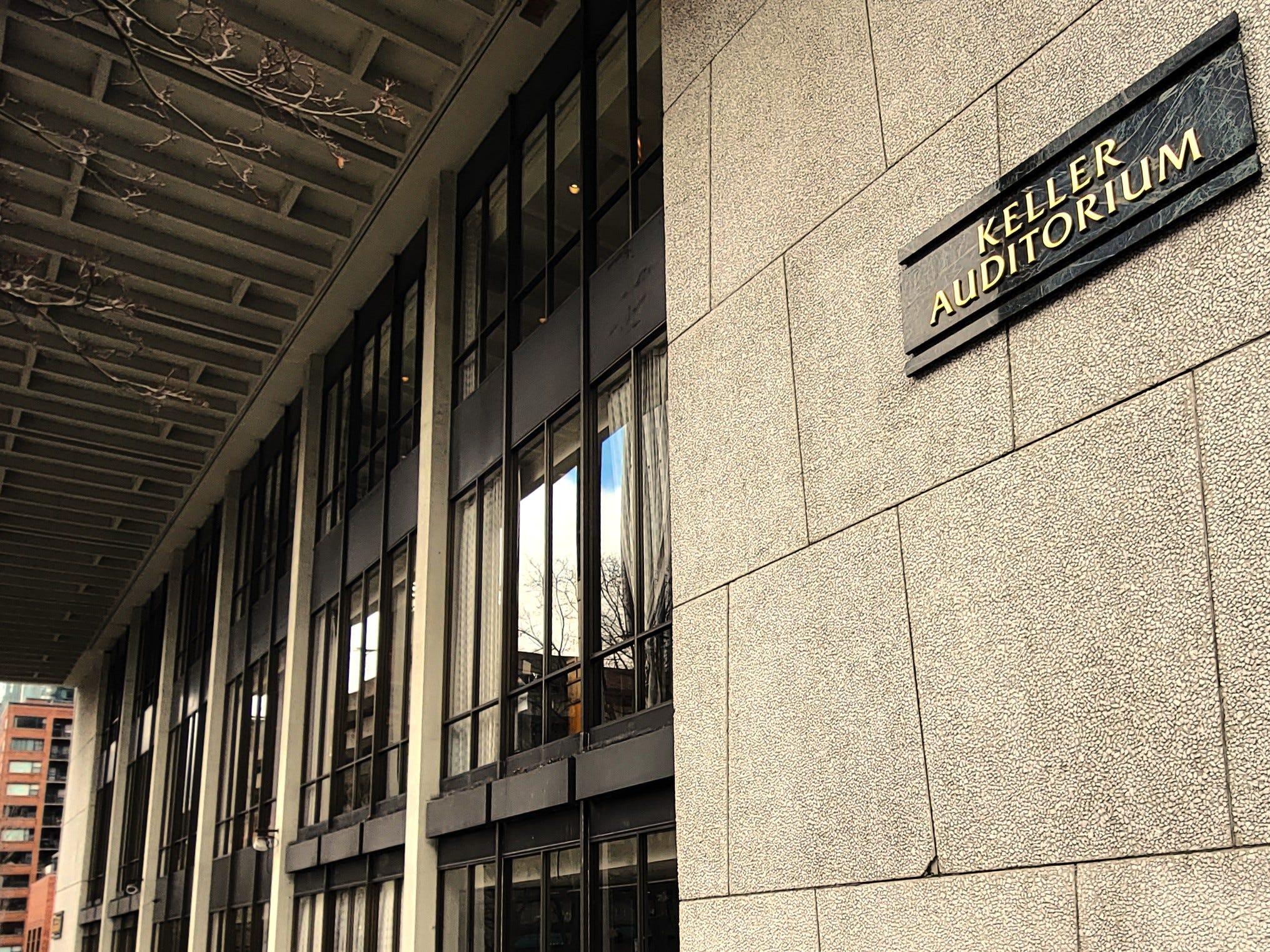
The Keller dilemma
The 3,000-seat Keller depends on large-scale productions requiring high gross revenues. Over the next four months, it lists four single-night events, two multi-night events (totaling nine booked days out of 120), plus six Broadway bus-and-truck musicals. That totals about 40 performance days, with additional move-in/move-out rental days. It is the busiest Portland’5 venue—but largely because of a single anchor tenant: Broadway Across America. Without that tenant, the building would sit empty roughly 80–85% of the year and become bankrupt. That’s worrisome. What happens to rental viability of the property if they were to lose that one anchor client?
The Keller also faces a proposed two-year closure for retrofit. During that time, it risks losing Broadway Across America unless another suitable venue is provided. This likely drives the recent proposal for a new 3,000-seat theater on the PSU campus.
In summary, consider that the Keller, actually the most actively used of the Portland’5 properties, currently operates successfully thanks to the whim of a single anchor tenant, who, if gone, would bankrupt the property. At the same time, due to age and wear, the property needs to shut down operation for two years and certainly doesn’t want to lose their primary anchor tenant’s business. So there is a scramble to bridge that period with an all-new theater on the PSU campus—a capital investment made by the public to create a property serving the university.
This is the same city, in the absence of having the power to require employees return to the workplace, that operates properties owned and leased for the benefit of a largely absent staff; operating with all associated lease, utility and insurance costs for buildings getting little usage and properties owned that have little reason to remain on the city books—that could be sold as non or underperforming real assets. This existing practice certainly suggests that the city prefers to own properties that cannot turn a profit (to pay for themselves or pay for needed retrofits) and doesn’t care how much drain they are. And now, they will be taking back management of the Portland’5.
More to come—in the next installment.
Part I - THE KELLER AUDITORIUM
Part II - THE ARLENE SCHNITZER CONCERT HALL
Part III - THE NEWMARK THEATER
Part IV - WINNINGSTAD AND BRUNISH THEATERS
Part V – LIVE NATION AND AEG PRESENTS
Time to prioritize. Performing arts are losing audiences nationwide. Portland has enough White Elephants and has decided to go all in on....wait for it....the NBA and Tri-Met, our boondoggle all-gender traveling public toilet.
Use the money for road repairs...and not for anymore GD bike lanes. It's time to be boring and rational again. Like Mildred Schwab.
Thank you Kurt. You are a wealth of information and willing to share. We have District 3 and 4 elections coming up along with County Chair and Metro president, all key positions if you care about Portland’s future, especially Downtown. We need to start educating voters why and pressure politicians into forging a transparent strategy to bring Portland back. It will require tough choices. People are leaving, not coming. Thanks for the NW Examiner for starting the conversation. Let’s see if the Oregonian and WW and others pick it up. Maybe Tina will pay more attention.