


May is ‘50s month. Brando. Fonda. Lana Turner. Eva Saint Marie, to name a few of the great actors you will see. Even Leonard Nimoy in a bit part. And some of the best directors in the history of film: Kazan. Minnelli. Fellini. Lumet.
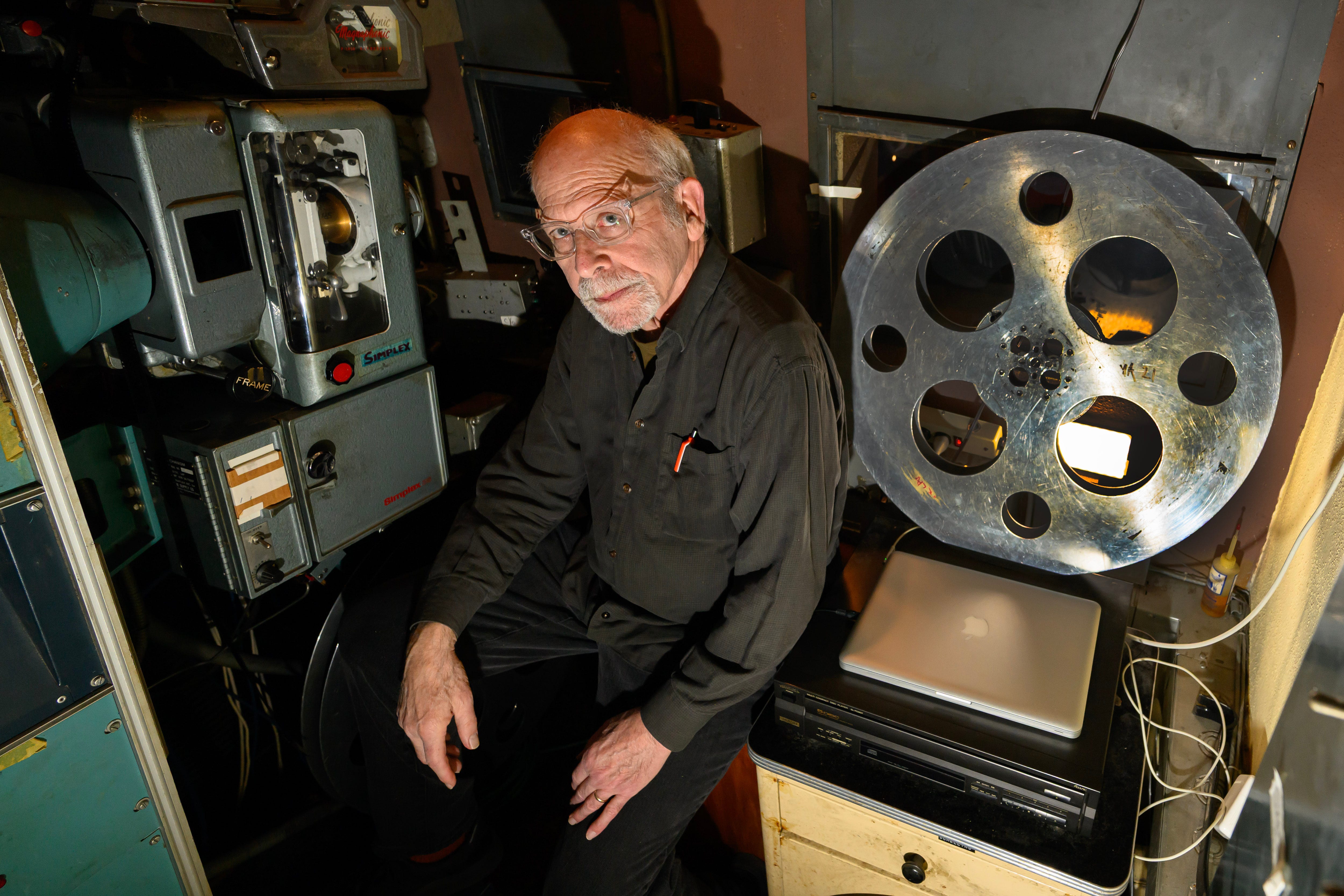
This is our monthly look at coming attractions for Cinema 21’s Saturday Morning Classics. Film programmer Elliot Lavine selects a theme every month, and we let you know what’s coming to the big screen at our iconic neighborhood theater at 616 NW 21st Ave.
To purchase advance tickets for the Saturday Morning Film Classics series, visit Cinema 21. All showings in the Saturday Morning series are at 11 a.m.
This May, Lavine takes us back to the 1950s. More and more films at that time were coming out in color—to compete with that new box in the living room, called television —but color films didn’t outnumber black and whites until midway through the decade. Lavine chose all black and white films for us this May. And these five films reflect popular trends and growing concerns of that era: the meaning of justice, McCarthyism, the labor movement, the mob and the Cold War fear of the bomb and nuclear annihilation. (You think times are tough now?)
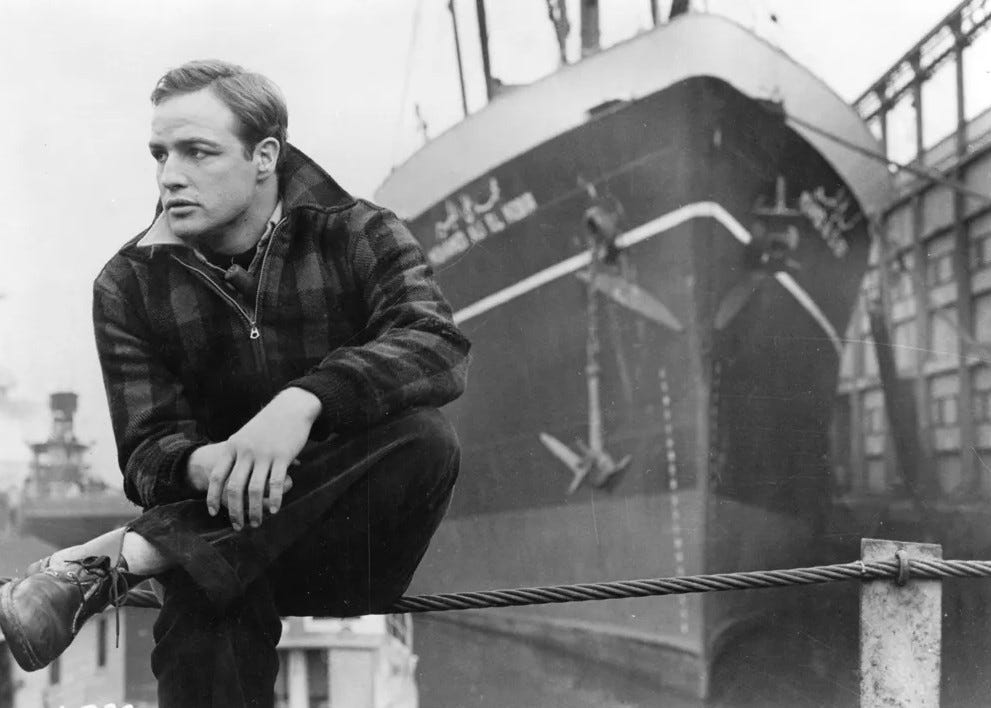
Lavine says “On The Waterfront” was one of the most influential films of the 1950s. Director Elia Kazan had a revolutionary way of working with actors. He wanted raw, emotional realism. Marlon Brando gave him that. There is no one like Brando when he bemoans his fate in just six words: “I could have been a contender.” It is a line of loss and regret and is considered one of the most famous lines in American cinema.
And as magnificent as Brando and Eva Marie Saint and the other actors are in “On The Waterfront,” Lavine says the film also showed that Hollywood could tackle serious social issues. After all, a dockworker (Brando) becomes a single voice against union corruption.
Director Elia Kazan himself was a singular voice when in 1952 he named names: calling out fellow Communists in Hollywood before the House Un-American Activities Committee. (Kazan himself had been a member of the Communist party in the 1930s. But by the 1950s, Kazan claimed the party was no longer truthful and needed to be exposed.) Many in Hollywood never forgave Kazan. Others said you couldn’t ignore his greatness. Also great, the score by Leonard Bernstein that according to Lavine, makes all the film’s “images resonate even louder.”
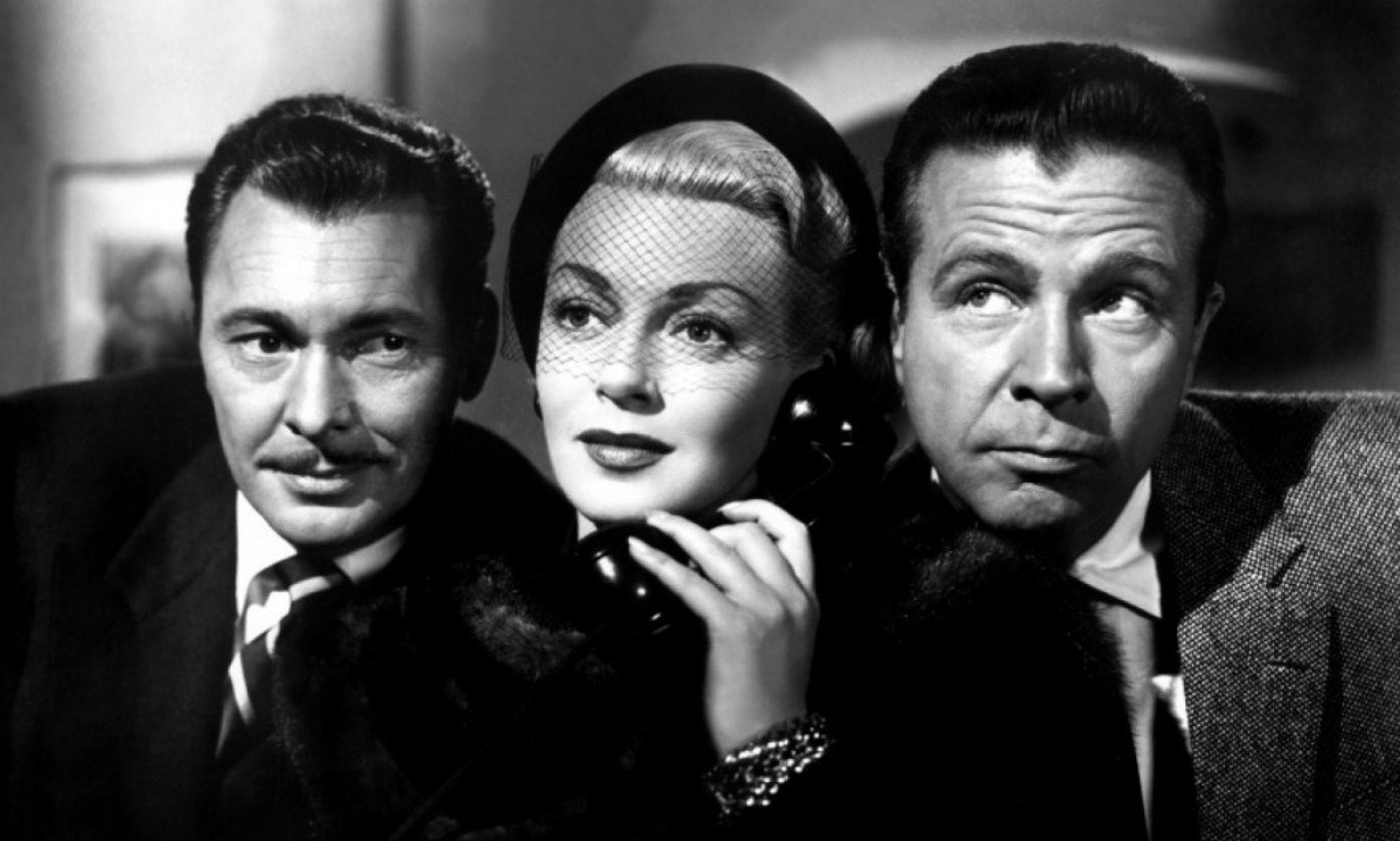
Mel-Oh-Drama! And if the movie title—“The Bad and the Beautiful”—sounds awfully close to the title of a current popular TV soap opera, well the two are not related. (Though both are populated by the beautiful and the handsome.) The film stars Lana Turner and Kirk Douglas. Lavine says it is “one of the great Hollywood-on-Hollywood melodramas.” Kirk Douglas plays a tyrannical film producer who betrayed those he worked with but now needs them to make a new film. Which tells you this is going to be a film about ruthless ambition, deception, treachery and bitterness.
Director Vincente Minnelli tells the story in a series of flashbacks. Reviewers praised Minnelli for showing both the glamorous side of movie-making and the ugly side.
Lavine praises Minnelli not just for this film, but as a director who could make a great film of almost any genre: musicals, comedy and drama.
Favorite line from the film: “There are no great men, buster! There’s only men!”

”Nights of Cabiria” is Lavine’s favorite Fellini film, and that’s saying a lot, considering the competition: La Strada,” “Amarcord” and “8 1/2,” to name just a few. Lavine calls “Nights of Cabiria” Fellini’s most “human film, one bursting with energy and hope in every single beautiful frame.”
“Nights of Cabiria” stars Fellini’s wife, Giulietta Masina in the title role. Masina plays a “free-spirited street walker ... who lives an unapologetic life, free from societal concerns as she navigates a difficult and complicated life in mid-century Rome.”
It is both comedy and tragedy. Cabiria wants a better life for herself, and Fellini follows her through a series of misfortunes—but she always picks herself back up.
Masina’s performance has been called one of the best female performances in movie history.
It was amazing this film even got made in the 1950s. At first, Fellini couldn’t find anyone to finance a film with a sex worker as heroine. Finally, producer Dino de Laurentis agreed to put up the money.
The score is by Fellini’s composer-of-choice Nino Rota, so you know it must be great!
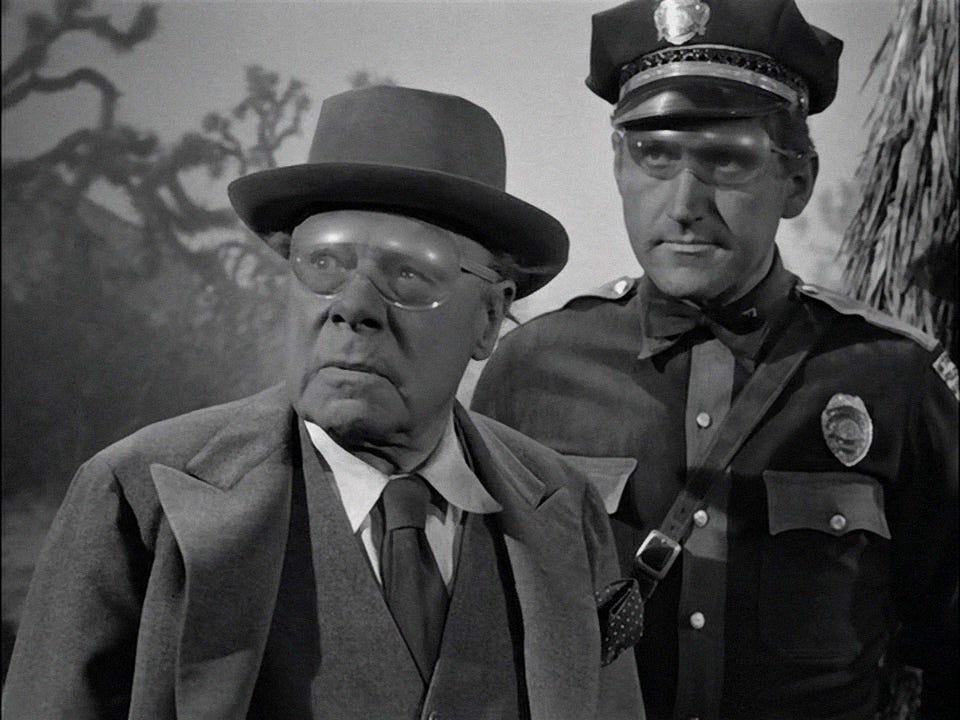
“Them” is the film Lavine calls a must-see for every film lover in Portland. It is also the film that first sparked Lavine’s own interest in cinema when he saw it as a young boy. He had seen films before: “Bambi,” which he called “traumatic,” and Danny Kaye’s “Hans Christian Andersen,” which the young Lavine found “boring.”
But “Them” was another story. Other children may have hidden their eyes, but Lavine says he “was filled with an exhilarating thrill” watching the scary movie monsters.
And Lavine has never stopped watching “Them.” When I asked him how many times, he’d seen the film, he guessed more than 100. He calls it a science fiction-horror classic, an unusual thriller, not your usual ‘50s film: “It’s a sharply directed, brilliantly written cautionary tale aimed at the concerns facing those living in the New Nuclear Age.” The plot centers around a nest of giant irradiated ants that could take over the earth, meaning mankind would no longer be the dominant species. Sad.
The cast includes James Whitmore and James Arness. Leonard Nimoy has an uncredited role.
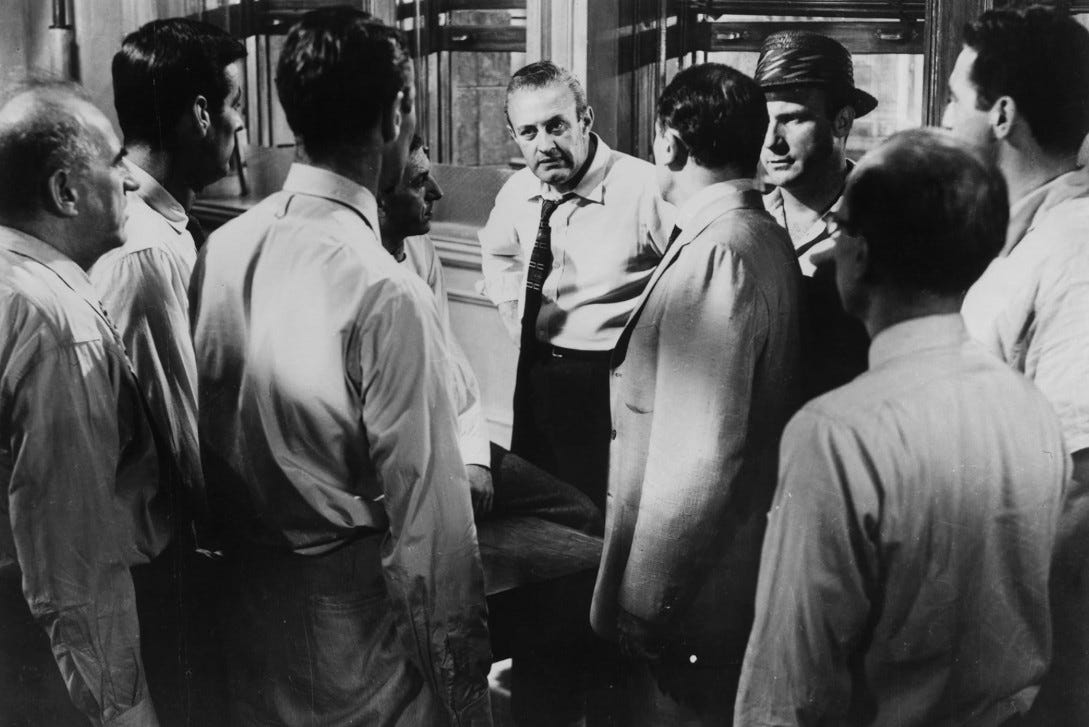
“12 Angry Men” is intense and it all takes place in a jury room where 12 men (yes, 12 white men) are deciding the fate of an 18-year-old accused of murder. If he’s found guilty, he goes to the electric chair.
It is, according to Lavine, a “terrific and ambitiously experimental piece of filmmaking.” It takes place on a single set. The opening shot runs for seven uncut minutes!
The cinematographer plays with unusual camera angles and a variety of super wide and super tight shots. The film starts above eye-level and is shot with a wide-angle lens. But the camera lowers and the shots grow gradually tighter during the movie, so that by the end, you see these 12 angry men up close. You also feel the tension among the jurors in what now appears to be a claustrophobic room.
Lavine says the actors are all brilliant including Henry Fonda, Lee J. Cobb, Martin Balsam, Ed Begley, Jack Klugman and Jack Warden.
“12 Angry Men” is a plea for tolerance and understanding, and Lavine says it is also a civics lesson—most Americans likely had no idea what went on in a jury room. Maybe they still don’t?