


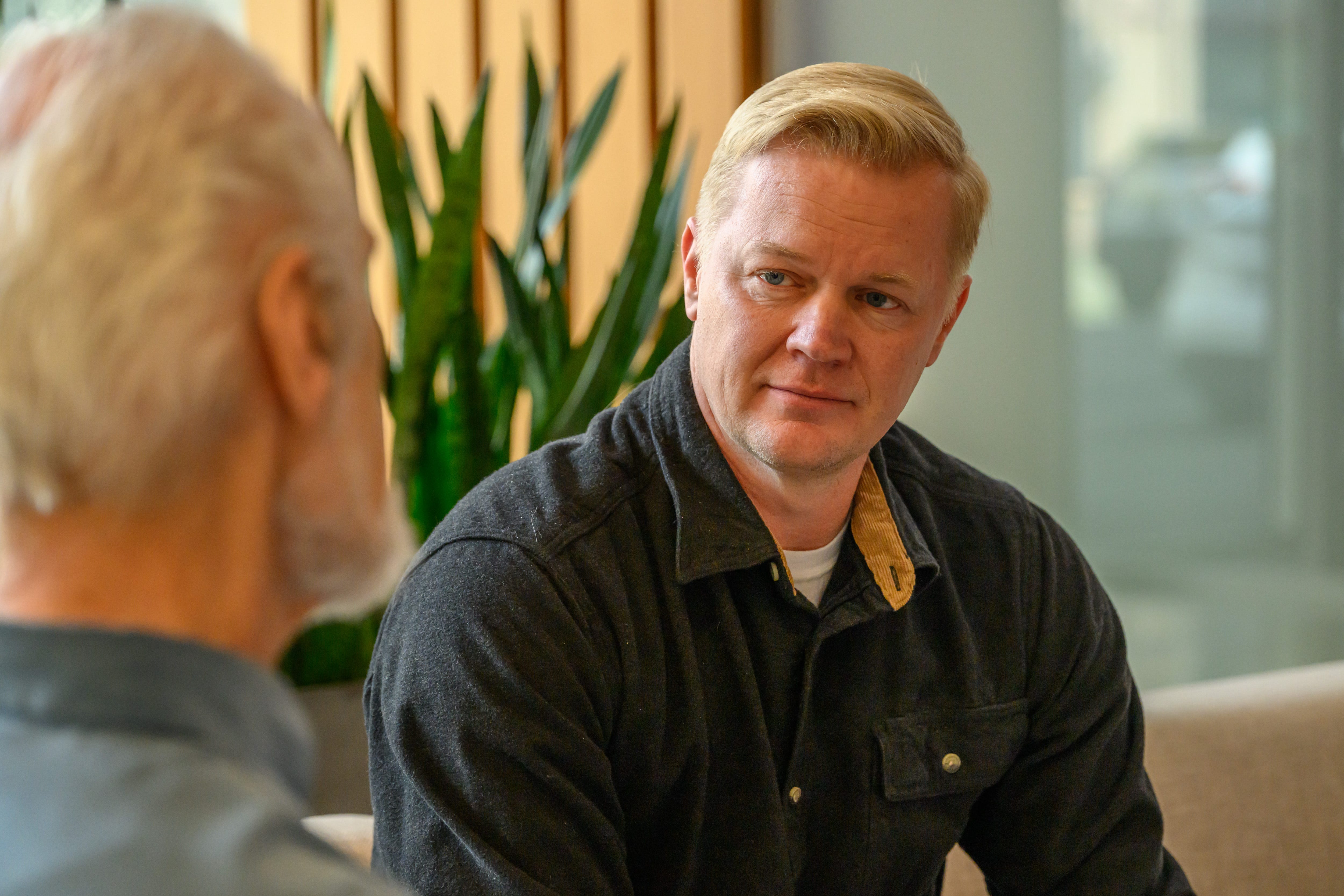
Only in Portland could an ex-military man and current cop also be a Bernie Sanders supporter.
Eli Arnold, who narrowly missed election two years ago, defies easy categorization. A sunny dispositioned Central District bike cop, he seeks practical solutions to the city’s problems, not global ideological forays. He was also chosen as a delegate for Sen. Sanders in the 2016 Washington primaries, and he says he still likes the Vermont socialist.
Arnold flew a Blackhawk helicopter for the Army in Afghanistan, but his fondest memory from his military service was running a community garden while stationed in Georgia.
“I helped start a neighborhood garden in the very poor neighborhood I lived in,” he said at his campaign kickoff in January. “People showed up. They took responsibility. We got to know each other. We were instantly on the same team. When I came home, building a stronger community is want I wanted to work on.
“It was an amazing experience and I wanted more of it, so I left the Army, returned to Portland and became a police officer,” he said.
He has lived in Sellwood since 2016.
Arnold shared his thoughts on the current race with the NW Examiner on Feb. 25. The dialogue has been edited for brevity and clarity.
What did you learn from your defeat in 2024?
I learned a lot about campaigning. It’s just about reaching the largest audience possible, and that election was terribly crowded, 30 candidates and coming from a position without a lot of connections or political background. It was a lot to overcome. What I’m hoping for this time is a lot fewer candidates, a better chance for the public to really dive deep on each one and to build on the network and connections I made last time.
(Arnold said he had 196 donors at this point in the race in 2024. This year he has 450.)
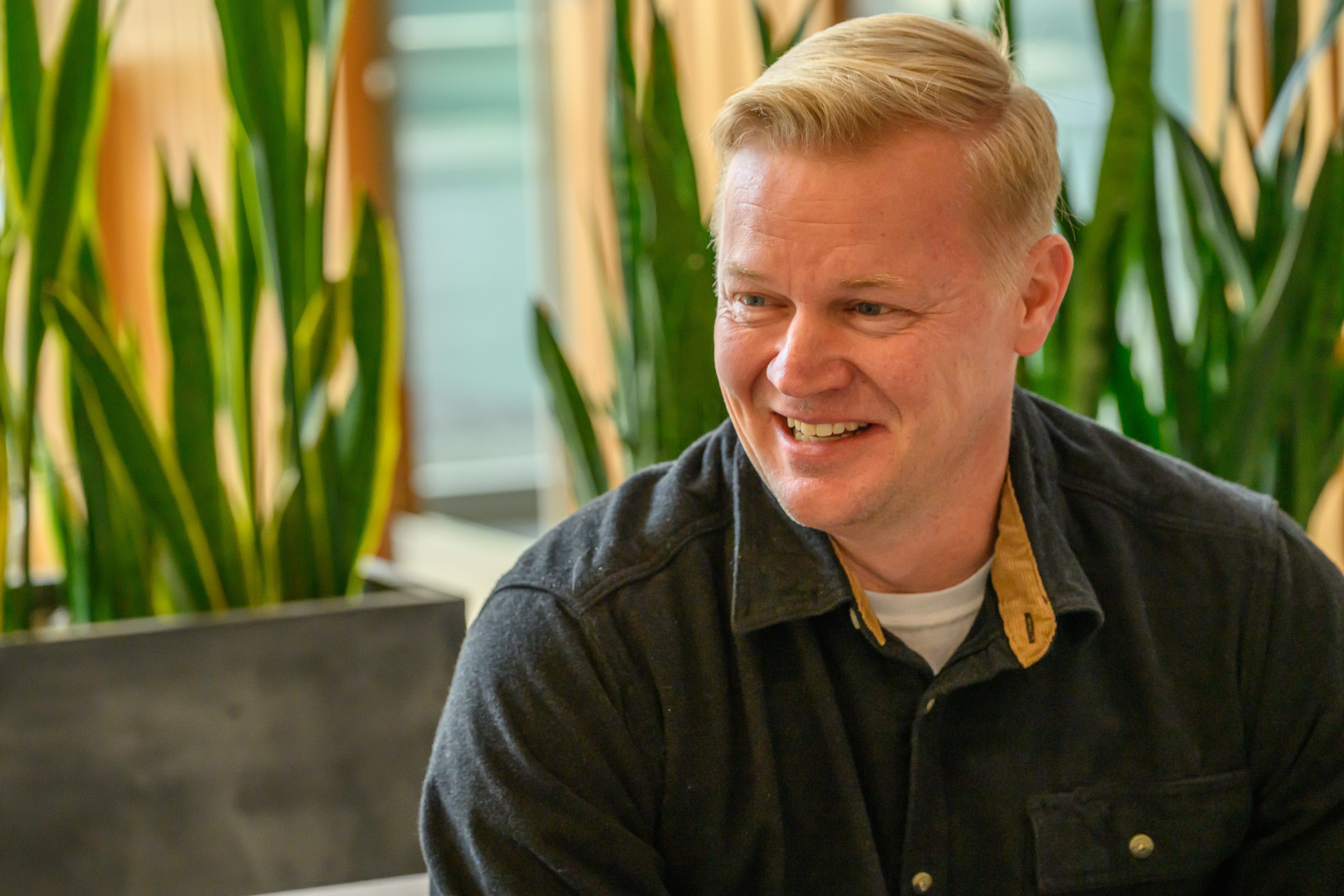
“I helped start a neighborhood garden in the very poor neighborhood I lived in … People showed up. They took responsibility. We were instantly on the same team. When I came home, building a stronger community is want I wanted to work on.”
Were you seen as the “cop candidate”?
I think I was. It was both a help and a hindrance. A help for people whose primary concerns were public safety, public drug use, things like that. On the other hand, I think people had a lot of assumptions about what police officers must believe and who they are and what they believe.
One of the big challenges is moving beyond that and showing that my range of views and opinions is much broader than what you might expect.
I didn’t become a police officer until I was 37 years old. I’d already been elected a Bernie Sanders delegate. I’d already had a whole first career, had children.
It’s taught me a lot about the city and local needs. But it’s not my identity.
What is something Portland is doing wrong?
We don’t act quickly. We’re in a very long downturn. It’s going to mean serious cuts in services. I think that really is the biggest challenge of the moment. … It’s going to require really urgent and meaningful action, which is not something we’ve shown ourselves to be very good at.
How much money does the city need?
I’ve been looking at other city’s budgets for comparison. The first question is, do we have a revenue problem, or do we have a spending problem? So Boston and Denver are both larger cities than Portland. Both have budgets of around $4.6 billion. Our budget is about $8 billion. How are they managing to deliver services with 60% of the funds?
I think that’s a big question that needs a deep bureau-by-bureau look.
You’ve talked about working with communities at the grass-roots level.
The community health and sense of well-being is something that is effectively tackled from the bottom, so being committed to a place where people around you have a feeling of safety, being welcome and on the same team, it contributes so much. That’s something that government can’t give you. Now issues like energy policy and economic policy … require that we work at larger scales.
One of Portland’s struggles is that we often look at issues as if we’re operating in a vacuum. We’re not looking at the context of what neighboring communities are offering.
Has being a candidate made you a better cop?
Truthfully, I feel like working as a police officer made me a better candidate, and it’s because it got me connected to the issues. It got me talking to people about what they were struggling with … and looking for ways that the government apparatus can help. It really humanized all of these things. I think a big problem is that people who work in politics, often they read about this stuff, but they don’t see it up close.
Not one member of the council has actually gone to one of the camp cleanups and attempts to move people into shelter that the mayor has been working on. Being present, talking to all of these people makes a difference. When homelessness isn’t something you see out your car window when you’re on the highway, it’s different. I think that’s really benefited me. Being a candidate helped me engage with a broader community.
Having a real story of what you’ve seen on the ground—it’s different when you know somebody who has died because of policy, you know, by name. I really think government leaders should be seeking out firsthand contact with issues and not just responding to public discussion and trying to massage their way through.
One of the classic sayings in the army is: I wouldn’t ask you to do anything I wouldn’t do.
If you’re voting on camp cleanups or deflection and you’re spending tens of millions of public dollars, you should be willing to go, to be present, to talk to the people involved. I think it provides really useful feedback and helps prevent you from operating in just a theoretical space.
How is the Northrup Street Shelter working out?
We need to have sufficient shelter space: It’s a moral obligation. It’s also a requirement for our being able to able to enforce rules.
That being said, creating the shelters is only step one. We need to be making sure that we’re not causing harm to the community that it’s sited in.
Between city and county, we spend a tremendous amount on outreach, but that outreach often doesn’t actually reach out to people who are … in the middle of a terrible addiction or have untreated schizophrenia or they’re not able to access those systems effectively.
The shelter ought to be an intake point for those connecting to services. I would like to see that outreach move into the shelter. Every time somebody checks in, we ought to be saying, can we take you in the morning to drug treatment? Can we get you to the Old Town Clinic to see about refilling the medications you haven’t been taking? It’s not just about warehousing people but fixing an underlying issue.
What happens to the neighborhood?
When the shelter lets out, you have people who have severe problems released out into the community for the day, and there has to be enforcement of standards. You can’t be using drugs outside. We don’t want people having severe mental episodes on the street. Unfortunately, we’re struggling with enforcement capacity, but we have to improve how we’re handling the areas surrounding the shelters.
The community is doing its part and they’re essentially welcoming these people in. We need to do our part to make sure it’s not spilling out and harming everybody else. Other people deserve to live their lives without stepping over needles, without hearing screaming outside their windows in the middle of the night, without being concerned about their safety.
Hands-off has limits
If somebody in my household had a real drug problem, I wouldn’t just say the nicest thing I can do is be hands-off. If somebody is struggling with untreated mental health problems, I wouldn’t say just leave them alone, let them do what they want. Intervention is kindness. People who are struggling with these issues really need help. It’s a misguided view of compassion.
Do you have a position on the Keller versus Portland State University auditorium?
It would be terrible to lose Keller Auditorium. I don’t want to see a hole created in that neighborhood, so for me, preserving Keller is important.
What has the Peacock caucus done to council politics?
I don’t think people want to see that partisan struggle from national politics brought down to the local level. … I think that’s been to the detriment of the city, particularly when we struggle to deliver services. I think we need to really focus on those basics and find common ground with each other to address real needs: the business environment and taxes and all the rest.
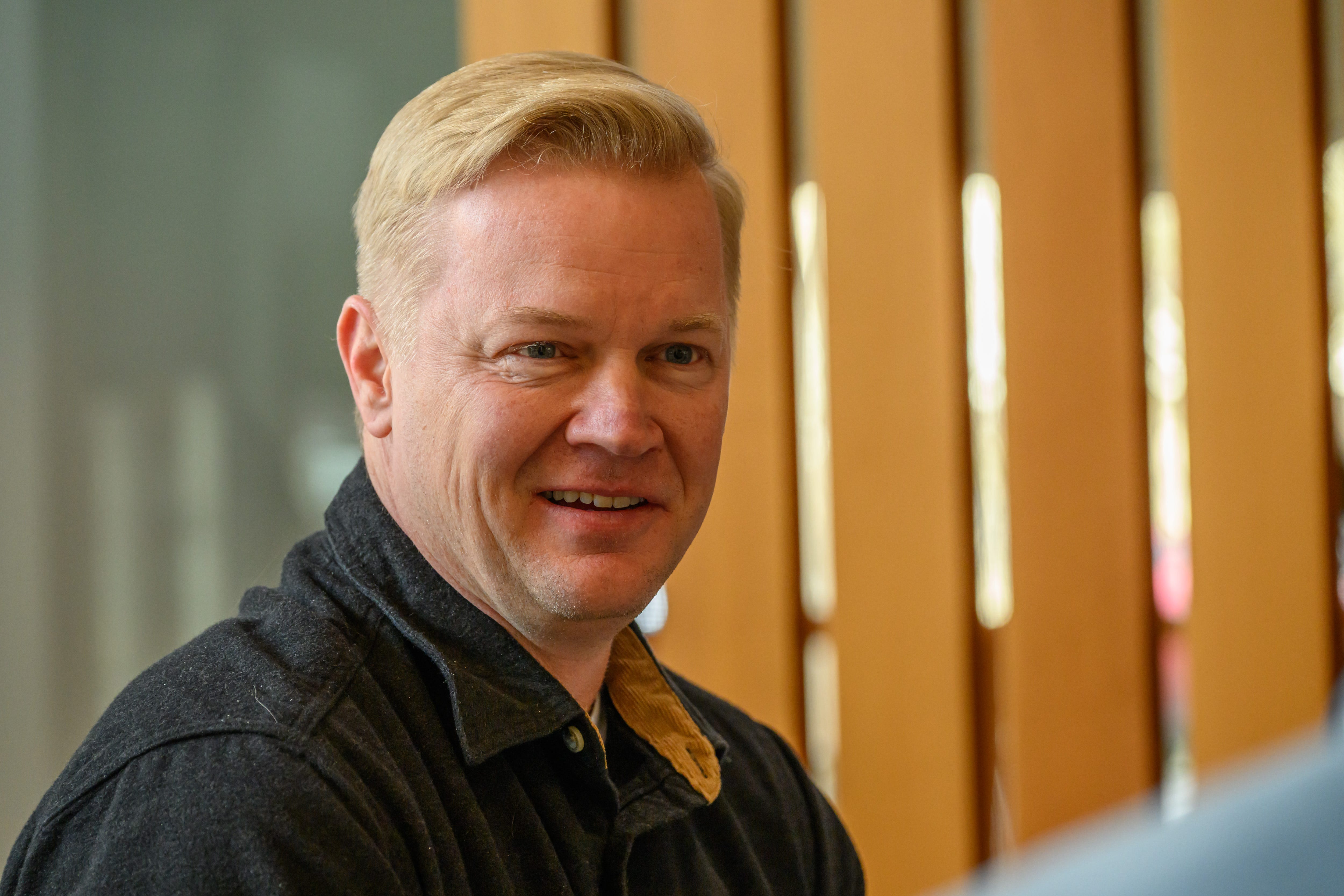
This interview with Eli Arnold shows exactly why I support him — alongside Olivia Clark and Eric Zimmerman, MBA — to represent me, District 4, and all of Portland. And why I think you should as well.
Portland doesn’t need more ideology. We need council members who will represent all their constituents and who will work with all council members- instead of forming caucuses and meeting secretly behind closed doors to advance the Portland DSA agenda.
We need practical solutions to real problems: homelessness, public safety, struggling small businesses, and getting our budget and taxes under control. Oh- and fixing the damn potholes!
If you agree, please consider donating to their campaigns. A $25 contribution from a Portland resident is matched 10-to-1 by the city — turning your gift into $275 for the campaign.
Eli: https://www.eliforportland.com
Olivia: https://www.oliviaforportland.com
Eric: https://ez4pdx.com
I know Eli from interactions with him working on the bike squad downtown, in serious conversations with him about his politics and about the behavioral health crisis Downtown and his support of the bike squads work on a pilot program with Peer Company outreach workers to connect those with psychosis and addiction to an outreach worker when encountering drug use on the streets. He cares about all the stakeholders downtown and about solutions. I respect him greatly as a cop, a public servant with a family who lives in the City despite its reputation for its hostility toward the police. Few police do. It speaks volumes about his compassion. We need more community-oriented cops just like Eli. That said, I supported him for District 4 last time and I will again. I hate to lose his skills on the streets, but his insights on policing and behavioral health from a public safety and resource perspective is sorely needed on the City Council. We need his voice to counter those who just paint all cops and the concept of policing with a broad and negative brush. As a felon and ex addict who lives Downtown, I know we need the kind of policing Eli represents. If we get it, we will help a lot of addicts wasting away on the streets and we will help bring Portland back. Consider this a strong endorsement.