


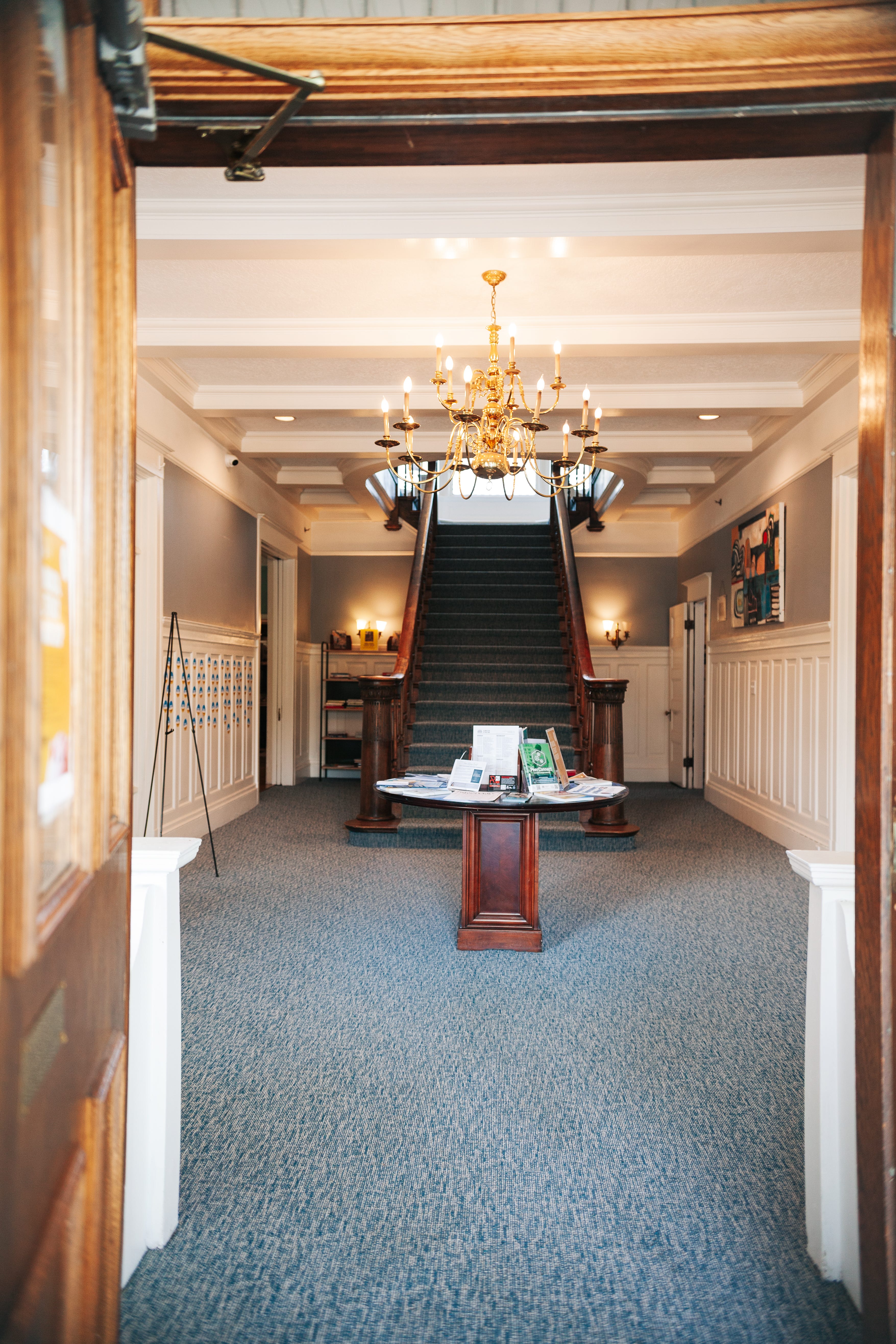
The scent of just-brewed coffee rides the air inside the grand foyer of the Alano Club in Northwest Portland. It’s called Recovery Roast, made in partnership with local roaster Dear Francis, and available free at all meetings. A bifurcated staircase with strong curved banisters leads to the building’s upper floors and landings, where leaded-glass windows shine. It’s safe to say souls find comfort here.
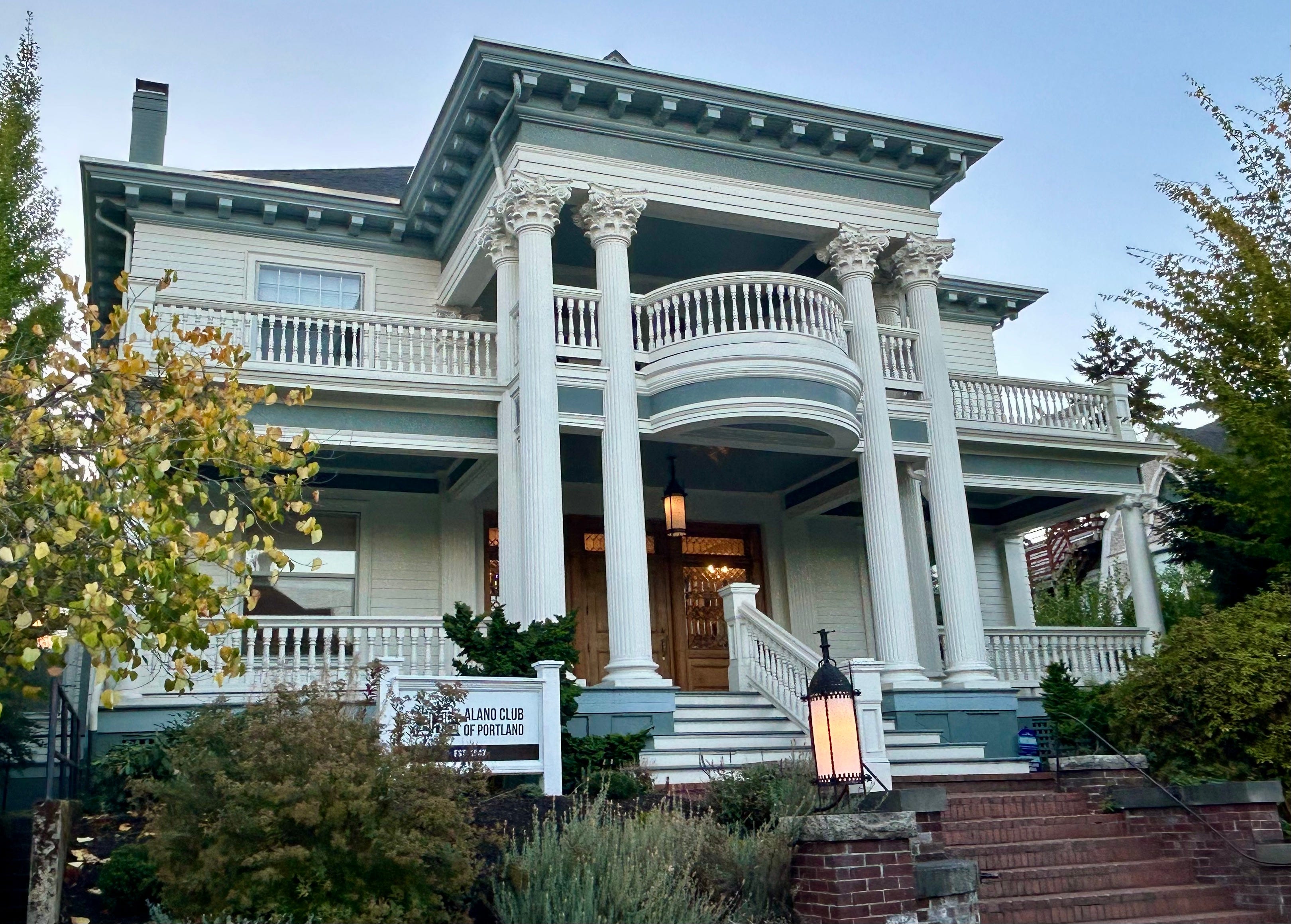
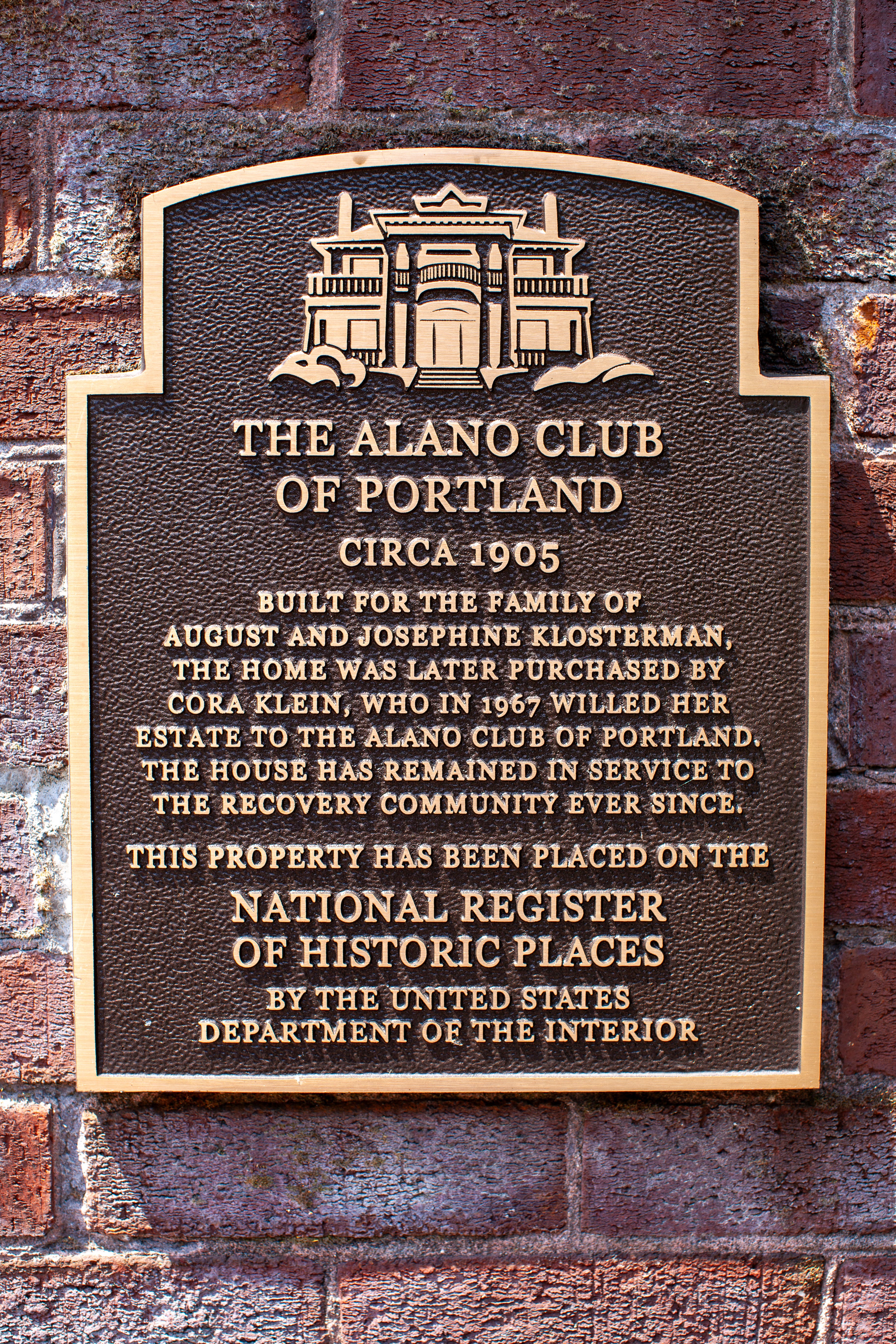
Founded 80 years ago in another part of town, Alano moved to 909 NW 24th Ave. in 1967, after Portlander Cora Klein gifted her estate, and this home, to the organization. Klein lived alone and rented rooms to single women. Not much else is known about her.
This is the nation’s largest Alano Center, serving 10,000 people a month, according to the club. It hosts 12-step meetings, Narcotics Anonymous, an all-recovery meeting, and countless other mutual aid meetings. No matter the theme, each meeting is centered around support and recovery, with most open to anyone who wants to join.
It’s busy with people coming and going, 130 meetings a week are held here. Some start at 6:30 a.m., others as late as 10 p.m. A staff of 22 people, including seven peer mentors oversee a caseload of about 30 people each and their individualized recovery plans. Volunteers set up for events, and do other odd jobs.
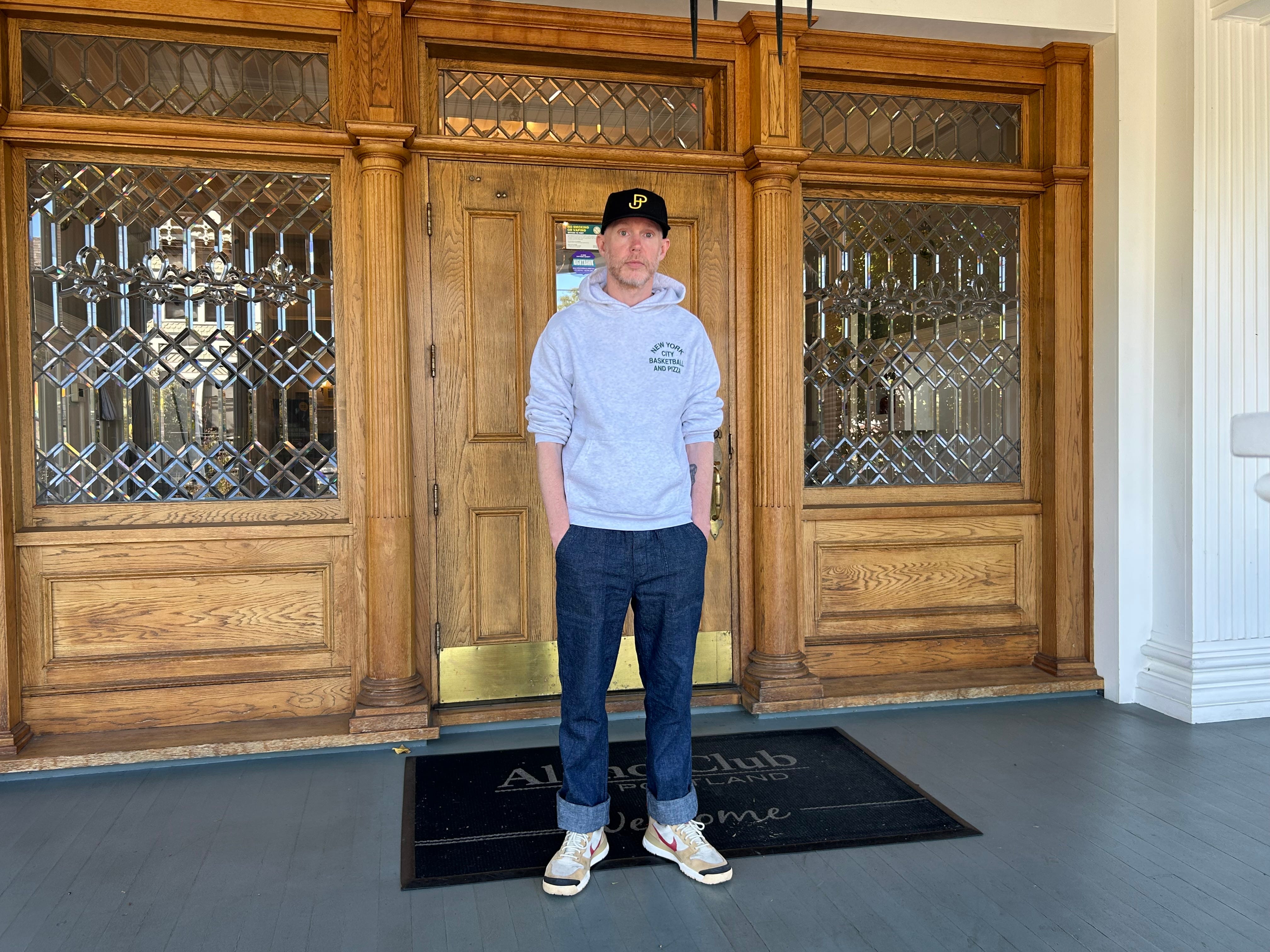
Kasey Anderson became executive director of Alano Club of Portland after the sudden death of Brent Canode in March 2025. In recovery since 2012, Anderson started as a volunteer and worked his way through nearly every job here.
”I feel bad for our staff,” he laughs, “because I’m always saying that there’s nothing that I ask you to do that I haven’t personally done. No amount of cleaning, or whatever work that I haven’t done, or that I’m not still willing to do.”
Alano is funded by federal and state grants, and private donations. Recently, a family member donated money for new carpet in the common areas and new furniture in a room where their loved one spent a lot of time.
Anderson explains that classes are interwoven to address issues that meetings may not, on topics such as legal services, record expungement, and obtaining a GED.
“Many Alano clubs are just rooms where meetings happen,” Anderson said, adding that here a person sees that their lives can be different. “They can find recovery here in a comfortable, beautiful space.”
There are financial workshops, career classes, and fitness and wellness classes at two off-site gyms. That’s not all. There is yoga, meditation, CrossFit and weightlifting. Various arts classes, running groups and walking groups meet here as well.
Many of the national care entities beyond these doors, Anderson says, are a labyrinth of loopholes to navigate. When someone comes in to Alano for the first time, “We say, let me make a call and try to cut through all that and see what we can do. And while you’re here, do you need a meeting, do you want to sit with a mentor, sit in the café?”
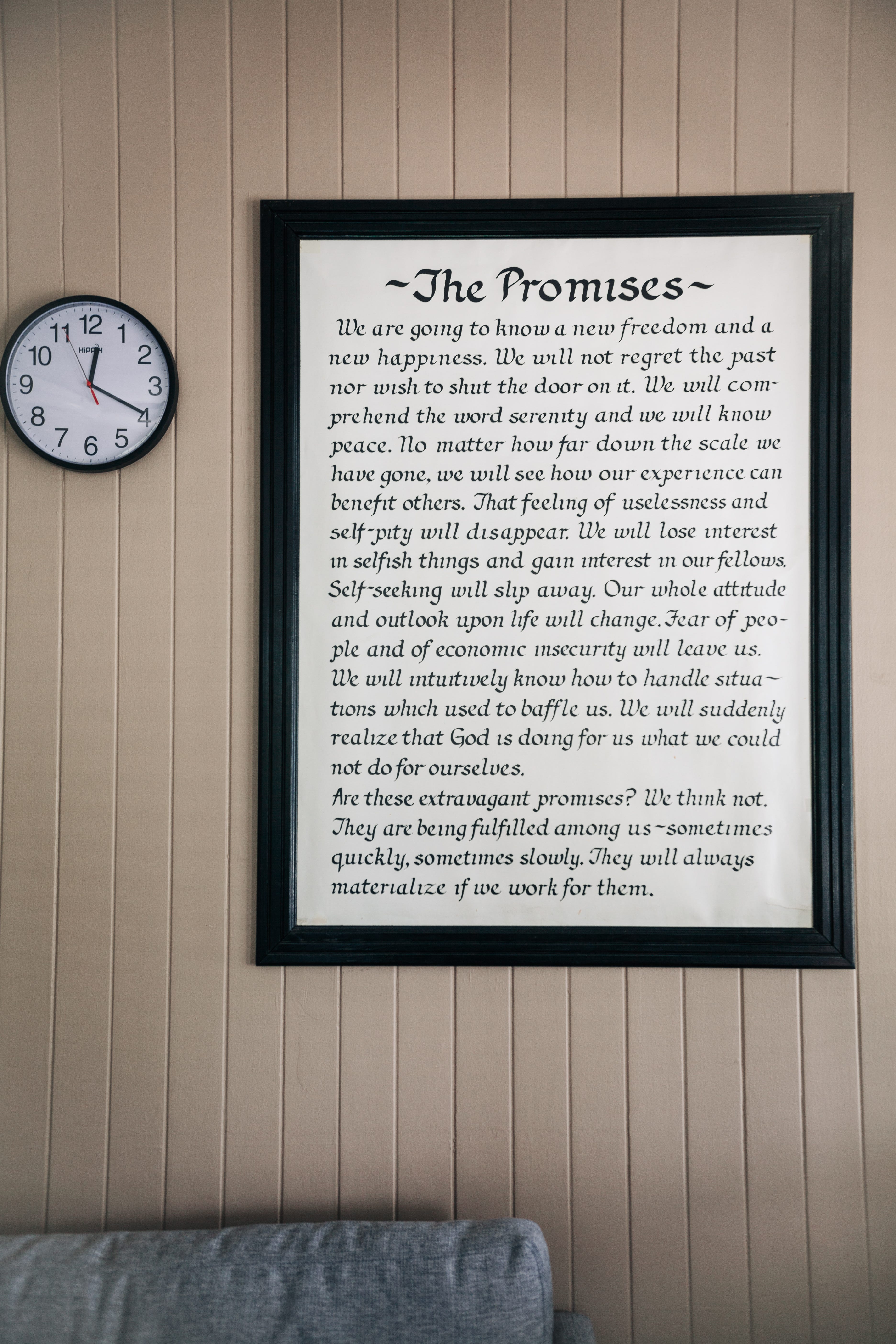
The basement room looks like the dim confession rooms seen in countless movies. A small sign reads, “Well Apparently Rock Bottom Has a Basement.” A young man sweeping among neat rows of chairs says dryly, “we have a sense of humor here.”
Restaurants for Recovery and ProjectRED
Recently, nearly 30 Portland restaurants donated portions of their sales to Alano of Portland as part of Restaurants for Recovery, an annual September program in its fifth year marking National Recovery Month. Specially curated non-alcoholic drinks are highlighted.
‘It’s a way to highlight how prevalent substance use and alcoholism are in the service industry,” Anderson says. Two of Portland’s leading chefs who are vocal about their recovery, Gabriel Rucker (Le Pigeon, Cannard) and Gregory Gourdet (Kaan, Sousól), have forged deep ties to Alano Club, with Gourdet serving on its board.
Alano Club of Portland launched ProjectRED in August 2022. The lifesaving naloxone program grew from the DIY efforts of Ellen Wurship, who gleaned as much naloxone, or narcan, as she could from Alano and then delivered to local bars and restaurants where she knew staff were using.
“Ellen had lost a couple of friends to overdose,” Anderson said. “When I asked what she was doing with it, she said she was walking into bars and giving it to staff and showing them how to use it. I thought that was the coolest thing, that she was doing this on her free time.”
After Anderson wrote a proposal and received funding from a drug policy alliance for naloxone delivery, he offered Wurship a job that could be funded for a year. Meanwhile, he’d been in discussions with the band Pearl Jam, whose guitarist, Mike McCready has been in recovery since 1994, and mentioned the fledgling program. Anderson asked if the band ever wanted narcan their concerts so that people who attended could take the life-saving emergency medicine back to their communities. According to Anderson, a Pearl Jam representative replied, “What about every show?”
“So Ellen’s program went from supplying local bars and restaurants to touring with Pearl Jam in about a week.” Today ProjectRED is the largest nongovernmental Narcan distribution program in the state. Wurship won a Skidmore in 2023 for her work.
In Portland, it often feels like our governmental agencies and support systems around drug use are broken.
“It’s easy to say ‘the state needs to do better’ and to find a scapegoat,” Anderson said. “But I work with many people at OHA who care very, very much about this, and can only do what they can do. The people I work with at the county are incredibly passionate, incredibly thoughtful, and are doing their level best to make sure people have the resources they need.”
No one is turned away.
“Everyone of us who works here has been there,” he said. “It could have been us. So we say, ‘Come in, we’ve been waiting. You’re welcome here.’ It’s very rare that we ask someone to leave the facility. It’s more like, ‘Hey, it doesn’t seem like this is the right space for you today. Why don’t we try tomorrow, and see how tomorrow goes? It’s not going to work out today, but we’d love to see you tomorrow.”
Anderson’s favorite book that touches on themes of recovery is “Martyr!” by the Iranian-American writer Kaveh Akbar. Anderson first met Akbar in an online basketball forum, and Akbar has since joined the Alano board. The book “did a really beautiful job of capturing the nuance of a life in recovery that is not perfect. It’s not the driving narrative of the book, but it captured a character who is trying their best in recovery.”
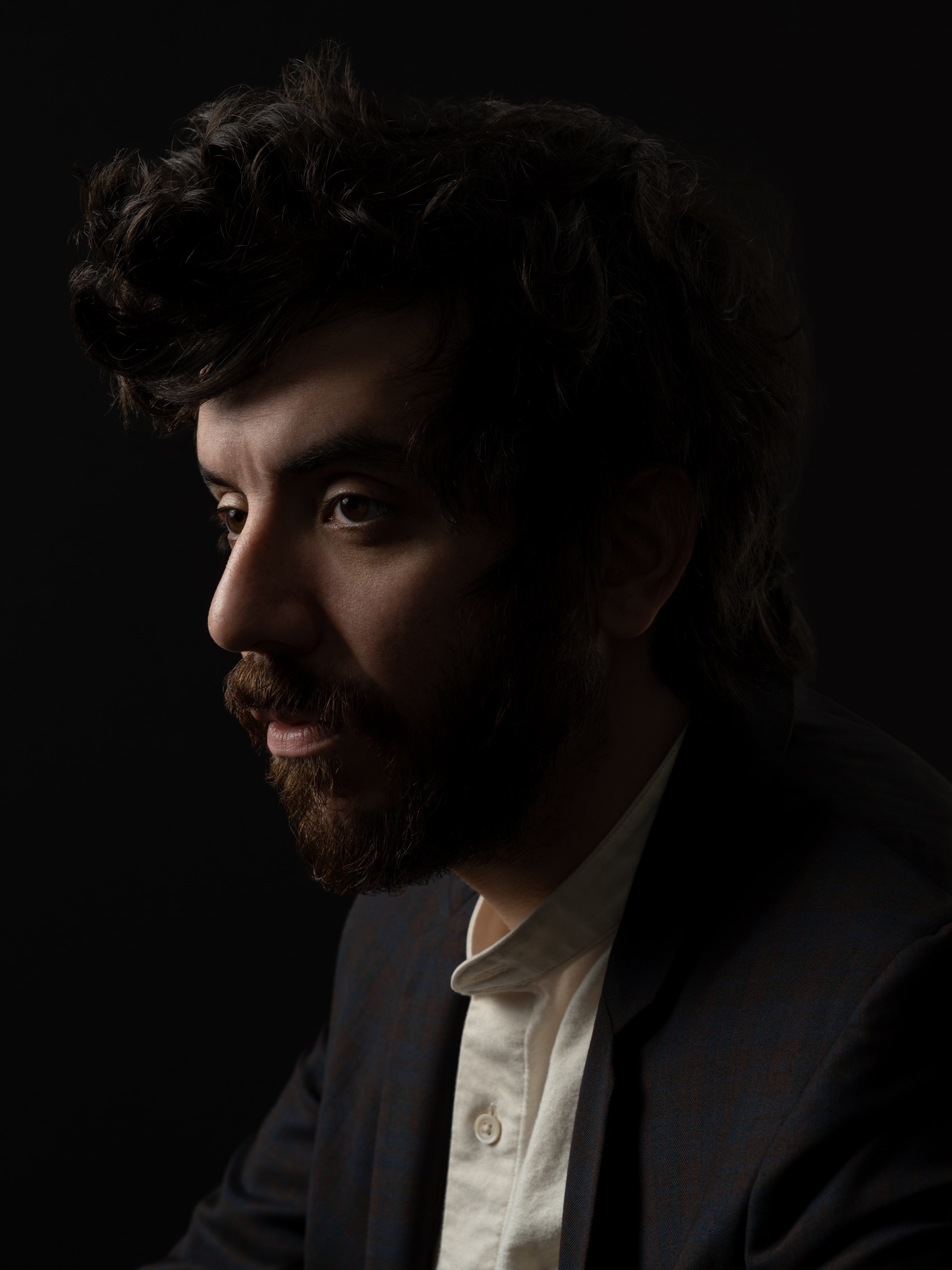
Asked what he’d say to Portlanders distressed about open drug use in their communities, Anderson said, “I’d say what I say to my daughter, who is 5. We live in an area that is party industrial; there are encampments, there’s some drug use. What I say to my kid is these are people who are suffering, and who have needs that are not being met, who either don’t know how to access the care they need or aren’t able to. They’re not interested in hurting you. You don’t go up to them. Same way we tell her that we don’t go up to people we don’t know.”
On Sept. 22, Alano Club of Portland announced that its ProjectRED program had received philanthropic support from Boulder Care, a leading virtual addiction treatment program, and the Vitalogy Foundation, founded by Pearl Jam, allowing the program to continue operating through 2027.
In 2025 ProjectRed distributed more than 13,600 doses of naloxone statewide, including more than 5,600 doses send directly through a partnership with NEXT distribution.
“We’re all deep in the work here,” Anderson said. “And people can come into this space and see so many people whose lives in recovery are really beautiful.”
Very nicely thoroughly reported piece. And it's especially helpful to see a group that is — and has been for a long time — successfully tackling a pressing social issue. So much current coverage of social issues focuses on people whining from the sidelines on what -other- groups are -not- doing. This piece is a breath of fresh air.
Thank you. The Alano Club is in my neighborhood, I walk by it frequently, and nonetheless I had no idea exactly what it was nor how extensive its programs are. Now I do.